
8 Profound Quotes by War Leaders and Their Deep Meanings
Explore the profound lessons and insights behind the words of history's greatest wartime leaders.

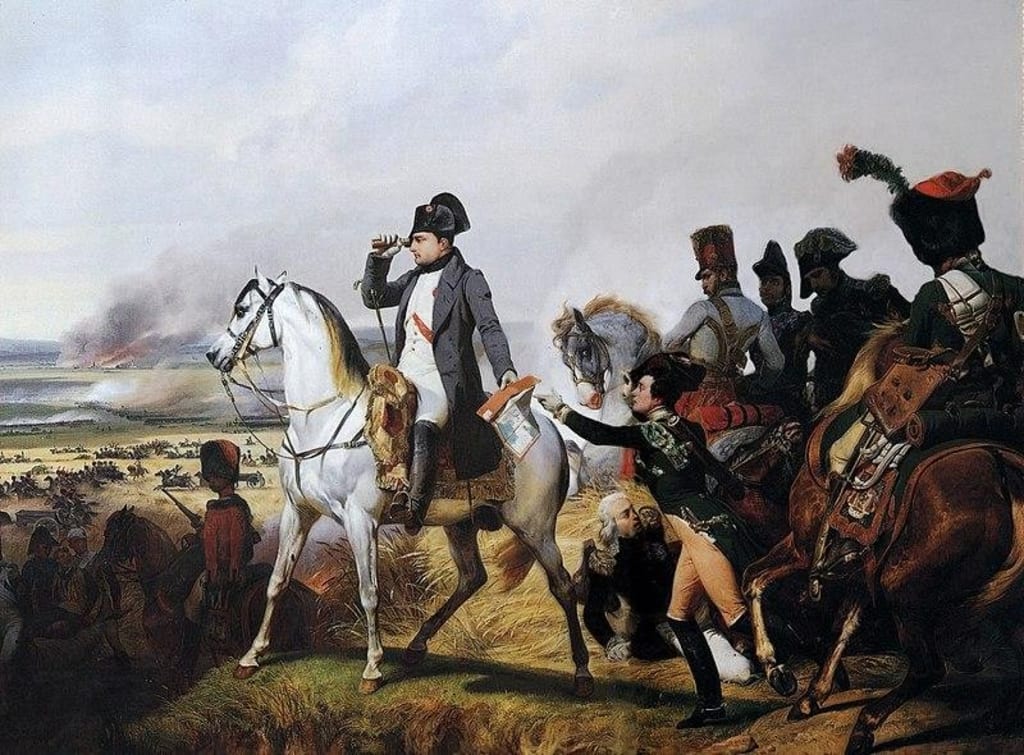
War leaders often rise to prominence during times of great adversity, leaving behind words of wisdom that echo through history. These leaders, hardened by conflict, reflect on courage, resilience, and humanity. Here, we examine eight timeless quotes from war leaders, analyzing their depth and relevance in today’s world.
1. “In war, truth is the first casualty.” – Aeschylus
This quote from the ancient Greek playwright Aeschylus reveals the grim reality of war: propaganda and misinformation often dominate. War distorts facts, replacing them with narratives designed to manipulate public opinion.
Analysis:
Aeschylus’s observation applies not only to ancient battles but also to modern conflicts, where media and information warfare shape perspectives. The lesson here is the importance of questioning narratives and seeking the truth amid chaos.
2. “If everyone is thinking alike, then somebody isn’t thinking.” – George S. Patton
As a World War II general, George S. Patton emphasized the value of individuality in decision-making. Conformity in thought, especially during critical times, can lead to disastrous outcomes.
Analysis:
Patton’s quote is a call for creativity and diverse perspectives. Leaders who encourage open dialogue foster innovation and avoid groupthink—a principle applicable far beyond the battlefield, extending to business, politics, and personal growth.
3. “To be prepared for war is one of the most effective means of preserving peace.” – George Washington
America’s first president highlighted the paradox of peace through strength. By maintaining readiness, a nation deters aggression and promotes stability.
Analysis:
This philosophy underpins modern defense strategies worldwide. It reminds us that preparation and vigilance often prevent escalation, teaching the value of prudence in safeguarding peace.
4. “Never interrupt your enemy when he is making a mistake.” – Napoleon Bonaparte
Napoleon’s words carry a timeless strategic lesson: patience and observation are powerful tools. Sometimes, intervention is unnecessary when an adversary's errors lead to their downfall.
Analysis:
This quote transcends warfare, offering wisdom for life and business. By allowing others to falter, one can conserve energy and resources while gaining a tactical advantage.
5. “The object of war is not to die for your country but to make the other bastard die for his.” – George S. Patton
Patton’s pragmatic and unapologetically blunt statement underscores the harsh realities of warfare. Victory, not sacrifice, is the ultimate goal.
Analysis:
While controversial, this quote highlights the importance of strategy, resourcefulness, and survival in achieving objectives. It’s a reminder to focus on outcomes rather than glorifying unnecessary risks.
6. “War does not determine who is right—only who is left.” – Bertrand Russell
This philosophical observation by Bertrand Russell critiques the futility of war. Regardless of its justification, war often leads to devastating losses on all sides.
Analysis:
Russell’s words resonate in an era of global conflicts. They emphasize the need for diplomacy and peaceful resolution, as war rarely produces moral clarity—only destruction and survivors.
7. “I know not with what weapons World War III will be fought, but World War IV will be fought with sticks and stones.” – Albert Einstein
Einstein’s prophetic words reflect his fear of nuclear annihilation. He warns that humanity’s unchecked technological advancements could lead to its downfall, forcing survivors back to primitive living.
Analysis:
This quote underscores the importance of responsible innovation and international cooperation. It serves as a stark reminder of the catastrophic consequences of unchecked power and the need for ethical leadership.
8. “We make war that we may live in peace.” – Aristotle
Aristotle’s paradoxical statement suggests that conflict can sometimes be a means to an end—achieving peace and stability.
Analysis:
While seemingly contradictory, this sentiment captures the complexity of human conflict. It acknowledges that peace often requires sacrifices and hard decisions, reflecting the cyclical nature of war and reconciliation.
Final Thoughts
The words of these war leaders transcend their time, offering insights that remain deeply relevant today. From strategies on conflict and survival to warnings about the consequences of unchecked ambition, these quotes teach us about leadership, resilience, and the value of peace.
About the Creator
FinanceLove
Just a guy who like to write about Finance.
Keep reading
More stories from FinanceLove and writers in Humans and other communities.
Timeless Wisdom: Analyzing Profound Quotes from Historical Leaders
Great leaders of the past left behind not just their legacies, but also words of wisdom that have inspired generations. Their profound insights into life, leadership, and perseverance remain relevant even in today’s fast-changing world. Here are nine powerful quotes from historical figures, analyzed to uncover their timeless relevance.
By FinanceLove12 months ago in Humans
The CEO of Everything
They say "jack of all trades, master of none," but they forgot to mention the part where the jack of all trades is also the camera woman, the makeup artist, and the person currently yelling at a tangled Wii microphone cable in a her own bathroom while recording herself singing and trying to make it look realistic and professional. (As professional as you can make it with nothing but a cell phone camera and a mic that doesn't work)
By Sara Wilson7 days ago in Humans
Challenges of 5D Relationships.
A 5D relationship emphasizes awareness, emotional responsibility, and inner growth. You experience deep connection rooted in presence and honesty. This depth also brings challenges. Spiritual awareness expands faster than daily life adjusts. You face tension between higher consciousness and practical reality.
By Wilson Igbasi2 days ago in Humans




Comments
There are no comments for this story
Be the first to respond and start the conversation.