
7 Frequently Asked Questions About Facelift Techniques
Common Inquiries About Facial Rejuvenation Options
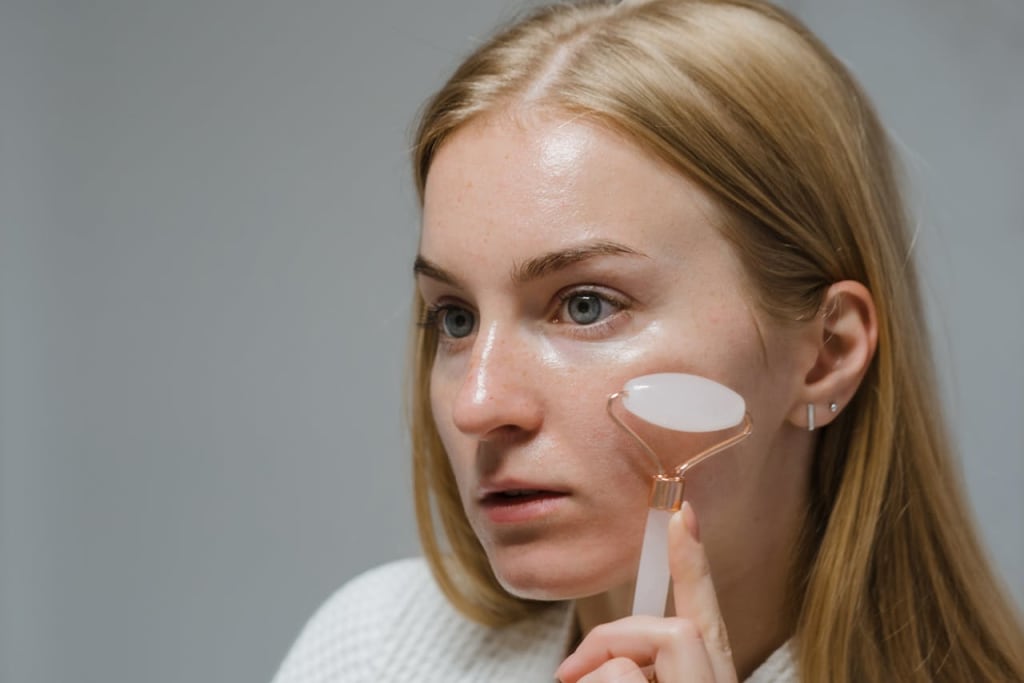
Facelift is one of the most popular cosmetic operations in the world, allow patients to reverse the symptoms of aging and regain a young look. There are still many questions concerning the strategies used, the expected outcomes, and the rehabilitation process. This article addresses seven frequently asked questions about facelift treatments, as well as a full examination of what patients should expect from this type of altering cosmetic surgery.
What is a Facelift, and How Does it Work?
A facelift, sometimes termed rhytidectomy, is a surgical procedure that tightens facial tissues, minimizes deep wrinkles, and removes excess skin. With an eye toward the bottom two-thirds of the face, it emphasizes the jawline, cheeks, and neck. To raise the skin and underlying tissues, surgeons make small incisions either around the ears or along the hairline. Reversing these layers produces a younger shape. Not only is the skin stretched, but also a natural appearance is ensured by tightening the underlying muscles and connective tissue, therefore producing long-lasting effects. Sometimes face balance and symmetry are attained by means of fat redistribution or excision as well.
How Long Do the Results of a Facelift Last?
Patients' most often asked question is about the lifetime of facelift effects. Although the operation has long-term advantages, it is crucial to realize that no surgery can stop the aging process. A facelift can last between 10 and 15 years, depending on a variety of factors such as the patient's age, skin type, lifestyle choices, and method used. Improved skin suppleness allows younger patients to enjoy longer-lasting results. Those who live a reasonable lifestyle, take good care of their skin, and protect themselves from sun exposure will help your facelift endure.
Are There Different Types of Facelift Techniques?
Facelift procedures have improved greatly over the years, providing patients with a number of alternatives customized to their unique requirements. Mini facelifts might be advised to those looking for more focused enhancements. With shorter recovery durations, these less invasive techniques concentrate on the lower face and neck and provide mild augmentation. Tightening the deeper layers of facial tissue for more natural, long-lasting effects, the SMAS (Superficial Musculoaponeurotic System) facelift is another recent method. These days there are many specialists that offer specialized services to their clients. For example, Many call Dr Jacono the best facelift surgeon because of his ability to tailor facelift techniques to meet the needs of both younger and older patients alike. It's essential to have a thorough consultation with a board-certified plastic surgeon who can assess individual circumstances and determine if a facelift is the right solution at any age.
What is the Recovery Process Like After a Facelift?
The technique employed and the general state of the patient will affect the recovery following a facelift. Individuals typically experience swelling, bleeding, and facial stiffness, particularly in the first week after surgery. Pain is usually minor and can be treated with prescription medicines. Following post-operative instructions carefully is critical; they can include keeping your head up, avoiding strenuous exertion, and arranging follow-up visits. Most surgeons will remove sutures for five to ten days, and patients can be advised to wear a supportive bandage or garment to reduce swelling. While the body recovers and swelling subsides, true recovery where the final results are most visible can take many months.
Can a Facelift Be Combined With Other Procedures?
A facelift is frequently coupled with additional cosmetic operations to improve the overall outcome for people seeking total facial rejuvenation. To treat drooping eyelids or under-eye bags, one sometimes combines a facelift with eyelid surgery, also referred to as blepharoplasty. Complementing the results of a facelift, a brow lift is another often-used choice, as it can straighten forehead lines and elevate sagging eyebrows. To smooth regions that might not call for surgical intervention, many patients can choose non-surgical therapies, including Botox or dermal fillers. Since a facelift mostly concentrates on the lower face, these extra treatments might help generate a more balanced and younger look. During the consultation stage, it is essential to go over these choices with a surgeon in great depth.
Who is an Ideal Candidate for a Facelift?
Making decisions depends much on knowing who a suitable candidate for a facelift would be. Those in their 40s to 60s who show moderate to major indications of aging such as drooping skin, deep wrinkles, and loss of face volume usually make the greatest candidates. Good skin elasticity is also crucial as it guarantees that the skin can fit the newly defined face features produced after the operation. Candidates should also be in general excellent health as this reduces the dangers involved in surgery and facilitates a better recovery. Non-smoking people usually have better results, as smoking can hinder healing and lower skin quality. Although a facelift can offer noticeable changes, it cannot stop the aging process or make someone seem twenty years younger.
What Are the Risks Associated with Facelift Surgery?
Facelifts, like any other surgical procedure, have risks, although they are generally considered safe when performed by a qualified and experienced surgeon. Among the frequent hazards include scarring, infection, and negative anesthetic responses. During the consultation phase, it is advisable to go over these hazards with a surgeon since they vary based on personal health conditions and the facelifting procedure applied. Following the advice of their surgeon attentively before and after the operation helps patients reduce difficulties. Another way to lower the possibility of negative results is selecting a highly qualified surgeon with a good history of facelift operations. Although problems are rare, patients should be aware of all possible hazards and realize that their safety comes first for the surgeon.
Conclusion
Facelifts are a great solution for people who want to turn back the clock and recover their young appearance. Patients today have more choices than ever to get natural, long-lasting results due to several approaches accessible and ongoing developments in cosmetic surgery. The optimal course of action for every person depends on consulting a qualified and experienced surgeon to make sure the operation complements their health requirements and cosmetic goals.
About the Creator
Keep reading
More stories from Tracie Johnson and writers in Humans and other communities.
Tired of Being Tired? 6 Ways to Boost Your Energy Levels
Image Source: Pexels Are constantly trying to fit in naps? Maybe you're irritable and dragging. Maybe you've found that you're more irritable and that you enjoy things less. Being tired is a serious issue that can easily rob you of quality life. Nobody enjoys being tired all of the time, but not everyone knows just what they can do to help fix it. There are many things you can do to boost your energy levels, read below to learn more.
By Tracie Johnson4 years ago in Humans
Understanding Soul Age: Starseeds, Old Souls, and New Souls
Introduction The concept of soul age is a pivotal element within the domain of spiritual philosophy, offering insights into the evolution of consciousness across various lifetimes. By categorizing souls into distinct age groups, such as Starseeds, Old Souls, and New Souls, individuals can better comprehend their spiritual journey. This framework provides a pathway for understanding not only one’s personal growth but also the broader tapestry of existence. Many individuals find themselves drawn to the exploration of their soul age as a means of unlocking deeper meanings behind their experiences and life challenges.
By Wilson Igbasiabout 7 hours ago in Humans
TUS NUA - ch 53
TUS NUA – ch 53 New Beginnings – Mia and Midnight (*)(*)(*) Finola knew Ali’s brother-in-law needed to put his mind at rest. She fed her arm through his and led him outside. “We’ll sit here. If you like, I can put a block around us so our conversation will be private.”
By Margaret Brennan7 days ago in Fiction




Comments
There are no comments for this story
Be the first to respond and start the conversation.