
6 Benefits of Using Artificial Intelligence in Healthcare
AI in healthcare

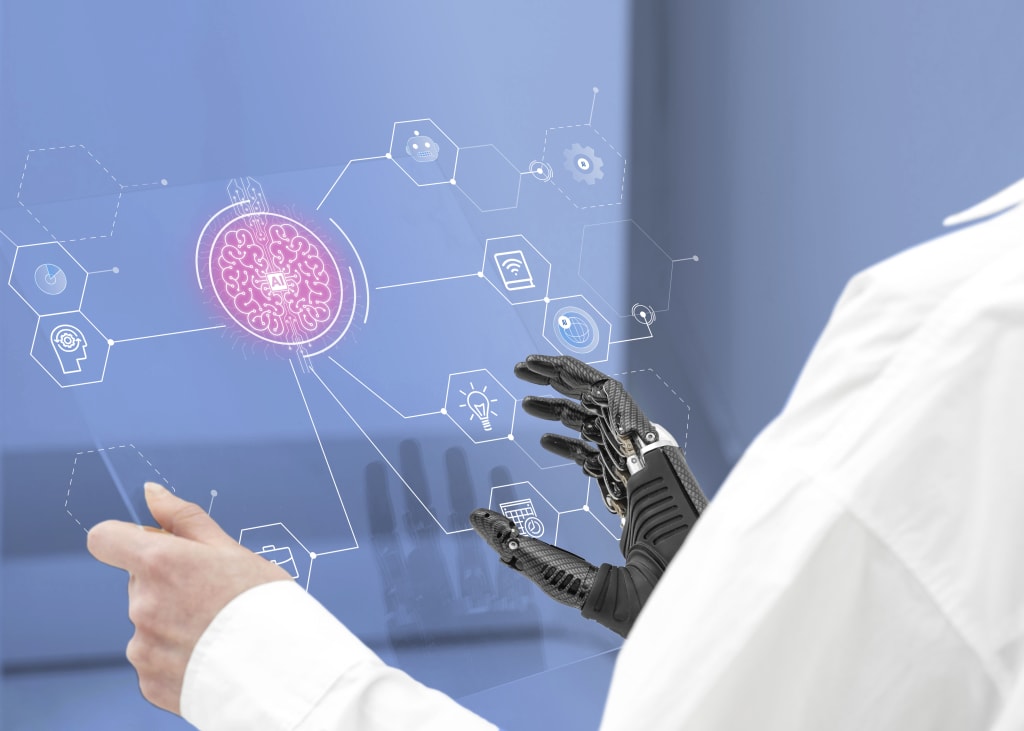
Artificial Intelligence (AI) is revolutionizing various industries, and healthcare is no exception. The integration of AI into healthcare systems is paving the way for significant advancements in diagnosis, treatment, and patient care. In this blog, we will explore six key benefits of using AI in healthcare.
1. Enhanced Diagnostic Accuracy
One of the most promising applications of AI in healthcare is its ability to improve diagnostic accuracy. AI algorithms, particularly those based on deep learning, can analyze complex medical data with unprecedented precision. This includes interpreting medical images, such as X-rays, MRIs, and CT scans.
Case in Point: Radiology
AI-powered systems can detect abnormalities in medical images that may be missed by the human eye. For instance, Google's DeepMind developed an AI algorithm that outperformed radiologists in detecting breast cancer in mammograms. This heightened accuracy can lead to earlier detection and treatment, ultimately saving lives.
Benefits for Patients and Providers
Early Detection: Early diagnosis can significantly improve patient outcomes, especially for conditions like cancer and cardiovascular diseases.
Reduced Errors: AI minimizes the risk of human error, ensuring that diagnoses are more reliable and consistent.
2. Personalized Treatment Plans
AI enables the creation of personalized treatment plans tailored to individual patients. By analyzing vast amounts of data, including genetic information, lifestyle factors, and medical history, AI can identify the most effective treatment options for each patient.
Precision Medicine
Precision medicine aims to tailor healthcare to individual patients rather than a one-size-fits-all approach. AI can predict how a patient will respond to specific treatments, allowing for more effective and targeted therapies.
Benefits for Patients and Providers
Improved Outcomes: Personalized treatments are more likely to be effective, leading to better patient outcomes.
Reduced Side Effects: Targeted therapies minimize unnecessary treatments and reduce the risk of adverse side effects.
3. Streamlined Administrative Processes
Administrative tasks in healthcare, such as scheduling, billing, and record-keeping, can be time-consuming and prone to errors. AI can automate many of these processes, freeing up healthcare professionals to focus on patient care.
AI-Powered Chatbots and Virtual Assistants
AI-powered chatbots and virtual assistants can handle routine inquiries, schedule appointments, and provide basic medical information. This reduces the administrative burden on healthcare staff and enhances patient engagement.
Benefits for Patients and Providers
Increased Efficiency: Automation of administrative tasks streamlines operations and reduces wait times.
Enhanced Patient Experience: Patients receive quicker responses and have easier access to information.
4. Predictive Analytics for Proactive Care
Predictive analytics is another powerful application of AI in healthcare. By analyzing historical and real-time data, AI can predict potential health issues before they become critical.
Preventive Care
AI algorithms can identify patients at risk of developing chronic conditions, such as diabetes or heart disease, and recommend preventive measures. This proactive approach can significantly reduce the incidence of these conditions and improve overall population health.
Benefits for Patients and Providers
Early Intervention: Early identification of risks allows for timely intervention and better management of chronic diseases.
Cost Savings: Preventive care reduces the need for expensive treatments and hospitalizations.
Explore details on predictive analytics in healthcare.
5. Enhanced Drug Discovery and Development
The process of discovering and developing new drugs is traditionally time-consuming and expensive. AI is accelerating this process by analyzing vast datasets to identify potential drug candidates and predict their efficacy.
AI in Drug Research
AI can analyze biological data to identify new drug targets and predict how potential drugs will interact with the human body. This reduces the time and cost associated with clinical trials and increases the likelihood of successful outcomes.
Benefits for Patients and Providers
Faster Development: AI speeds up the drug discovery process, bringing new treatments to the market more quickly.
Increased Success Rates: AI improves the accuracy of predicting drug efficacy, reducing the risk of failure in clinical trials.
6. Improved Patient Monitoring and Care
AI-powered wearable devices and remote patient monitoring systems are transforming patient care by providing continuous, real-time health data. This allows healthcare providers to monitor patients more effectively and intervene when necessary.
Remote Patient Monitoring
Wearable devices equipped with AI can track vital signs, detect abnormalities, and alert healthcare providers to potential issues. This is particularly beneficial for patients with chronic conditions who require ongoing monitoring.
Benefits for Patients and Providers
Continuous Care: Remote monitoring provides continuous care, reducing the need for frequent hospital visits.
Timely Interventions: Real-time data allows for timely interventions, preventing complications and improving patient outcomes.
Conclusion
The integration of AI in healthcare offers numerous benefits, from enhanced diagnostic accuracy and personalized treatment plans to streamlined administrative processes and improved patient monitoring. As AI technology continues to evolve, its impact on healthcare will only grow, leading to more efficient, effective, and personalized care for patients worldwide.
The potential of AI in healthcare is vast, and embracing this technology can lead to significant advancements in patient care and medical research. As we continue to explore and harness the power of AI, the future of healthcare looks promising, with better outcomes and improved quality of life for patients across the globe.
About the Creator
Larisa Albanians
Hey, a healthcare technology solutions provider at emorphis, that is helping organizations to deliver better healthcare solutions.
Keep reading
More stories from Larisa Albanians and writers in Humans and other communities.
How to Prevent Data Breaches in Healthcare Software Development
In the digital age, healthcare organizations are increasingly dependent on software systems for managing patient records, diagnostic tools, and communication. While this transformation has enhanced efficiency and patient care, it has also heightened the risk of data breaches. Protecting sensitive patient data is not only a regulatory requirement but also a moral imperative. Here’s a comprehensive guide on how to prevent data breaches in healthcare software development.
By Larisa Albanians2 years ago in Humans




Comments
There are no comments for this story
Be the first to respond and start the conversation.