
5 Ways to Stop Reacting Emotionally and Take Control of Your Life
5 Ways to Stop Reacting Emotionally and Take Control of Your Life

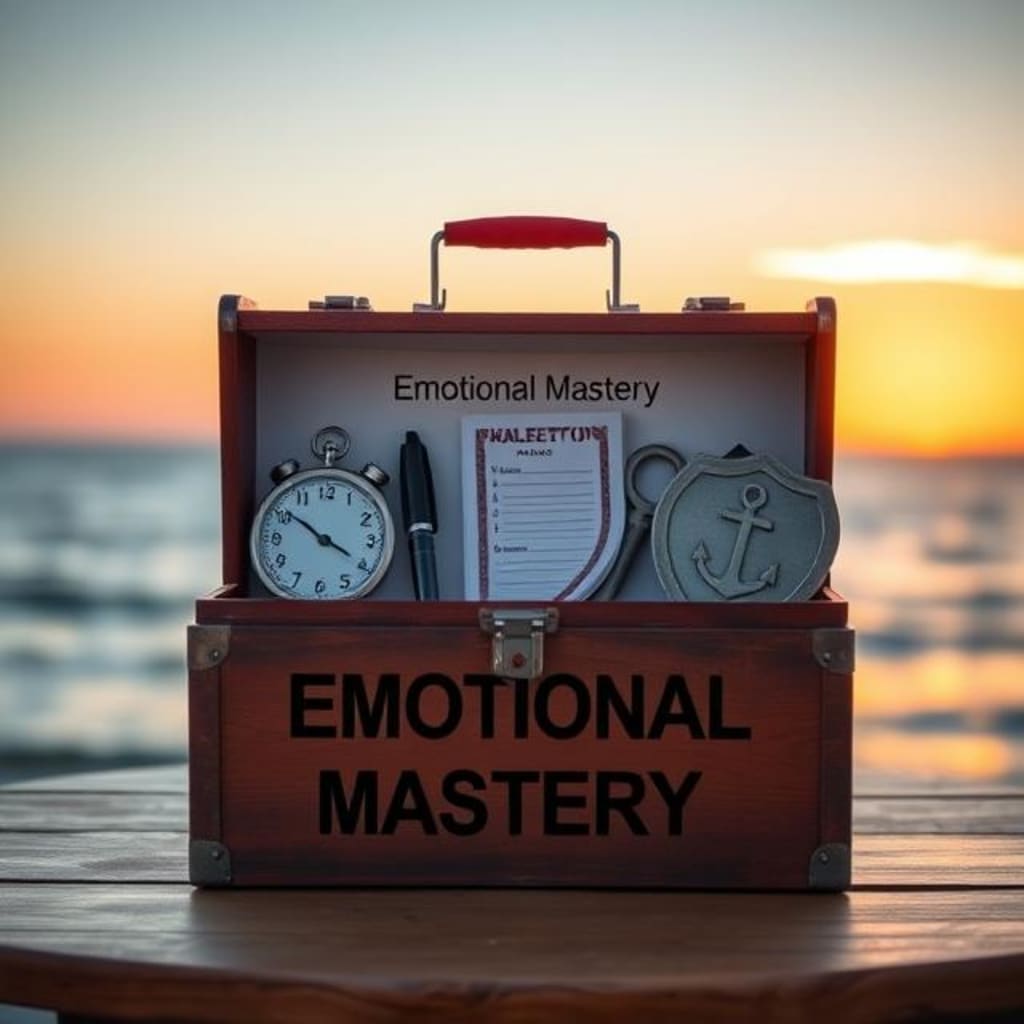
Emotions are a fundamental part of being human. They color our experiences, shape our relationships, and influence our decisions. However, when emotions take the wheel and dictate our reactions, they can lead to impulsive behavior, damaged relationships, and unnecessary stress. Learning how to stop reacting emotionally is not about suppressing your feelings—it’s about understanding them, managing them, and responding in a way that aligns with your values and goals.
If you’ve ever found yourself saying something in anger, making a decision out of fear, or feeling overwhelmed by sadness, you’re not alone. Emotional reactions are natural, but they don’t have to control you. Here are five powerful strategies to help you stop reacting emotionally and start responding with intention and clarity.
1. Pause and Breathe: Create Space Between Stimulus and Response
The first step to stopping emotional reactions is to create a moment of pause. When something triggers you—whether it’s a critical comment, a stressful situation, or a frustrating event—your body’s fight-or-flight response kicks in. Your heart races, your muscles tense, and your brain prepares to react. In this state, it’s easy to say or do something you’ll later regret.
How to Practice:
Take a deep breath. When you feel an emotional surge, pause and take three slow, deep breaths. This simple act activates your parasympathetic nervous system, calming your body and mind.
Count to ten. If you’re feeling overwhelmed, give yourself a moment to collect your thoughts before responding.
Walk away if needed. If the situation allows, step away for a few minutes to regain your composure.
By creating space between the trigger and your response, you give yourself the opportunity to choose how you want to react, rather than being swept away by emotion.
2. Identify and Label Your Emotions
Emotions can feel overwhelming when they’re vague and undefined. When you’re able to name what you’re feeling, you take away some of its power. This process, known as emotional labeling, helps you understand your emotions and reduces their intensity.
How to Practice:
Ask yourself, “What am I feeling?” Are you angry, sad, anxious, or frustrated? Be as specific as possible.
Dig deeper. Ask yourself why you’re feeling this way. For example, if you’re angry, is it because you feel disrespected, unheard, or powerless?
Write it down. Journaling about your emotions can help you process them and gain clarity.
When you identify and label your emotions, you shift from being controlled by them to understanding them. This awareness empowers you to respond in a way that aligns with your goals.
3. Challenge Your Thoughts
Emotional reactions are often fueled by automatic thoughts—assumptions, interpretations, or beliefs that may not be accurate. For example, if someone cancels plans, you might think, “They don’t care about me,” which can lead to feelings of hurt or anger. However, this thought may not reflect reality.
How to Practice:
Question your assumptions. Ask yourself, “Is this thought true? What evidence do I have for it?”
Consider alternative explanations. For example, maybe the person canceled because they’re overwhelmed or dealing with an unexpected issue.
Reframe your thoughts. Instead of thinking, “They don’t care about me,” you might reframe it as, “This is disappointing, but it doesn’t mean they don’t value me.”
By challenging and reframing your thoughts, you can reduce the intensity of your emotional reactions and respond more rationally.
4. Practice Empathy and Perspective-Taking
When you’re caught up in your emotions, it’s easy to see things only from your perspective. However, practicing empathy—putting yourself in someone else’s shoes—can help you understand their actions and reduce your emotional reactivity.
How to Practice:
Ask yourself, “Why might they be acting this way?” Consider the other person’s feelings, experiences, and motivations.
Listen actively. Instead of focusing on your response, truly listen to what the other person is saying.
Acknowledge their perspective. Even if you don’t agree, validating their feelings can de-escalate tension and create a more constructive dialogue.
Empathy doesn’t mean you have to agree with or condone someone’s behavior. It simply helps you see the bigger picture and respond with compassion rather than defensiveness.
5. Develop Emotional Resilience Through Self-Care
Emotional reactivity often stems from being overwhelmed, stressed, or depleted. When you’re running on empty, it’s much harder to manage your emotions effectively. Building emotional resilience through self-care can help you stay grounded and better equipped to handle life’s challenges.
How to Practice:
Prioritize sleep. Lack of sleep can heighten emotional reactivity and make it harder to regulate your emotions.
Engage in regular physical activity. Exercise releases endorphins, which improve mood and reduce stress.
Practice mindfulness or meditation. These practices help you stay present and cultivate a sense of calm.
Set boundaries. Protect your time and energy by saying no to things that drain you.
Seek support. Talk to a trusted friend, family member, or therapist about your feelings.
When you take care of your physical, mental, and emotional well-being, you’re better equipped to handle emotional triggers with grace and composure.
The Power of Choosing Your Response
Stopping emotional reactions isn’t about becoming emotionless—it’s about becoming intentional. Emotions are valuable messengers that provide insight into your needs, values, and boundaries. By practicing these strategies, you can learn to honor your emotions without letting them control you.
Remember, change takes time and practice. You won’t always get it right, and that’s okay. What matters is that you’re taking steps to understand yourself better and respond in a way that aligns with the person you want to be. Over time, you’ll find that you’re less reactive, more resilient, and better equipped to navigate life’s challenges with confidence and clarity.
So the next time you feel an emotional surge, pause, breathe, and remind yourself: You have the power to choose your response.
About the Creator
Fred Bradford
Philosophy, for me, is not just an intellectual pursuit but a way to continuously grow, question, and connect with others on a deeper level. By reflecting on ideas we challenge how we see the world and our place in it.
Keep reading
More stories from Fred Bradford and writers in Humans and other communities.
If the Great Philosophers Returned
If the philosophers of old times—those monumental thinkers like Socrates, Confucius, Aristotle, or Nietzsche—were somehow resurrected into our modern world, what would you ask them? This tantalizing question invites not only reflection on our current dilemmas but also speculation on how these giants of thought might interpret our society, technologies, and existential quandaries. The exercise bridges the timelessness of human questions with the specificity of our present age.
By Fred Bradford12 months ago in Humans
Why Narcissists Target Empathetic People First.
Narcissists are skilled at identifying vulnerability, and empathetic people often unknowingly become their primary targets. Their charm, manipulation, and strategic tactics prey on the compassion, kindness, and sensitivity that empathetic individuals naturally possess. While empathy is a strength, it can make people susceptible to narcissistic behavior if boundaries are not established. Understanding why narcissists gravitate toward empathetic individuals is essential for protecting yourself and maintaining emotional well-being.
By Wilson Igbasi7 days ago in Humans



Comments
There are no comments for this story
Be the first to respond and start the conversation.