
30 Days Better Habit
Transform Your Life One Day at a Time
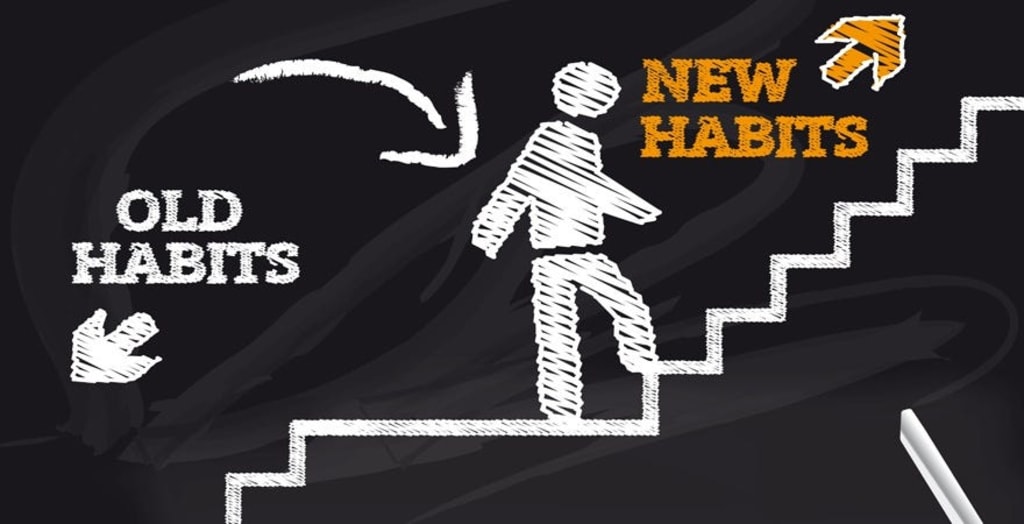
Have you ever decided to adopt a new habit, only to find that after a few days, your motivation fizzles out and you're right back where you started? It's a frustrating cycle that many of us know all too well. The good news? Developing better habits doesn’t have to be an all-or-nothing process, and it doesn’t require a major overhaul of your life. In fact, if you dedicate just 30 days to improving a single habit, you can transform your routine—and your life—for the better.
In this article, we'll guide you through the process of using the next 30 days to focus on creating a better habit, one step at a time. Whether you want to become more productive, healthier, or more mindful, these actionable strategies can help you make lasting change that sticks.
Day 1: Set Your Intentions
The first step to creating a better habit is deciding what you want to improve. It’s important to choose something meaningful to you, not something that just sounds good on paper. Maybe you want to exercise more regularly, eat more vegetables, meditate daily, or read more books. Whatever it is, make sure it aligns with your long-term goals and values.
When you’re clear about your “why,” it becomes much easier to stay motivated. Write down your intention and read it daily to remind yourself of the reasons you want to make this change. Be specific about what you hope to achieve, whether it's feeling more energized, improving your mental health, or even building a new skill.
Tip: The clearer and more specific your intention, the more likely you are to stick with it. Instead of saying, "I want to get in shape," try something more measurable like, "I want to work out three times a week for 30 minutes."
Day 2-5: Start Small and Build Gradually
On days two through five, it's all about starting small. Research shows that the best way to develop a lasting habit is to begin with small, manageable actions. For example, if you want to start exercising regularly, don’t jump into hour-long workouts right away. Instead, commit to a 15-minute workout each day. If you’re trying to read more, start by reading just 10 pages per day.
By beginning with small actions, you avoid overwhelming yourself. This gradual approach helps you build confidence and momentum as you experience small wins each day. Small habits compound over time, and as you continue to build them into your routine, they’ll grow in size and impact.
Tip: Make your new habit so easy to do that you can’t talk yourself out of it. The simpler it is to get started, the more likely you are to keep going.
Day 6-10: Track Your Progress
As you continue through the first week, tracking your progress becomes a crucial tool in staying on track. Whether you’re writing down your workouts in a journal, marking off days on a calendar, or using a habit-tracking app, seeing your progress visually is motivating.
Tracking allows you to see how far you've come, and it reinforces the idea that your new habit is part of your life. It also makes it easier to identify patterns—when you’re more likely to follow through and when obstacles arise. If you miss a day or two, don’t beat yourself up; instead, use it as an opportunity to learn and adjust.
Tip: Create a simple system to track your progress. The satisfaction of checking off each day can become a powerful motivator, and the data you collect will help you make improvements along the way.
Day 11-15: Focus on Consistency, Not Perfection
By now, you’ve started to get into a routine, but it’s also when most people encounter their first obstacles. Whether it's a busy schedule, low energy, or old habits creeping in, it’s easy to let perfectionism sabotage your efforts.
The key to success during this phase is focusing on consistency, not perfection. It’s okay if you miss a day or don’t do the habit exactly as planned. What matters is that you keep coming back to it. Building a habit is a long-term process, and consistency trumps occasional perfection every time.
Tip: If you miss a day, don’t see it as a failure. Treat it as a small setback and commit to getting back on track the very next day. One missed day doesn’t have to undo all of your hard work.
Day 16-20: Reinforce with Rewards
As you approach the halfway point, it’s time to reinforce your new habit with rewards. Rewarding yourself for consistency will help you stay motivated and make the process more enjoyable. This doesn't mean treating yourself every time you do the habit, but creating larger rewards for meeting milestones along the way.
For example, if you’ve exercised every day for two weeks, reward yourself with something special, like a massage or a new workout outfit. Or if you’ve been reading a chapter a day, treat yourself to a new book or a day out doing something you love.
Rewards don't have to be extravagant, but they should feel satisfying enough to celebrate your commitment. They help solidify the positive association with your new habit, making it more enjoyable to stick with.
Tip: Make sure your rewards align with your goal. For instance, if your goal is to improve your fitness, avoid rewarding yourself with unhealthy food choices. Instead, opt for rewards that encourage further progress.
Day 21-25: Tackle Obstacles
At this point, you might encounter resistance. The novelty of your new habit may start to wear off, and old excuses and distractions may begin to sneak in. This is the time to reinforce your commitment and remind yourself why you started.
One effective strategy to keep going is to reframe obstacles as challenges. For example, if you’re finding it hard to carve out time for your new habit, consider how you can work it into your existing routine. Maybe you can take a walk during lunch or read a few pages before bed.
Tip: Identify the specific obstacles you face and brainstorm creative solutions. This proactive approach not only helps you stay on track but also builds problem-solving skills that will serve you in other areas of life.
Day 26-30: Reflect and Celebrate Your Success
You’ve made it to the final stretch—just a few more days to solidify your new habit! Now is the time to reflect on your journey. How far have you come? What improvements have you noticed in your life? This is also a great opportunity to think about the next steps—how can you continue to grow or deepen your commitment to this habit?
As you celebrate your success, don’t forget to give yourself credit for the effort and persistence it took to get here. The last five days are all about solidifying your habit and setting yourself up for long-term success.
Tip: Take some time to celebrate your progress, even if it’s something small. Acknowledge the effort you’ve put in, and think about how you can continue the habit beyond the 30 days. This reflection will give you a sense of accomplishment and motivate you to keep going.
Conclusion: The Power of 30 Days
Over the past month, you’ve taken actionable steps toward creating a better habit, one day at a time. While the first 30 days are crucial, they are only the beginning. The real challenge—and opportunity—lies in maintaining your habit beyond this timeframe. With the tools you’ve built, you can continue to grow and develop new habits that bring you closer to your goals.
The beauty of the 30-day habit-building process is that it doesn’t require perfection or a radical transformation. Instead, it's about steady progress, small improvements, and the persistence to keep going even when things get tough. Remember, every great achievement begins with a single step—so why not take it today?
In just 30 days, you can lay the foundation for a better, more fulfilling life. The question is, are you ready to begin?


Comments
There are no comments for this story
Be the first to respond and start the conversation.