
2025 Sofa Trends: Eco-Friendly Styles for a Sustainable Future
Embracing Sustainable Design: The Rise of Eco-Friendly Sofas in 2025

As we step into 2025, sustainability is more than just a buzzword—it has become a core value in the way we live, work, and furnish our homes. In particular, the furniture industry has seen a significant shift toward eco-conscious designs, with sofas taking center stage in this movement. With climate change concerns, rising environmental awareness, and the desire for a more sustainable lifestyle, consumers are increasingly demanding products that not only provide comfort and style but also minimize their impact on the planet. This growing demand for sustainability is reflected in the latest sofa trends, which prioritize eco-friendly materials, ethical production, and long-lasting designs that contribute to a more circular economy.
Sustainable Materials Take the Lead
One of the most notable shifts in the sofa industry in 2025 is the increased use of sustainable materials. Consumers are becoming more mindful of the materials that make up their furniture, and manufacturers are responding by turning to natural, biodegradable, and organic fabrics. Materials such as organic cotton, hemp, and bamboo are now being favored over traditional synthetics due to their lower environmental impact. These fabrics are not only eco-friendly but also provide superior comfort and durability, making them an excellent choice for those who prioritize both sustainability and quality. Moreover, the production of these materials generally requires fewer pesticides, fertilizers, and chemicals, further reducing their carbon footprint.
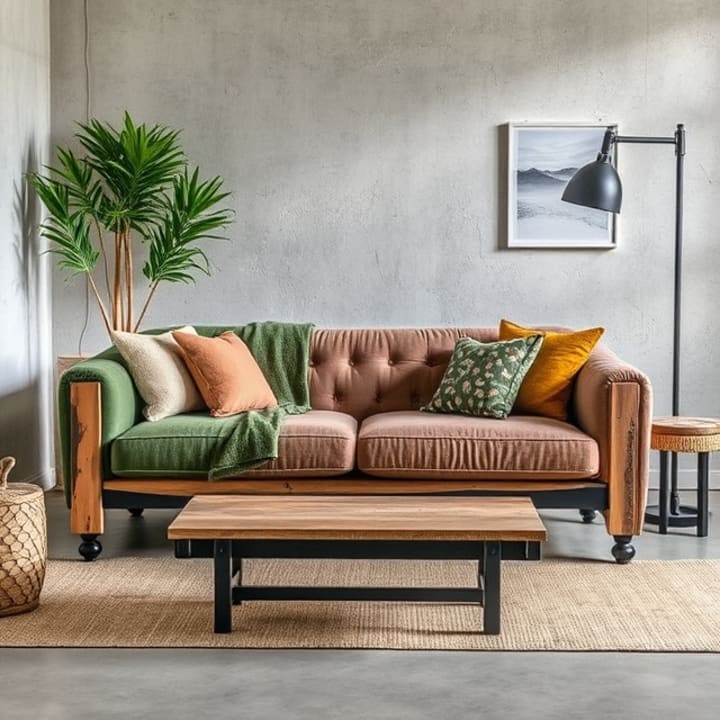
In addition to natural fabrics, many furniture brands are moving away from synthetic foams, which are often made from non-renewable petroleum-based products. Instead, they are opting for plant-based, recycled, or memory foam alternatives that offer the same level of comfort and support but with a much smaller environmental footprint. This shift towards eco-friendly fillings is helping to further minimize waste and promote sustainable practices in the furniture industry.
The Rise of Recycled Materials
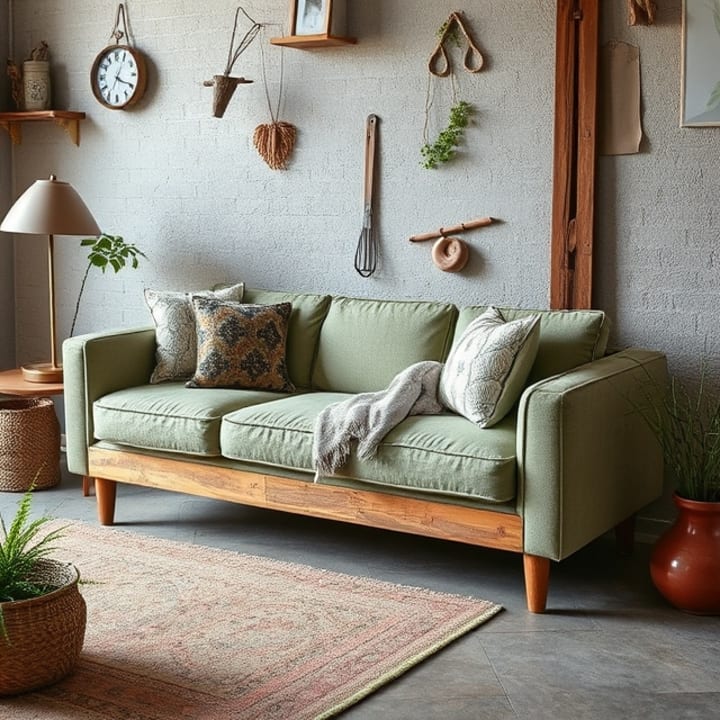
Another important trend in the 2025 sofa landscape is the use of recycled materials. As part of a broader move towards a circular economy, furniture designers and manufacturers are embracing materials that can be reused and repurposed. For instance, many sofas now feature frames made from reclaimed wood, which not only reduces the need for new timber but also gives each piece of furniture a unique and rustic charm. In addition to wood, upholstery made from repurposed plastics and fabrics is gaining traction. These materials are sourced from discarded textiles and plastic waste, which are then cleaned, processed, and turned into new fabrics suitable for sofa covers.
Consumers are increasingly drawn to these eco-friendly options, not just for their sustainability but also for the stories they tell. Each piece made from recycled materials carries with it a history, whether it’s plastic bottles transformed into fabric or reclaimed wood salvaged from old buildings. This personal connection to the material world is becoming an essential part of the modern consumer’s decision-making process, as they look to make more conscious and informed purchases.
Modular Sofas: Flexibility, Longevity, and Waste Reduction
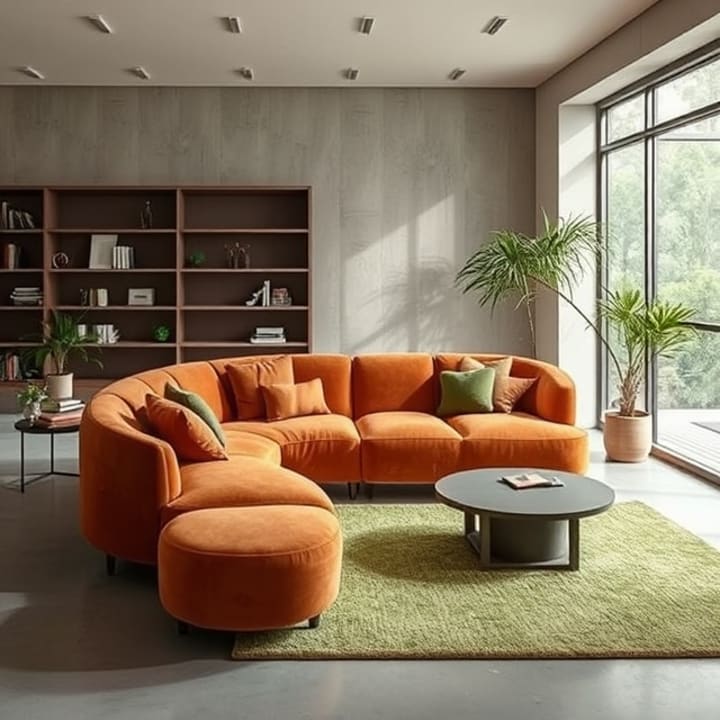
Modular sofas have emerged as a major trend in 2025, offering consumers the flexibility to create furniture configurations that suit their evolving needs. The modular approach allows buyers to mix and match different components, adding or removing sections over time as their space or lifestyle changes. This not only enhances the functionality of the furniture but also reduces the need to replace the entire sofa, ultimately leading to less waste.
The longevity of modular sofas is another reason why they are gaining popularity. With interchangeable parts and durable materials, modular sofas can be adapted to fit various styles, tastes, and room sizes. This adaptability extends their lifespan, as consumers can update the look or functionality of their sofas without having to dispose of the whole unit. By contributing to reduced waste and fostering long-term usage, modular sofas align perfectly with the principles of sustainability and minimalism.
Ethical Production Practices
Beyond the materials and design of the sofa itself, another significant trend in 2025 is the focus on ethical production practices. Many furniture brands are placing a strong emphasis on fair labor practices and environmental stewardship throughout their supply chains. This includes ensuring that workers are paid fair wages, work in safe conditions, and are treated with dignity and respect. Additionally, these companies are increasingly adopting energy-efficient manufacturing processes and reducing their carbon emissions.
Consumers are becoming more aware of how and where their furniture is made, and they are looking to support brands that prioritize ethical and sustainable production. By choosing companies that are committed to social responsibility, buyers can ensure that their furniture not only benefits their homes but also contributes to a better, more sustainable world.
The Future of Eco-Friendly Sofas
As we move further into 2025, eco-friendly sofas are no longer a passing trend—they represent the future of the furniture industry. Sustainable materials, ethical production, and long-lasting designs are no longer just nice-to-haves; they are now essential features that modern consumers demand. These changes are not only benefiting the environment but are also making way for more beautiful, functional, and innovative furniture designs. As consumer preferences shift towards sustainability, eco-friendly sofas are set to become the standard, allowing consumers to enjoy comfort, style, and a positive environmental impact—all in one piece of furniture.
About the Creator
Keep reading
More stories from Opaa Homes and writers in Humans and other communities.
Exploring the Evolution of Furniture Design: From Ancient Artisans to Modern Masterpieces
Ancient Beginnings: Craftsmanship and Symbolism The origins of furniture design can be traced back to ancient civilizations such as Egypt and Mesopotamia. In these early societies, furniture served both functional and symbolic purposes. Egyptian artisans crafted ornate chairs and beds adorned with intricate carvings and hieroglyphs, symbols of prestige and status. These pieces were not only practical but also conveyed the wealth and power of their owners. Meanwhile, in China, furniture design emphasized harmony with nature. The use of materials like bamboo and lacquer reflected a balance and beauty intrinsic to Chinese philosophy and aesthetics. This period laid the foundational principles of furniture design, focusing on craftsmanship and symbolic meaning.
By Opaa Homes2 years ago in Humans
Minnesota and Illinois Invoke the 10th Amendment in Lawsuits to Block Federal Agents in Their Cities — Here’s Why That Matters
States Push Back Against Federal Enforcement Minnesota and Illinois have launched high-profile lawsuits invoking the 10th Amendment of the US Constitution in an effort to block or limit the actions of federal agents—particularly immigration enforcement officers—operating within their cities. The legal challenges mark a significant escalation in the long-running conflict between state governments and Washington over who has the authority to enforce immigration laws and how far federal power can reach.
By Aarif Lashari3 days ago in Humans
The Devil's Cut
“Comrade, finally you’re awake.” The voice was smooth, sensual. A flickering incandescent bar was all that lit the white, sterile room. All Vladimir remembered was everything going black. He tried to move his arms and found them strapped to the gurney.
By Matthew J. Fromm3 days ago in Fiction


Comments
There are no comments for this story
Be the first to respond and start the conversation.