
10 Practical Ways to Reduce Water Usage
And Conserve This Vital Resource

Water is essential for life, yet it's a resource many of us take for granted. With climate change intensifying droughts and growing populations increasing demand, conserving water has never been more important. By making small changes to your daily habits, you can significantly reduce your water usage, save money on utility bills, and help protect this vital resource for future generations.
Here’s a comprehensive guide with actionable tips to conserve water in your home, garden, and community.
Why Conserving Water Matters
Before diving into tips, it’s essential to understand why water conservation is crucial:
Environmental Impact: Freshwater ecosystems, like rivers and wetlands, are under threat due to overuse and pollution.
Economic Savings: Reducing water usage lowers utility bills, saving you money.
Sustainability: As the global population grows, conserving water ensures enough supply for essential needs like agriculture and sanitation.
Combatting Droughts: Many regions face water scarcity. Every drop you save helps alleviate the pressure on local water sources.
10 Proven Strategies to Save Water
1. Fix Leaks Immediately
Leaks, no matter how small, waste a significant amount of water. A dripping faucet can waste over 3,000 gallons of water annually. Check your home for leaks in toilets, faucets, and pipes regularly, and repair them promptly.
2. Install Water-Saving Fixtures
Upgrading to water-efficient appliances can make a huge difference. Consider:
Low-flow showerheads: They use less water without compromising pressure.
Dual-flush toilets: These save up to 67% more water compared to traditional toilets.
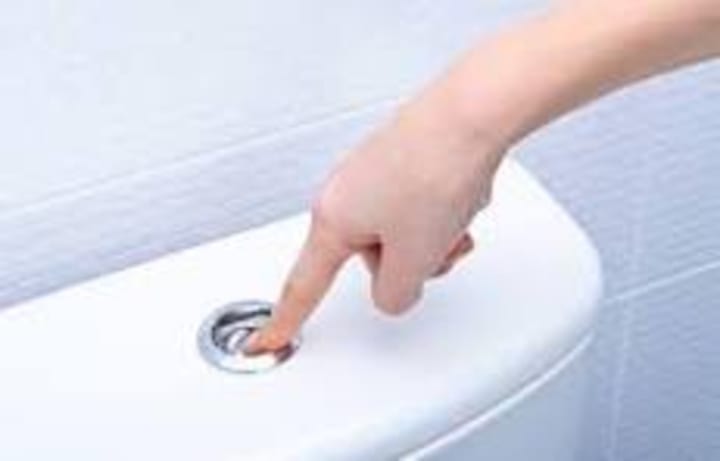
Aerated faucets: These reduce water flow while maintaining a strong stream.
3. Embrace Shorter Showers
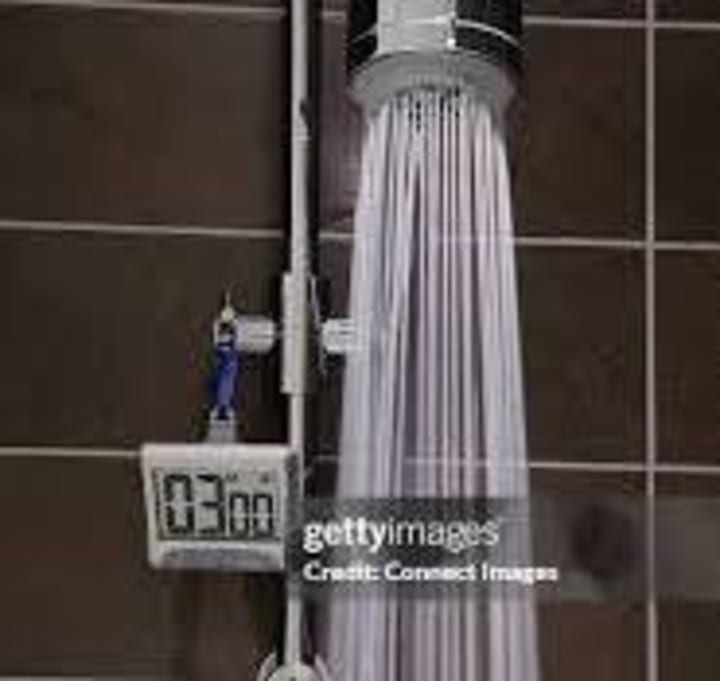
A typical shower uses about 2.5 gallons of water per minute. Reducing your shower time by just two minutes can save over 1,500 gallons annually. Use a timer to keep yourself on track.
4. Turn Off the Tap
Simple habits like turning off the tap while brushing your teeth, shaving, or washing dishes can save gallons every day. This small change can have a big impact over time.
5. Optimize Laundry Practices
Laundry accounts for a significant portion of household water usage. To conserve water:
Wash only full loads of laundry.
Use cold water settings whenever possible.
Upgrade to Energy Star-certified washing machines, which use less water and energy.
6. Reuse Greywater
Greywater from sinks, showers, and washing machines can be repurposed for non-potable uses like watering plants. Installing a greywater system helps reduce waste while keeping your garden lush.
7. Water Plants Wisely
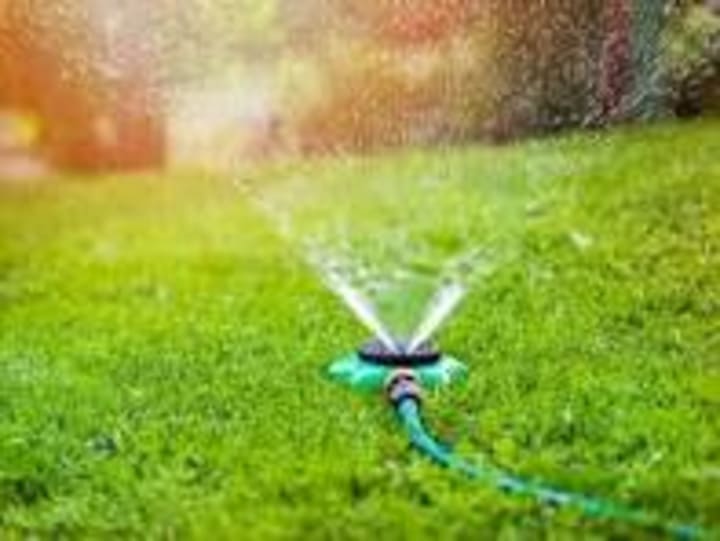
Outdoor water use can account for up to 50% of household consumption. Reduce wastage by:
Watering plants in the early morning or late evening to minimize evaporation.
Using drip irrigation systems for precise watering.

Planting drought-resistant plants that require less water.
8. Harvest Rainwater
Rainwater harvesting is an excellent way to reduce your reliance on municipal water. Set up barrels to collect rainwater from your roof, and use it for gardening or other outdoor activities.
9. Choose Water-Efficient Landscaping
Opt for xeriscaping, a landscaping style that uses native, drought-resistant plants. These require minimal watering and thrive in local conditions. Adding mulch around plants also helps retain soil moisture.
10. Educate and Advocate
Water conservation starts at home but has a broader impact when communities get involved. Educate friends and family about the importance of saving water. Advocate for water conservation policies in your community, and support initiatives promoting sustainable water use.
Quick Water-Saving Stats to Share
Fixing household leaks can save up to 10,000 gallons of water per year.
A dual-flush toilet can save a family up to 20,000 gallons annually.
Switching to drought-tolerant landscaping can reduce outdoor water use by 50% or more.
Keywords for Awareness
"How to save water at home"
"Water conservation tips for families"
"Eco-friendly water-saving hacks"
"Reduce water waste in daily life"
"Sustainable living practices for beginners"
Final Thoughts
Water conservation isn’t just an eco-friendly practice; it’s a necessity for our planet’s future. By adopting these practical strategies, you can contribute to a sustainable lifestyle while inspiring others to do the same. Remember, every drop counts!
Take action today—because the small choices we make now can create a ripple effect of positive change for generations to come.
About the Creator
Keep reading
More stories from Jacktone Otieno and writers in Humans and other communities.
How to Be a Green Consumer
In an era where sustainability has become more than just a trend, being a green consumer is no longer optional—it's essential. Climate change, plastic pollution, and overconsumption are pressing global issues that require individual action. By making thoughtful purchasing decisions, you can help protect the environment, support ethical practices, and even save money in the long run. Here's a guide to help you become an ethical shopper while staying stylish, savvy, and sustainable.
By Jacktone Otienoabout a year ago in Humans
When Institutions Reward the Disordered
The claim that modern society has “gone insane” circulates constantly in political commentary. The phrase is crude. The frustration behind it is real. When citizens watch institutions make decisions that appear detached from ordinary human consequences, people begin searching for explanations. Some assume incompetence. Others assume corruption. A smaller but growing group points to a psychological explanation known as political ponerology.
By Dr. Mozelle Martinabout 16 hours ago in Humans
Top tipple tricks
Been thinking a lot about drinking, lately. Not least because of a recent episode of over-indulgence and the inevitable after effects. Some readers may recall the earlier articles I wrote about beating the booze. Here I set out an experiment in techniques for cutting down on my alcohol intake. The experiment was successful, the techniques worked, and I have armed myself with an arsenal of weapons in the war against the demon drink. I have yet to fire the first round however. It's all a question of timing (perhaps procrastination).
By Raymond G. Taylorabout 22 hours ago in Psyche




Comments
There are no comments for this story
Be the first to respond and start the conversation.