
Unveiling the Dark Side of Science
A Journey Through 10 Infamous Human Experiments

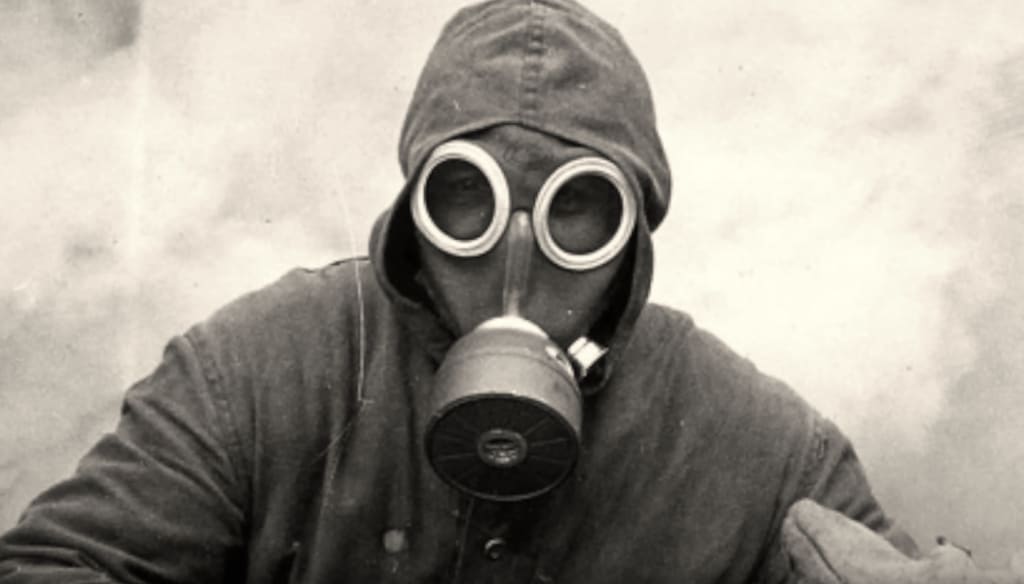
Experiment #10: Hofling Hospital Experiment
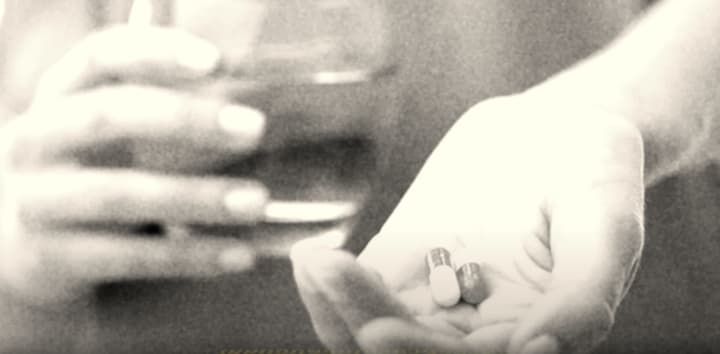
The Hofling Hospital experiment, conducted in the 1960s, was designed to study obedience to authority within the medical profession. Nurses were asked to administer a potentially lethal dose of medication to a patient, following orders from a perceived authority figure—an unknown doctor over the phone. Despite knowing the dosage was dangerous, 21 out of 22 nurses complied with the order, highlighting the powerful influence of authority on human behavior. This experiment raised serious ethical concerns about the boundaries of obedience in medical practice and the importance of safeguarding patient welfare.
Source: Hofling CK, Brotzman E, Dalrymple S, Graves N, Pierce CM. "An experimental study in nurse-physician relationships." Journal of Nervous and Mental Disease (1966).
Experiment #9: Malaria Experiments in Prisons
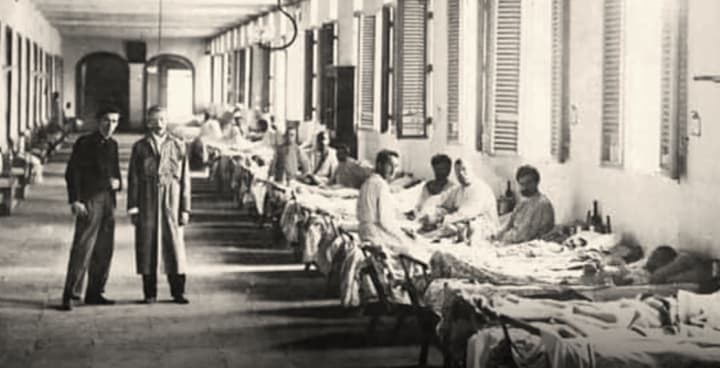
During World War II, prisoners were subjected to malaria experiments in an effort to find a cure for the disease. These experiments were conducted on inmates without their consent, often causing severe illness and even death. The most notorious of these was carried out in the United States, where prisoners were deliberately infected with malaria to test the efficacy of various treatments. This experiment is a stark reminder of how vulnerable populations, such as prisoners, can be exploited in the name of scientific progress.
Source: Jones, James H. "Bad Blood: The Tuskegee Syphilis Experiment." The Free Press (1981) - Although primarily focused on the Tuskegee Study, this book discusses other unethical medical experiments, including those involving malaria.
Experiment #8: Project Artichoke
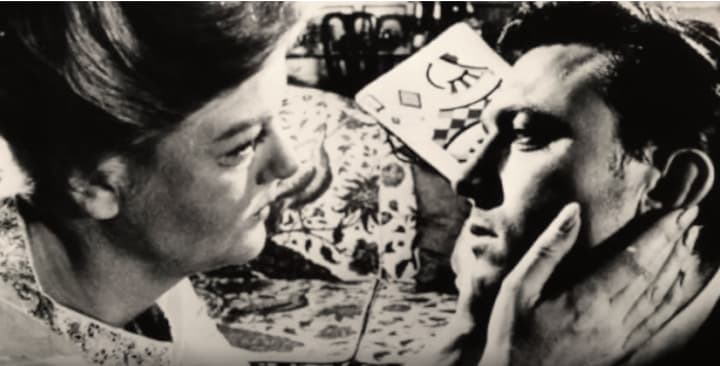
Project Artichoke, a CIA operation in the 1950s aimed to explore the possibilities of mind control through the use of drugs like LSD, hypnosis, and psychological torture. Subjects, often unwittingly, were subjected to extreme forms of experimentation, leading to severe psychological trauma. The project was part of a larger effort to develop interrogation techniques during the Cold War, but it left a legacy of abuse and unethical research practices that continue to haunt the history of intelligence agencies.
Source: Marks, John. "The Search for the 'Manchurian Candidate': The CIA and Mind Control." Times Books (1979).
Experiment #7: The Monster Study

The Monster Study, conducted in 1939 by Wendell Johnson at the University of Iowa, was a speech experiment on orphans to study the effects of positive and negative reinforcement on speech fluency. Children were labeled as stutterers and subjected to negative feedback, which caused long-term psychological harm and, in some cases, led to actual speech impediments. The study's unethical treatment of vulnerable children sparked widespread condemnation and is a powerful example of the lasting damage that can result from unethical research.
Source: Ambrose, S. H. (2003). "The Monster Study and the Nature of Speech Pathology." Journal of Fluency Disorders.
Experiment #6: Unit 731
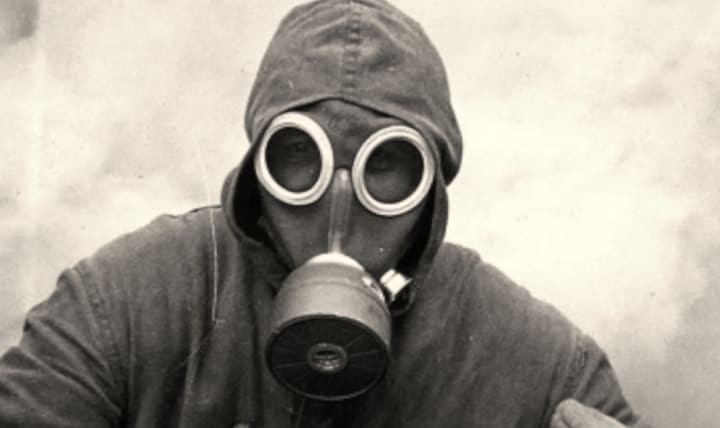
Unit 731 was a covert biological and chemical warfare research and development unit of the Imperial Japanese Army during World War II. Located in occupied China, the unit conducted lethal human experimentation, including vivisections, biological weapon testing, and exposure to extreme conditions. Thousands of men, women, and children were subjected to these brutal experiments, many of whom died as a result. The atrocities committed by Unit 731 are among the most heinous war crimes in history and serve as a grave reminder of the potential for scientific research to be weaponized in the most inhumane ways.
Source: Gold, Hal. "Unit 731 Testimony." Tuttle Publishing (1996).
Experiment #5: Hepatitis in Humans

During the 1950s, researchers at the Willowbrook State School in New York conducted experiments on mentally disabled children to study the transmission of hepatitis. The children were deliberately infected with the disease to observe its progression and test potential treatments. This experiment was justified by the claim that the children were likely to contract hepatitis anyway due to the poor sanitary conditions at the institution. However, the blatant disregard for the well-being of these vulnerable children sparked outrage and led to significant changes in the ethical standards governing human research.
Source: Krugman, Saul. "The Willowbrook Hepatitis Studies Revisited: Ethical Aspects." Reviews of Infectious Diseases(1986).
Experiment #4: Mustard Gas on Humans
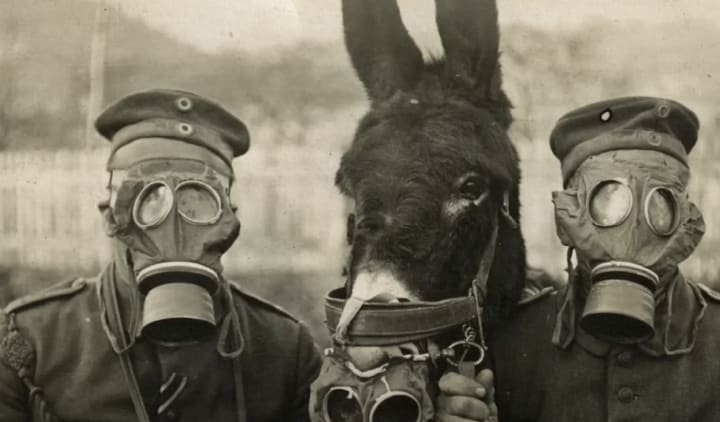
In World War II, mustard gas was tested on soldiers to understand its effects and to develop better protective measures. These tests were often conducted without the soldiers' knowledge or consent, leading to severe injuries and long-term health issues. The use of human subjects in chemical warfare experiments underscores the ethical dilemmas faced during wartime research and the need for strict oversight to protect human rights.
Source: Conant, Jennet. "The Secret of Nerve Gas Experiments: Researching Chemical Warfare on American Soldiers." Vanity Fair (2003).
Experiment #3: Radioactive Materials in Humans

During the Cold War, the U.S. government conducted experiments on unsuspecting citizens by exposing them to radioactive materials to study the effects of radiation on the human body. These experiments were part of a broader effort to understand the impact of nuclear weapons, but they often resulted in serious health problems for the participants, including cancer and other radiation-related illnesses. The secretive nature of these experiments and the lack of informed consent sparked widespread public outrage and led to increased scrutiny of government-sponsored research.
Source: Welsome, Eileen. "The Plutonium Files: America's Secret Medical Experiments in the Cold War." The Dial Press(1999).
Experiment #2: The Tuskegee Syphilis Study
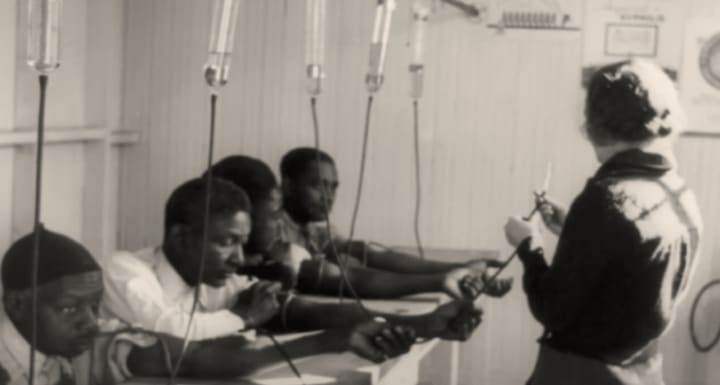
The Tuskegee Syphilis Study, conducted between 1932 and 1972, was a study by the U.S. Public Health Service to observe the natural progression of untreated syphilis in African American men. The participants were not informed of their diagnosis and were denied treatment, even after penicillin became widely available as a cure. The study, which continued for 40 years, is one of the most egregious examples of racial exploitation in medical research and led to widespread changes in how informed consent and ethical oversight are handled in clinical studies.
Source: Jones, James H. "Bad Blood: The Tuskegee Syphilis Experiment." The Free Press (1981).
Experiment #1: Human Gender Neutrality

The concept of gender neutrality was explored in the infamous John/Joan case, where psychologist John Money attempted to prove that gender identity could be socially conditioned. David Reimer, born biologically male, was raised as a girl after a botched circumcision, following Money's advice. The experiment was a failure, causing immense psychological distress to Reimer, who eventually reassumed his male identity and later committed suicide. This tragic case highlights the profound impact of unethical psychological experimentation and the dangers of imposing scientific theories on vulnerable individuals without fully understanding the consequences.
Source: Colapinto, John. "As Nature Made Him: The Boy Who Was Raised as a Girl." HarperCollins (2000).
About the Creator
metalicaed
I am an instructor at the Christian University of Thailand, specifically in the Department of Biomedical Engineering. You can follow my academic articles using this link.
https://www.researchgate.net/profile/Navapadol-Kittiamornkul
Keep reading
More stories from writers in Horror and other communities.
Thoughts on Vocal and the way the world is
"Death cannot stop true love, only delay it." – Wesley in The Princess Bride. I decided to come back to Vocal on a very cold and dark night at the end of December. I had been, and still am, convalescing from a horrible staph infection that had gone misdiagnosed for months. This, paired with the increasing challenges of being healthy, making the best choices for my co-parented child, being a wife, and being a director at a new job, was a lot to manage.
By Jazzy 6 days ago in Confessions




Comments
There are no comments for this story
Be the first to respond and start the conversation.