
The Haunted Plague Chapel of Weilheim: Echoes of Death and Restless Spirits
A Dark Legacy: The Tragic History of Bavaria's Most Haunted Chapel

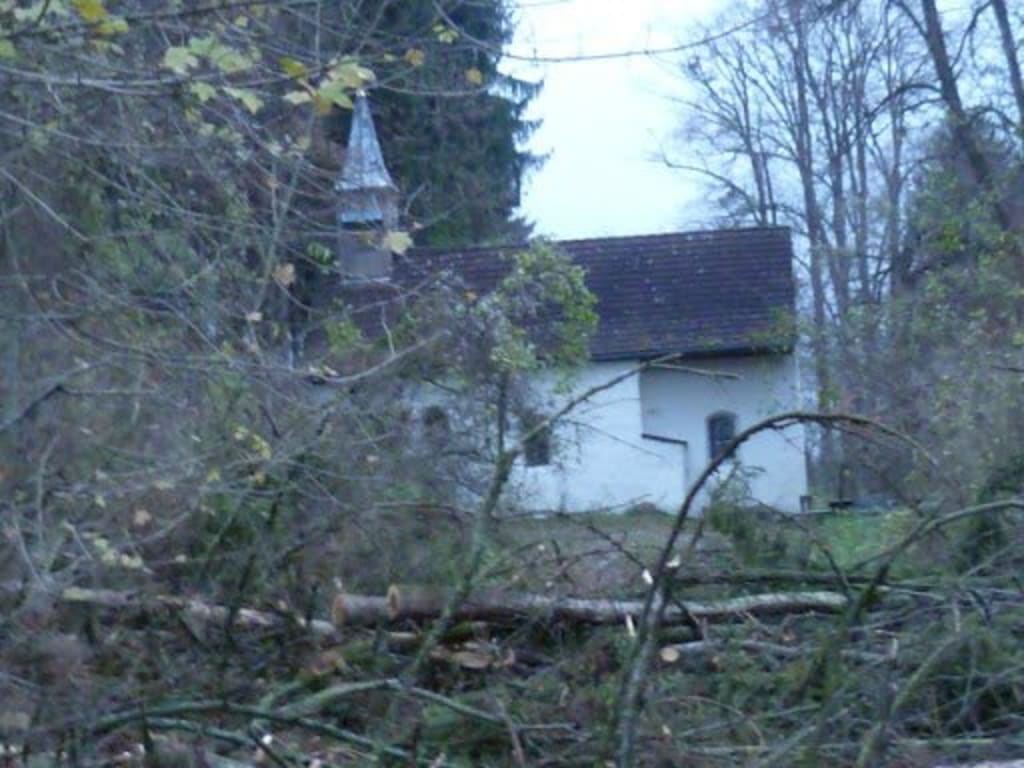
The Weilheim Plague Chapel: A Disquieting Legacy of Tears and Ghosts
Concealed in the little Bavarian village of Weilheim, amidst rolling hills and medieval ambiance, is a location that has spooked and terrorized visitors for centuries: the Plague Chapel (Pestkapelle). This diminutive, nondescript building, overshadowed by the elegance of the adjacent St. Peter and Paul Church, is purported to be one of the most haunted places in Germany. A dark history of despair, death, and unrestful spirits behind its weathered walls.
The Tragic History of the Plague Chapel
The chapel itself originated in one of the darkest chapters in Weilheim's history: the 1633/34 plague epidemic, which took place during the Thirty Years' War (1618–1648). The disease, most likely brought by marching troops, spread and slew nearly a third of the residents of the town in a few months. Fearing contagion, the townspeople interred their dead outside the city walls in shared graves—just where the chapel now stands.
First, a wooden chapel was built as a prayer site for the victim families. In 1660, close to three decades later, the current stone chapel was built as a gesture of thanksgiving for the plague having passed and in memory of the dead. Inside, the visitors are still able to see a fresco of Saint Roch, the plague victims' protector, and inscriptions containing names of over 300 victims.
The chapel was expanded in the 18th century with an ossuary, where bodies from the packed graves were transferred. Skulls and bones line the walls of this room, a somber reminder of death. But it's not just the dead that seem to hang on here—numerous reports of paranormal activity suggest the chapel is a gateway to the afterlife.
Ghosts, Whispers, and Unexplained Phenomena
Plague Chapel is not for the squeamish. Visitors to the chapel describe being overcome with fear as soon as they enter the building, even on a bright sunny day. But what is so eerie about this place? Here are some of the most well-known ghost tales:
1. The "White Nun"
The most commonly seen ghost is that of a young nun in a long white habit, praying silently in front of the ossuary. Local legend calls her Sister Maria, a novice who volunteered to care for the plague victims but herself succumbed to the plague. She is said to have died without the celebration of her last rites, and her spirit is restless. She is said to cry softly by some, and others say she vanishes when approached.
2. The Whispering Children
Most visitors report hearing the voices of the children—laughter, weeping, or calls for their mothers. Why? During the plague, entire families perished, including dozens of children buried in the mass graves anonymously. In 2001, a ghost-hunting group captured EVP (Electronic Voice Phenomena) in the chapel: a child's voice, in Bavarian dialect, exclaimed, "Where is Mama?"
3. The Shadow of the Plague Doctor
One of the most chilling sightings is that of a tall dark shadow with a hideous mask. This ghostly figure is in accordance with accounts of plague doctors, who wore long black robes and beak masks loaded with herbs to repel the smell of death. In 1912, a night watchman reported seeing the figure of such a doctor, "drifting like smoke through the walls."
4. Cold Spots and Possession
Ghost hunters of the present day have ventured into the chapel with technical aids, capturing unexplainable temperature drops of up to 10°C in certain places—without natural explanation. Alarming in the end was the event of 2015: A Munich tourist abruptly began screaming at her loudest during a guided tour in an unnatural, deep-pitched tone, yelling, "Let us out!" Only after a spontaneous prayer by the escorting priest did she cease screaming.
Why This Chapel?
Parapsychologists speculate that the intensity of the hauntings may be due to collective trauma of the plague victims. They died in suffering, isolated and unforgiven—an emotional "stamp" that may have seeped into the walls of the chapel. Being close to the mass graves underneath the chapel also helps.
But the Plague Chapel is something more than a creepy tourist attraction. It serves as a reminder that long ago, death was everywhere—and how humans attempted to hold on to hope even during the darkest times. Perhaps the "ghosts" are not malevolent spirits but a pleading cry for help from the past.
As the old Weilheim saying goes: "All who leave the Plague Chapel take its story with them—whether they want to or not." Even today, few public rites are still performed here. Rather, there are always fresh candles burning on the altar. For the dead? Or for the living who require solace? The answer remains unknown.
About the Creator
Kyrol Mojikal
"Believe in the magic within you, for you are extraordinary."
Keep reading
More stories from Kyrol Mojikal and writers in Horror and other communities.
Between Saints and Shadows: The Haunting Legacy of Chernobyl’s Abandoned Fallout Church
The Haunted History of Chernobyl's Abandoned Nuclear Fallout Church Deep in Chernobyl's Exclusion Zone, a bony framework rises as a testament to religion and calamity: the abandoned St. Elijah's Church. Locally and among adventurers, the dilapidated 19th-century Orthodox church has earned the nickname the "Nuclear Fallout Church," a focus for ghost stories where the atrocities of the 1986 nuclear disaster meet centuries of religious history. Its crumbling frescoes, shattered icons, and ethereal silence speak of survival, loss, and the haunting shadows of the past.
By Kyrol Mojikal10 months ago in Horror


Comments
There are no comments for this story
Be the first to respond and start the conversation.