
The Great Molasses Flood - Boston
The Great Molasses Flood of 1919: Boston’s Sticky Disaster

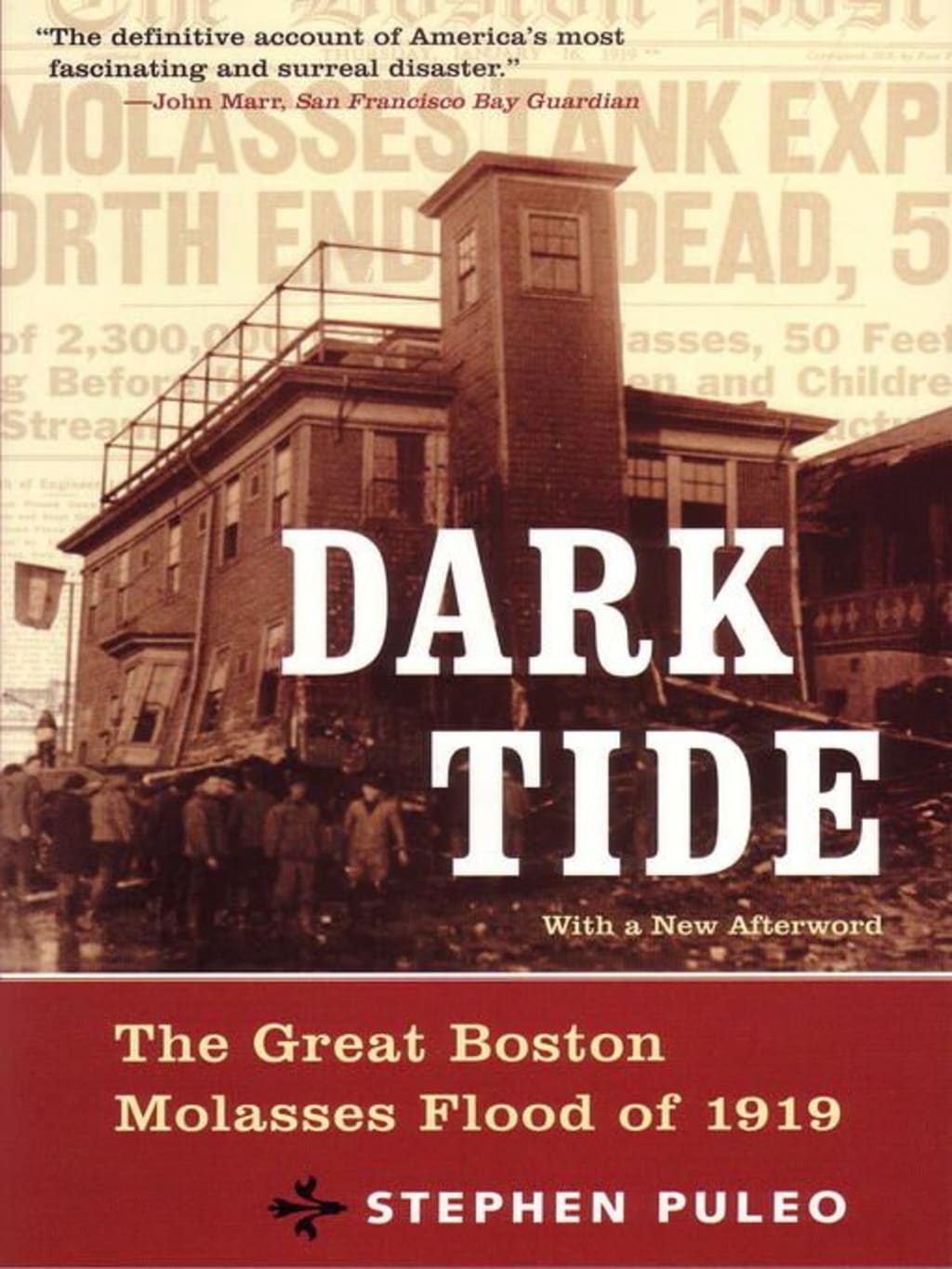
The Great Molasses Flood of 1919: Boston’s Sticky Disaster
Introduction
On January 15, 1919, one of the most bizarre and deadly industrial disasters in U.S. history struck Boston’s North End. A massive storage tank holding 2.3 million gallons of molasses suddenly burst, unleashing a 25-foot-high wave of sticky syrup that rushed through the streets at 35 mph. The Great Molasses Flood killed 21 people, injured 150, and caused widespread destruction.
This unusual catastrophe was more than just a freak accident—it exposed poor industrial safety standards, led to landmark legal battles, and left a lasting impact on engineering regulations. Over a century later, the event remains a cautionary tale about corporate negligence and the unexpected dangers of everyday materials.
1. The Backstory: Why Was There a Giant Molasses Tank in Boston?
A. Molasses in Early 20th-Century America
Molasses, a thick byproduct of sugar refining, was a crucial commodity in the 1910s. It was used for:
Producing rum (a major industry before Prohibition).
Making ethanol (used in munitions during World War I).
Livestock feed and sweeteners.
The United States Industrial Alcohol Company (USIA) owned the tank, which held molasses destined for ethanol production at a nearby distillery.
B. The Construction of the Tank (1915)
Built in 1915, the tank was 50 feet tall and 90 feet wide, holding up to 2.5 million gallons. From the start, it had problems:
Rushed construction (took only weeks to build).
Thin, weak steel walls (reportedly only 0.31 inches thick).
No proper safety inspections.
Leaks from day one—workers patched holes with paint rather than proper repairs.
Locals nicknamed it the "molasses tank" and joked about the constant dripping, but few realized how deadly it would become.
2. The Disaster: January 15, 1919
A. The Tank Collapses
At 12:40 PM, workers were loading molasses for a shipment when a loud metallic roar echoed through the North End. The tank’s rivets shot out like bullets, and the structure exploded. Witnesses later described the sound as a machine gun firing or thunder.
B. The Molasses Wave
A 15-to-25-foot-high wave of molasses surged outward at an estimated 35 mph, faster than a person could run. The sticky flood:
Smashed buildings, crushing the nearby firehouse.
Knocked a train off its tracks.
Swept people off their feet, trapping them in the viscous sludge.
Drowned victims who couldn’t escape the syrup’s suffocating grip.
C. Immediate Aftermath
21 dead (mostly workers and local residents, including children).
150 injured (many with broken bones or severe syrup burns).
Horses and dogs stuck in the molasses died before rescuers could free them.
Cleanup took weeks—saltwater hoses and sand were used to dissolve the mess.
Survivors reported that the smell of molasses lingered for decades, especially on hot summer days.
3. Why Did the Tank Fail?
A. Poor Construction & Negligence
Investigations revealed:
The tank was structurally unsound from the beginning.
USIA ignored warning signs, including leaks and groaning noises.
No engineer had properly inspected the design.
B. Unusual Weather Factors
The days before the disaster saw unseasonably warm temperatures after a cold spell.
Some experts believe fermenting molasses built up gas pressure inside the tank.
Others argue brittle steel in cold weather contributed to the rupture.
C. The Role of Corporate Greed
USIA had prioritized quick profits over safety, ignoring complaints from workers. Later lawsuits revealed they knew the tank was dangerous but did nothing.
4. The Legal Battle & Lasting Reforms
A. One of the First Class-Action Lawsuits
Victims and families sued USIA in a landmark case that lasted six years. The company blamed "anarchists" (claiming a bomb caused the rupture), but investigators proved negligence.
B. The Outcome (1925)
USIA was found liable and ordered to pay $628,000 (about $10 million today).
The case set a precedent for corporate responsibility in industrial accidents.
C. New Engineering & Safety Laws
The disaster led to stricter construction codes in Massachusetts, including:
Mandatory inspections of large tanks.
Engineering certification requirements.
Stronger materials standards.
These reforms influenced national industrial safety laws.
5. The Legacy of the Molasses Flood
A. Cultural Impact
Bostonians joked for years: "The North End smells like rum!"
The phrase "Slow as molasses" took on a dark new meaning.
The disaster appears in books, documentaries, and even a folk song.
B. Scientific Studies
Engineers still study the flood to understand fluid dynamics of viscous materials.
A 2014 study confirmed that cold temperatures made the steel brittle.
C. Memorials & Remembrance
A small plaque near the site commemorates the victims.
Every January 15, locals hold a moment of silence.
Conclusion: A Sticky Lesson in Industrial Safety
The Great Molasses Flood was a tragic mix of corporate negligence, poor engineering, and bad luck. Though bizarre, it had serious consequences—changing laws and reminding industries that cutting corners can be deadly.
Today, the disaster serves as a warning: even something as harmless as molasses can become a killer when greed overrides safety.
Do you want any additions like survivor stories or more in-depth technical analysis?
About the Creator
Keep reading
More stories from Silas Blackwood and writers in Horror and other communities.
The Catacombs of Paris
Introduction Beneath the bustling streets of Paris lies a hidden world of tunnels, crypts, and bones—the infamous Catacombs of Paris. This underground ossuary holds the remains of over six million people, making it one of the most macabre yet fascinating historical sites in the world. Originally limestone quarries, these subterranean passages were transformed into a massive burial ground in the late 18th century to address the city’s overflowing cemeteries.
By Silas Blackwood9 months ago in Horror
"Scream 7" (2026): Running out of Fresh Screams
This is the seventh time we’ve had a Ghostface crisis. Scream 7 is the latest edition of the Scream franchise. Sydney Prescott and her family are under attack by another anonymous killer dressed in a Ghostface costume. While having issues with her daughter, Tatum, they run from the bloody murders, trying to determine who is behind it all.
By Marielle Sabbag9 days ago in Horror
No, The Mothman Isn’t an Alien
Commentary A Lot of Things to a Lot of People The legendary Mothman has been a lot of things to a lot of people. And, in many respects, his mostly complex and evolving legend as a mythological creature made him one of the most unique and fascinating beings of his kind. That is until somebody – possibly a blogger on a cryptid or paranormal site – began to speculate that the Mothman is actually an alien.
By Dean Traylor7 days ago in Horror
Guard Your Battery
Why are some people so attractive just by standing there? It’s not because they are "likable," but because they don’t need everyone to like them. I realized later that truly charismatic people allow themselves to be criticized, but they never criticize themselves. They never try to please the world; instead, the world stops to watch them.
By Emily Chan - Life and love sharing6 days ago in Poets




Comments
There are no comments for this story
Be the first to respond and start the conversation.