tv review
TV reviews for horror aficionados; from vampire slayers to streamable spooks, explore horror-inducing television series from the discomfort of your living room.
The 25 Best Horror Books of the Last Decade - Vulture
Over the course of the past ten years, horror literature has experienced a renaissance, with authors pushing boundaries, fusing genres, and delivering fresh nightmares that last long after the final page. The last ten years have provided readers with some of the most chilling and original works in the genre, including psychological terrors, supernatural hauntings, and visceral body horror. Whether you're a longtime horror fan or a newcomer looking for a scare, this list compiles the 25 best horror books of the last decade—each one a standout in its own right.
By Silas Blackwood8 months ago in Horror
Spring-heeled Jack: The Mysterious Phantom of Victorian England (1837-1904)
Introduction Spring-heeled Jack is one of the most bizarre and enduring mysteries of Victorian England. This enigmatic figure terrorized London and the surrounding areas for decades. He was described as a terrifying supernatural being with glowing eyes, clawed hands, and the ability to leap incredible heights. Spring-heeled Jack's place in folklore has been established by eyewitness accounts, newspaper reports, and urban legends, blurring the lines between myth, widespread panic, and possible reality. This article explores the origins, reported sightings, theories, and cultural impact of Spring-heeled Jack, delving into why this strange figure continues to captivate the public imagination over a century after his last alleged appearance.
By Silas Blackwood8 months ago in Horror
The Princes in the Tower: A Historical Mystery of Medieval England
Introduction The fate of the Princes in the Tower—Edward V and his younger brother, Richard, Duke of York—is one of the most enduring and tragic mysteries in English history. These two boys, the sons of King Edward IV, disappeared in the summer of 1483 while under the protection of their uncle, Richard, Duke of Gloucester, who later became King Richard III. Their disappearance has fueled centuries of speculation, debate, and historical investigation. Were they murdered? By whom, if so? Did they escape and live in secret? The lack of definitive evidence has turned this case into one of history’s greatest unsolved crimes. This article explores the events leading up to their disappearance, the key suspects, and the various theories that historians have proposed over the centuries.
By Silas Blackwood8 months ago in Horror
The Pendle Witch Trials (1612)
Introduction The Pendle Witch Trials of 1612 remain one of the most infamous cases of witchcraft persecution in English history. The trials, which took place in England's Lancashire during a time of superstition, religious strife, and social unrest, resulted in the execution of ten people who were accused of witchcraft. The events were meticulously documented by the clerk of the court, Thomas Potts, in his book The Wonderfull Discoverie of Witches in the Countie of Lancaster, providing a chilling insight into 17th-century legal proceedings and societal fears. The Pendle Witch Trials, their key players, the allegations leveled against them, the trial itself, and the long-term effects of this tragic incident are the subject of this article. Context: Witchcraft in England in the 17th century Belief in witchcraft was widespread in early modern Europe, fueled by religious conflict, economic hardship, and fear of the supernatural. King James I's personal obsession with witchcraft is reflected in his book Daemonologie (1597), which makes practicing witchcraft a capital offense. The Pendle trials took place in Lancashire, a poor area with strong beliefs in folk magic and religious dissent (with Catholic sympathies despite Protestant rule). These factors created an environment ripe for accusations of witchcraft. The Accused: Families at the Heart of the Trials The Demdikes and the Chattoxes, two rival families led by elderly matriarchs reputed to be witches, were the primary focus of the Pendle Witch Trials. The Demdike Family Elizabeth Southerns, also known as "Old Demdike," was regarded as the region's most powerful witch. She was an elderly, blind widow. She allegedly taught witchcraft to her family. Elizabeth Device – Demdike’s daughter, accused of using witchcraft to kill multiple people. James Device – Elizabeth’s son, whose testimony under pressure implicated many others. Alizon Device – Elizabeth’s granddaughter, whose encounter with a peddler sparked the initial accusations. The Chattox Family Anne Whittle (aka "Old Chattox") – A rival of Demdike, accused of using witchcraft to harm others. Anne Redferne – Chattox’s daughter, accused of murder through witchcraft. Other accused individuals included Alice Nutter, an unusually wealthy woman whose involvement remains mysterious, and Jane Bulcock and her son John, who were caught up in the hysteria. The Beginning of the Trials: The Spark When Alizon Device met a peddler by the name of John Law in March 1612, the events that led to the trials began. After he refused to give her pins (possibly for use in folk magic), Alizon cursed him, and he subsequently suffered a stroke. Alizon admitted to the accusations made against her by Law's son and named members of her family and others in the plot. Authorities, led by Justice Roger Nowell, began arresting suspects. The accused were held in Lancaster Castle, where some, including James Device, provided damning confessions—likely under torture or coercion. The Infamous Meeting at Malkin Tower A key element of the prosecution’s case was a gathering at Malkin Tower, the Devices’ home, allegedly held on Good Friday, 1612. Witnesses claimed it was a witches’ meeting to plot the destruction of Lancaster Castle. Despite the possibility that it was simply a family gathering, this "evidence" was used to establish a conspiracy. The Trial: Justice and Injustice The trials took place in August 1612 at Lancaster Assizes, presided over by Sir Edward Bromley and Sir James Altham. The account by Thomas Potts reveals an extremely flawed legal procedure: Confessions Obtained Under Duress: Numerous "confessions" were most likely obtained through intimidation, torture, or lack of sleep. Use of Child Testimony – Jennet Device, Alizon’s nine-year-old sister, testified against her own family, sealing their fate. Spectral Evidence – Claims of supernatural harm were accepted without physical proof. Ten people were found guilty and hanged at Gallows Hill on August 20, 1612: Elizabeth Equipment James Device Anne Whittle (Chattox) Anne Redferne Alice Nutter Katherine Hewitt Bulcock, John Jane Bulcock Alizon Instrument Robey, Isobel While Margaret Pearson, one of the accused, was given a pillory rather than an execution, Old Demdike passed away in prison prior to the trial. Why Did the Pendle Witch Trials Happen? Several factors contributed to the witch hunt: Religious Tensions – Lancashire was seen as rebellious, with Catholic sympathies clashing with Protestant rule. Economic Hardship – The poor accused the poor, often over disputes or grudges. King James I’s Influence – His writings and laws encouraged witch hunts. Local Disputes: It's possible that the Demdike and Chattox families were the targets of personal resentment. Legacy of the Pendle Witch Trials The Pendle Witch Trials remain a symbol of injustice and mass hysteria. Scholars of today see them as a product of their time, shaped by fear, superstition, and brutality on the part of the law. Tourism & Memorials – Pendle Hill is now a tourist destination, with plaques and museums commemorating the victims. Cultural Impact – The trials have inspired books, plays, and TV shows, including The Lancashire Witches by William Harrison Ainsworth. Legal Reforms: As skepticism grew over time, the number of witch trials decreased, which led to the repeal of witchcraft laws in 1736. Conclusion The Pendle Witch Trials were a tragic example of how fear, superstition, and judicial corruption could lead to devastating consequences. The victims—mostly poor, marginalized individuals—were scapegoated in a society gripped by paranoia. Today, their story serves as a cautionary tale about the dangers of mass hysteria and the importance of fair justice.
By Silas Blackwood8 months ago in Horror
Bird Box by Josh Malerman: A Terrifying Exploration of Fear, Survival, and the Unknown
The Book That Changed the Face of Apocalyptic Horror Bird Box, Josh Malerman's debut novel, captivated horror readers in 2014 with its chilling depiction of a world where seeing is fatal. The book’s premise—an unseen force drives people to violent madness upon sight—captivated readers and later inspired the hit Netflix film starring Sandra Bullock. However, Bird Box is not simply a viral sensation. It’s a masterclass in psychological horror, blending relentless tension, deep character study, and existential dread. It is still one of the most influential horror novels of the 21st century, nearly ten years after it was published. In this deep dive, we’ll explore: The terrifying premise of Bird Box How Malerman crafts fear without showing the monster The novel’s themes of motherhood, trust, and survival Why Bird Box still haunts readers today The Hypothesis: In a world where looking is fatal, Malorie, a woman who lives in a post-apocalyptic world where anyone who sees an unknown entity is driven to homicidal rage, is the protagonist of the book. Survivors must blindfold themselves to stay alive, turning every outdoor journey into a nerve-wracking game of sound and memory. Malorie, along with two young children she calls only "Boy" and "Girl," embarks on a perilous river journey to a rumored safe haven. The problem? They must do it blindfolded. Why This Concept Works So Well The monster is never seen – By never describing the entity, Malerman forces readers to imagine something far worse than any visual could provide. Survival depends on vulnerability – Characters must willingly blind themselves, heightening tension in every scene. The fear is universal – Unlike zombies or plagues, this horror exploits a fundamental human instinct: the need to see. How Malerman Creates Fear: The Horror of the Unseen Bird Box's moderation is one of its greatest assets. Unlike many horror stories that rely on gore or jump scares, Malerman’s terror is psychological, built through: 1. Lack of Perception With characters blindfolded, every sound, touch, or whisper becomes a potential threat. Readers experience the world as Malorie does—uncertain, disoriented, and hyper-alert. 2. The Madness of Others Flashbacks reveal how society collapsed, with infected individuals describing beautiful visions before turning violent. The unseen force is made even more disconcerting by the contrast between wonder and horror. 3. The Paranoia of Trust In a world where opening your eyes could mean death, who can you rely on? The novel explores how fear erodes human connection, leading to betrayal and isolation. Themes: More Than Just a Monster Story While Bird Box is undeniably terrifying, its deeper themes elevate it beyond standard horror fare. 1. Motherhood and Survival Instinct Malorie’s journey is as much about protecting her children as it is about survival. Her decision to train Boy and Girl in extreme discipline—forcing them to rely on hearing alone—raises ethical questions about love and necessity in a broken world. 2. The Fragility of Sanity The infected don’t just die—they lose themselves in ecstatic visions before turning violent. This suggests that the entity doesn’t just kill; it reveals something horrifying about human nature. 3. The Fear of the Unknown By never explaining the creatures, Malerman taps into Lovecraftian horror—the idea that some truths are too terrible to comprehend. The novel’s power lies in what it doesn’t show. Comparing the Book to the Movie on Netflix The 2018 Netflix film brought Bird Box to a wider audience, but there are key differences: Aspect Novel Film Malorie’s Character More introspective, haunted More action-driven The entity was never described and was only briefly depicted (controversial). Ending Ambiguous, open to interpretation More concrete, hopeful While the film is effective, the book’s unseen horror and deeper psychological exploration make it a richer experience. Why Bird Box Still Haunts Readers Today 1. It appears strangely plausible. In a post-pandemic world, the idea of an invisible, unstoppable threat resonates more than ever. The themes of survival, isolation, and false information come across as unsettlingly familiar. 2. The Horror Lingers Because the monster is never seen, readers keep imagining it long after finishing the book. This lingering dread is a hallmark of great horror. 3. It Reinvents Apocalyptic Fiction Unlike zombie or virus stories, Bird Box presents a threat that can’t be fought, only avoided. This makes survival feel even more desperate. Final Verdict: A Modern Horror Classic Bird Box isn’t just a scary story—it’s a brilliant exploration of fear itself. By forcing characters (and readers) to confront the unknown, Malerman crafts a horror novel that’s as thought-provoking as it is terrifying. Have you read Bird Box? Could you survive blindfolded?
By Silas Blackwood8 months ago in Horror
The Terrifying Pandemic Horror Twist in Your Shadow Half Remains
How Sunny Moraine’s Novel Reinvents Apocalyptic Fear In an era still reeling from real-world pandemics, horror fiction has evolved to reflect our deepest anxieties—not just about disease, but about the collapse of human connection. Sunny Moraine’s Your Shadow Half Remains (February 2024) takes pandemic horror to a chilling new level with a simple, devastating premise: what if eye contact made people violently insane? This is not another Bird Box imitation. Moraine’s novel strips survival horror down to its most primal fear—the inability to trust anyone, even yourself—and crafts a claustrophobic, psychological nightmare that lingers long after the last page. In this deep dive, we’ll explore: The terrifying premise of Your Shadow Half Remains How it differs from other horror stories about pandemics The real-world fears it exploits Why this could be 2024’s most unsettling horror novel
By Silas Blackwood8 months ago in Horror
The Black River Orphan: A Cursed River in New England in the 19th Century
Introduction In the shadowy corners of 19th-century New England folklore, few tales are as chilling as that of The Black River Orphan—a cursed river said to whisper the names of the drowned and lure the unwary to their doom. This spectral waterway, shrouded in Puritan guilt and whispered legends, embodies the region’s deep-rooted fears of the supernatural and the unresolved sins of the past. This article explores the origins of The Black River Orphan, its ties to historical anxieties, and its lasting influence on horror literature. We’ll examine: The real-life New England history that shaped the legend Tragic drownings, eerie apparitions, and forbidden rituals are all part of The River's Curse. Puritanical Dread: Why 19th-century New England was a good place for these kinds of stories Literary Legacy – How the curse echoes in modern horror.
By Silas Blackwood8 months ago in Horror
Even More Facts That Will Melt Your Brain (Part 2)
10 More MIND-BLOWING Facts You Weren’t Taught in School (Part 2)If Part 1 left you scratching your head in amazement, get ready to take that brain-scratching to a whole new level. Our world—and the universe it floats in—is packed with bizarre truths, hidden gems of knowledge, and scientific oddities so strange they feel like fiction. Yet they’re all real. Let’s dive into another set of weird and wonderful facts they definitely didn’t cover in class.
By Haroon Bahramzai8 months ago in Horror
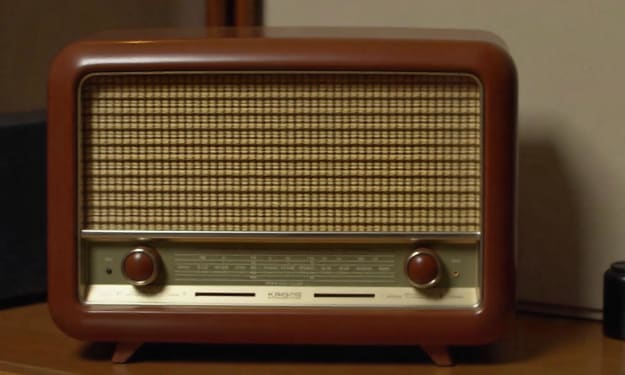
The Old Radio That Only Played at 3 AM
Introduction Imagine waking up at exactly 3 AM to hear an old, crackling radio turning on by itself. But the eerie part? This radio never plays any sound before or after that specific hour. Sounds like a ghost story? Well, many believe it is. In this article, we will explore the mystery behind an old radio that only plays at 3 AM — diving into folklore, psychological theories, and the impact of such phenomena on people’s minds.
By AIM SOCIETY8 months ago in Horror
Elias Witherow's The Black Farm, 2025 Expanded Edition
Introduction Since its initial release, The Black Farm by Elias Witherow has been a cult favorite among horror fans because of its grotesque imagery, psychological torture, and unrelenting brutality. With the 2025 Expanded Edition, Witherow has reworked his ghastly creation once more, adding new terror layers, more lore, and even more visceral storytelling. The expanded edition of The Black Farm is the subject of this article, which examines its themes, new content, and the reasons why it continues to be one of the most terrifying horror novels ever written. How does The Black Farm work? For those who aren't familiar, Nick and Jess is a horror novel about a couple who kills themselves together and wake up in the dreadful afterlife known as the Black Farm. The Pig God, a monstrous deity who thrives on suffering, is in charge of this realm. The Farm is a place where the damned suffer incessantly as they are mutilated, harvested, and subjected to unimaginable horrors. Nick embarks on a terrifying journey through the Farm in an effort to flee, encountering other lost souls, ethereal monsters, and the constant threat of the Pig God's wrath. The original novel was praised for its unflinching depiction of despair, emotional depth, and relentless brutality. What's New in the 2025 Expanded Edition? Not only is the 2025 Expanded Edition a reprint, but it also significantly expands on the original story. Witherow has completed:
By Silas Blackwood8 months ago in Horror
The Scariest Horror Stories You’ve Never Read
Unearthing Forgotten and Overlooked Tales of Terror By [Mehedi Hasan] | The New Yorker Horror fiction has long been a staple of literary terror, with names like Edgar Allan Poe, H.P. Lovecraft, and Shirley Jackson dominating the conversation. But lurking in the shadows of obscurity are chilling tales that have slipped through the cracks—stories so unsettling that they’ve been forgotten, suppressed, or simply overlooked. In this deep dive into the macabre, we uncover some of the scariest horror stories you’ve likely never read. These are not the usual suspects from The Tell-Tale Heart or The Lottery, but rather obscure, bizarre, and deeply disturbing works that deserve a second look—if you dare.
By Silas Blackwood8 months ago in Horror
The female horror film audience : viewing pleasures and fan practices. Part: 01
29 March, 1999 Abstract The Female Horror Film Audience: Viewing Pleasures and Fan Practices What is at stake for female fans and followers of horror cinema? This study explores the pleasures in horror film viewing for female members of the audience. The findings presented here confirm that female viewers of horror do not refuse to look but actively enjoy horror films and read such films in feminine ways. Part 1 of this thesis suggests that questions about the female viewer and her consumption of the horror film cannot be answered solely by a consideration of the text-reader relationship or by theoretical models of spectatorship and identification. A profile of female horror film fans and followers can therefore be developed only through an audience study. Part 2 presents a profile of female horror fans and followers. The participants in the study were largely drawn from the memberships of horror fan groups and from the readerships of a cross-section of professional and fan horror magazines. Qualitative data were collected through focus groups, interviews, open-ended questions included in the questionnaire and through the ommunication of opinions and experiences in letters and other written material. Part 3 sheds light on the modes of interpretation and attempts to position the female viewers as active consumers of horror films. This study concludes with a model of the female horror film viewer which points towards areas of female horror film spectatorship which require further analysis. The value of investigating the invisible experiences of women with popular culture is demonstrated by the very large proportion of respondents who expressed their delight and thanks in having an opportunity to speak about their experiences. This study of female horror film viewers allows the voice of an otherwise marginalised and invisible audience to be heard, their experiences recorded, the possibilities for resistance explored, and the
By Silas Blackwood8 months ago in Horror