
Spirits and Ghosts of Kokan Culture: Part 1
The Enigma Of Chakwa
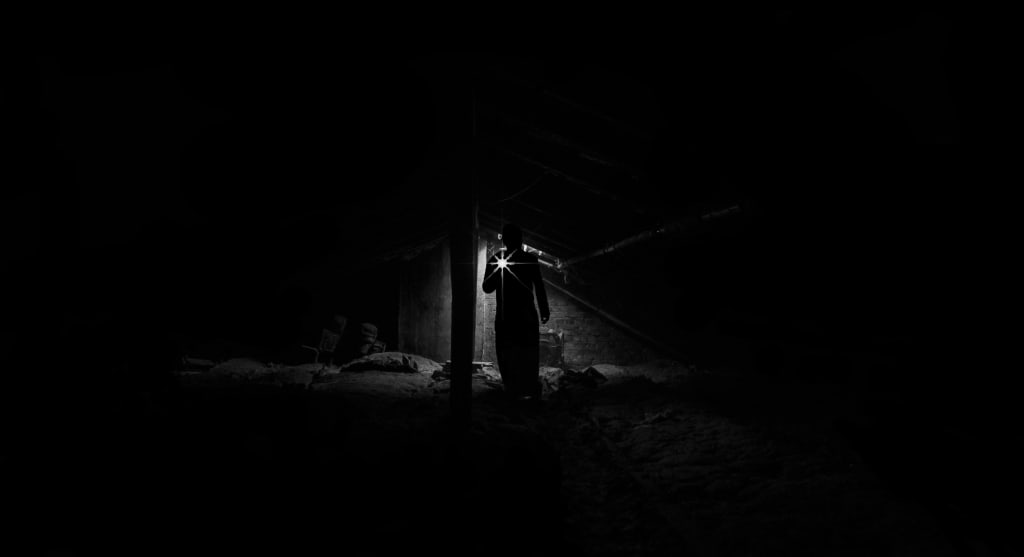
The Konkan region, stretching along the western coast of India, is a land rich in cultural heritage, scenic beauty, and folklore. Among its many tales and legends, the stories of spirits and ghosts hold a significant place, capturing the imagination of locals and visitors alike. One such enigmatic spirit is the Chakwa, a supernatural entity that continues to intrigue and frighten those familiar with its lore.
The Konkan Region: A Brief Overview
The Konkan region, encompassing parts of Maharashtra, Goa, and Karnataka, is known for its lush green landscapes, pristine beaches, and historical significance. The culture of Konkan is a blend of Hindu, Muslim, and Christian traditions, which is reflected in its festivals, cuisine, and daily life. Folklore and oral traditions form an essential part of the cultural fabric, with numerous stories about spirits, gods, and legendary heroes passed down through generations.
The Legend of Chakwa
Chakwa is one of the most feared and talked-about spirits in Konkan folklore. Described as a malevolent ghost, Chakwa is believed to roam the countryside, often near water bodies or in dense forests. The origins of Chakwa are shrouded in mystery, with various interpretations and versions of the story existing across different villages.
Characteristics of Chakwa
- Appearance Chakwa is often described as a ghostly figure with an eerie, glowing presence. Some accounts depict it as a floating light or a shadowy form, while others describe it as a humanoid figure with piercing eyes that can paralyze those who look into them. The diverse descriptions add to the mystique of Chakwa, making it a versatile entity in local folklore.
- Behavior The Chakwa is known to lure unsuspecting travelers, particularly those who venture out at night. It is said to mislead people by creating illusions, making them lose their way. In some stories, the Chakwa is believed to possess the ability to shape-shift, taking on different forms to deceive its victims. This deceptive nature of the Chakwa adds an element of unpredictability and fear to the legend, as it can appear in various forms and lead people astray.
- Haunting Grounds The spirit is commonly associated with specific locations, such as abandoned houses, old wells, and dense forests. These areas are often avoided by locals after dark, as they are considered to be haunted by the Chakwa. The connection to particular locations also ties the legend to the physical landscape of the Konkan region, reinforcing the cultural and environmental context in which these stories are told.
Cultural Significance
The legend of Chakwa serves multiple purposes within the Konkan culture. On one hand, it is a cautionary tale, warning people, especially children, to avoid certain areas and to be cautious while traveling at night. This practical aspect of the legend helps in enforcing social norms and safety measures in the community.
On the other hand, it reflects the region's deep connection with nature and the supernatural, illustrating the belief that spirits and otherworldly beings inhabit the same spaces as humans. This belief system showcases the intricate relationship between the physical and spiritual worlds in Konkan culture, where natural elements and supernatural entities coexist and interact.
Modern Interpretations
In contemporary times, the legend of Chakwa continues to be a part of Konkan's rich tapestry of folklore. While modernity and rational thinking have led some to dismiss such tales as mere superstition, many still hold a deep-seated respect and fear for the spirit. The persistence of the Chakwa legend in modern times highlights the enduring power of folklore and its ability to adapt to changing social and cultural contexts.
The Chakwa has also found its way into popular culture, featuring in local literature, plays, and even in discussions among enthusiasts of the paranormal. This contemporary relevance of the Chakwa legend indicates its role in shaping local identity and cultural heritage. It also demonstrates how folklore can serve as a source of entertainment, education, and cultural continuity.
Conclusion
The story of Chakwa is a fascinating example of how folklore and the supernatural are intertwined with the everyday life and culture of the Konkan region. Whether viewed as a mere myth or a genuine supernatural entity, the Chakwa remains an integral part of Konkan's rich heritage, reminding us of the power of stories and the mysteries that continue to captivate the human imagination.
The legend of Chakwa, with its multifaceted interpretations and cultural significance, serves as a testament to the enduring nature of folklore and its ability to influence and reflect societal values and beliefs. It is a vivid reminder of the richness of Konkan's cultural landscape and the timeless allure of its stories. As long as these tales are told, the spirit of Chakwa will continue to haunt the imaginations of those who hear it, bridging the gap between the past and the present, the natural and the supernatural.
About the Creator
Keep reading
More stories from writers in Horror and other communities.
Marine dark waves: The consequences of a dark bottom
The seafloor loses light nearly overnight, and coastal water can occasionally change from clear to hazy. Scientists can evaluate the timing, duration, and intensity of these underwater blackouts across regions thanks to a novel surveillance system. These blackouts can swiftly damage kelp and seagrass.
By Francis Damia day ago in Horror
Affection and Healing for Yourself
During the night of the last quarter moon, I gathered my ritual supplies. I carefully handled the chunk of black tourmaline that would protect me from your overall negative and narcissistic energy. I carefully walked the house with my stick of selenite in hand, asking the universe to cleanse our working space.
By Alisha Wilkins ✒️🦋🖋️7 days ago in Fiction


Comments
There are no comments for this story
Be the first to respond and start the conversation.