
Should Kids Watch Horror Movies?
I suppose if my question is "can kids see a scary movie",I would have said "yes,if they really want to".


Horror movies are known for delivering intense scares, suspenseful atmospheres, and sometimes graphic visuals that can have a lasting impact. Given the potential psychological and emotional effects, the appropriateness of horror for young viewers is a nuanced issue that depends on factors like age, maturity, and the nature of the film itself. Let’s explore the potential pros and cons of kids watching horror movies.
The Psychological Impact of Horror on Children
Horror movies are created to scare, unsettle, and disturb—emotions that children, especially younger ones, may struggle to process. According to developmental psychologists, children’s brains are still developing, and they may lack the capacity to distinguish between fiction and reality as fully as adults do. As a result, intense horror scenes can feel overwhelmingly real to them, triggering feelings of fear, confusion, and distress that can linger. For example, studies have shown that children who view frightening media can develop nightmares, separation anxiety, and sleep disturbances, some of which can persist for years.
For younger children, who often don’t yet understand concepts like death, ghosts, or supernatural evil, exposure to horror can even alter their sense of safety and security. Seeing violence, danger, or terrifying supernatural entities may leave them feeling vulnerable, affecting their confidence and even their ability to sleep alone or spend time in the dark. These effects underscore the importance of considering a child’s age and developmental stage when deciding whether horror movies are appropriate.
Potential Benefits: Facing Fears in a Controlled Environment
Despite the concerns, some argue that horror movies, when age-appropriate, can provide a safe environment for older children to explore and understand fear. By viewing horror in a controlled setting (such as at home with a parent or in a theater), children can learn that fear is a manageable emotion, which may help build resilience. Through horror movies, children might begin to confront and understand their fears, developing coping skills that can be valuable when facing other challenges in life. In fact, some research suggests that children who enjoy horror might feel empowered after watching because they’ve faced a terrifying situation and seen characters survive or overcome adversity.
Furthermore, horror movies can open discussions about difficult subjects. Movies that deal with themes of loss, friendship, bravery, or family conflict—common in many horror plots—can offer teachable moments. For example, films like Coraline or Monster House explore family relationships, bravery, and personal growth in ways that can be both engaging and relatable to children. These narratives are crafted to be spooky yet not overwhelming, allowing young audiences to safely experience suspense and mild scares while learning valuable lessons.
Age-Appropriateness and Choosing the Right Films
Not all horror movies are created equal. Some are incredibly violent and graphic, designed to frighten mature audiences with disturbing visuals or themes that are entirely inappropriate for children. However, there are many horror films, often in the genre of “horror-lite” or “family-friendly horror,” that are specifically crafted for younger audiences. Movies like Goosebumps, Hocus Pocus, The Addams Family, and ParaNorman offer a balance of light-hearted scares, humor, and moral lessons. These films avoid graphic violence and focus on themes of friendship, bravery, and the importance of family. Choosing age-appropriate films is crucial to ensuring that children can enjoy the thrill of horror without being exposed to traumatizing content.
Parents can use rating systems, such as those from the Motion Picture Association, which provide guidance on what age group a film is suitable for. Additionally, reading reviews and content summaries can help parents gauge whether a film’s level of suspense, violence, or supernatural elements is appropriate for their child’s maturity level. The aim should be to select movies that offer a spooky, enjoyable experience without overwhelming the child’s emotional boundaries.
The Importance of Parental Guidance
If a child expresses an interest in watching horror movies, it’s essential for parents to discuss what they might expect, monitor their reactions, and provide comfort if they become scared or unsettled. Parents should be ready to explain that what’s happening on screen is fictional and, if necessary, remind them that special effects, costumes, and makeup create the scares. Watching a scary movie together allows parents to address any distress and helps children feel safe while exploring a new experience.
Furthermore, parents who observe signs of lingering anxiety or behavioral changes, like nightmares or avoidance behaviors after watching horror, should be willing to limit exposure to this genre. Children’s responses to horror vary greatly; while one child may find Beetlejuice funny and thrilling, another might find it terrifying. Therefore, it’s essential for parents to remain vigilant about how their child responds and adjust accordingly.
When Horror Can Be Harmful
For some children, horror movies can do more harm than good. Children who are particularly sensitive or anxious may find horror movies traumatizing rather than exciting, causing undue stress and affecting their mental well-being. Graphic imagery or themes of death, harm, or supernatural danger can create phobias or reinforce fears that are hard to unlearn. In such cases, the negatives likely outweigh the positives, and it might be best to delay exposure to horror until the child is older and better equipped to handle it.
Conclusion: Balancing Thrill and Emotional Well-Being
In the debate over whether kids should watch horror movies, the answer isn’t one-size-fits-all. While horror can offer opportunities for personal growth, thrill, and family bonding, it also has the potential to frighten or disturb. As with any genre, the key is to consider the individual child’s maturity, temperament, and readiness. Age-appropriate horror movies can be a fun way to engage with fears, but it’s up to parents to ensure that the experience is constructive and not traumatizing. By choosing the right films, setting boundaries, and offering support, parents can help children explore the thrill of horror safely and enjoyably.
About the Creator
Badhan Sen
Myself Badhan, I am a professional writer.I like to share some stories with my friends.
Keep reading
More stories from Badhan Sen and writers in Horror and other communities.
The First Horror Movie We Have Ever Watched
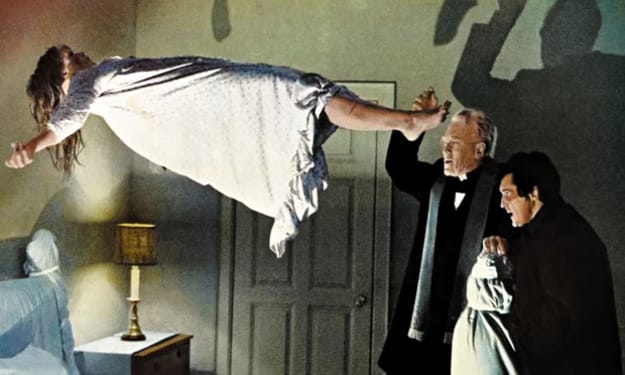
Reflecting on the very first horror movie I watched feels like opening the door to a memory vault lined with equal parts nostalgia and unease. Many horror fans vividly remember their first encounter with the genre, as it often leaves an indelible mark that shapes the way we view fear, thrill, and excitement. For me, my introduction to horror was with The Exorcist (1973), a film that didn’t just scratch the surface of fear but delved deep into themes of evil, innocence lost, and the supernatural. This particular movie didn't just frighten me—it profoundly shaped my perception of horror and remains one of the most impactful cinematic experiences I’ve ever had.
By Badhan Senabout a year ago in Horror
How Bludworth Survived Death?
In Final Destination films, Bludworth (played by Tony Todd) was known to be the "Grim Reaper" and the Coroner of the film series. Bludworth has been an expert on Death giving advice on how to escape from Death that was until the Final Destination: Bloodlines, which would be Todd's final performance, Todd's character William John Bludworth (his full name) actually escaped Death decades ago at the Sky View where he was supposed to die along with his mother who was the singer of the band at the Skyview. During the until Iris who was in her 20s (played by Brec Bassinger) who had a Premonition that everyone is going to die on the Skyview, she stops the performance just to saving everyones lives including Bludworth. In the Final Destination: Bloodlines, Iris (played by Gabrielle Rose) now at old age, dying of cancer in hiding away from had two grown children who have their own children. One of their children, Stefani (played by Kaitlyn Santa Juana) had the same premonition met with Iris. Iris was living in a gated solitary home away from the outside world. Iris gives Stefani a book that shows who will die next and information on what happened after the SkyView to save their family before accepting Death's fate. After her death, Iris's son (played by Alex Zahara) dies next and Stefani's cousin (played by Anna Lore) which made Stefani get depth with Grandma Iris's book.
By Gladys W. Muturi5 days ago in Horror


Comments (2)
I work with adults with ID. Where it is their right to watch what they want, I often feel some may benefit from guidance, reassurance, and open dialogue in this area.
Well it depends , I know one friend of mine who is now on steroids due to watching excessive horror movies. Whereas there are people who are just fine...