
Salem WITCH Trials 1692: Hysteria, Hangings, and Hexes
A strange mark, a bitter neighbor, or a random rumor could be all it took to send someone to the gallows.

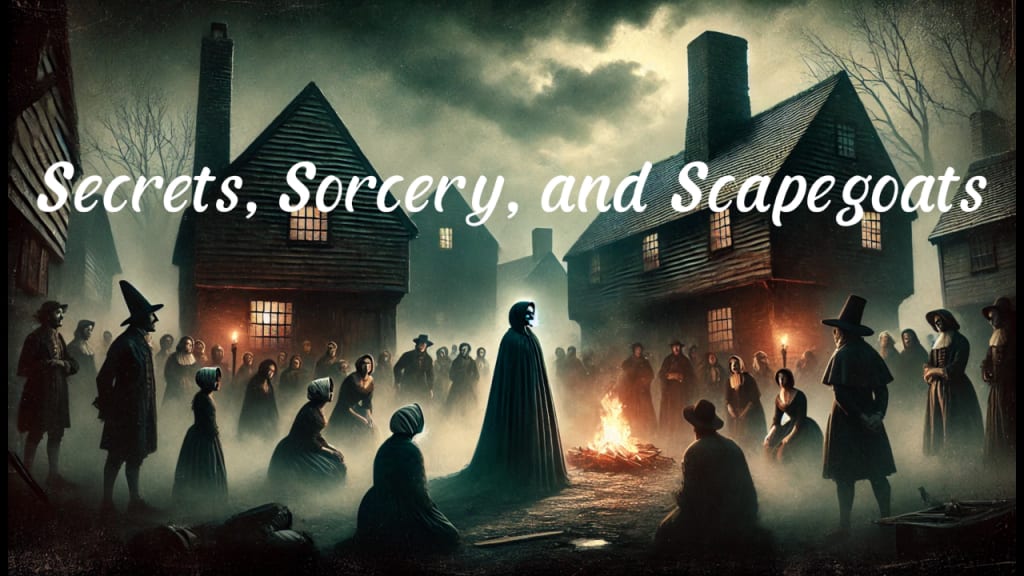
In 1692, Salem, Massachusetts, was about to become the epicenter of one of history’s most outrageous spectacles. A small, Puritan town already frazzled by harsh winters, intense religious fervor, and the occasional Native American raid suddenly lost its mind over witchcraft. Not real witches—just a few unlucky villagers who were accused of consorting with the Devil. What followed was a chaotic storm of mass hysteria, courtroom drama, and public executions that forever branded Salem as the birthplace of the most infamous witch hunts in history.
And the truly wild part? There were no witches involved—just ordinary people, ensnared by grudges, paranoia, and a whole lot of bad luck. A strange mark, a bitter neighbor, or a random rumor could be all it took to send someone to the gallows.
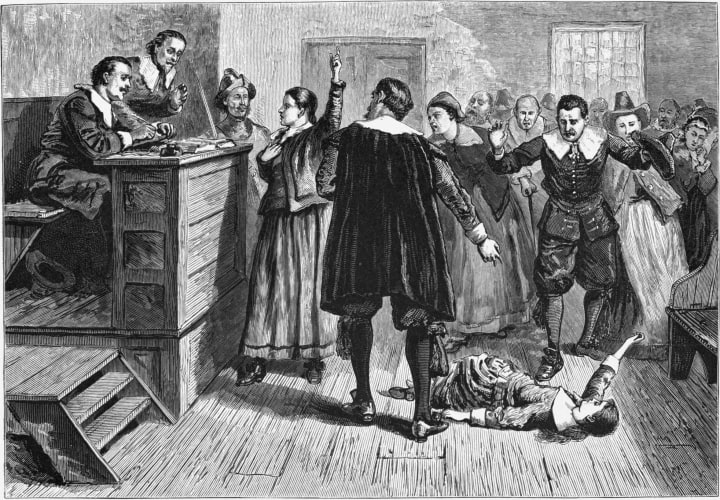
The Spark That Ignited the Witch Hunt
It all started innocently enough in January 1692 when two young girls—Betty Parris and Abigail Williams—began having "fits." They screamed, contorted their bodies, and complained of mysterious pinches and bites. Naturally, the villagers didn’t think, Maybe they’re sick or Maybe they’re bored. Instead, the consensus was clear: witchcraft.
The local doctor, unable to find a medical explanation, declared it “the Evil Hand.” Because diagnosing an actual illness would’ve been too easy, right? Soon, other girls in the village began exhibiting similar symptoms, and the Puritans’ imaginations ran wild. Someone had to be responsible for this devilry.
Accusations Fly Faster Than a Witch’s Broomstick
The first accused were three women who couldn’t have been more Salem-unfriendly if they tried:
- Tituba, an enslaved woman who was likely just trying to survive.
- Sarah Good, a homeless beggar with a sour attitude (because life hadn’t exactly been kind to her).
- Sarah Osborne, a woman who dared to marry a servant and skip church. Scandalous!
All three were social outcasts, making them easy targets. Under pressure, Tituba confessed, weaving a wild tale of witchy conspiracies and deals with the Devil. This fanned the flames, and before long, accusations spread like wildfire.
Neighbors accused neighbors, children accused parents, and even a former minister wasn’t safe. Got a beef with someone? Accuse them of witchcraft! It was like a 17th-century Yelp review but with significantly worse consequences.
Courtroom Chaos: Trials by Gossip and Guesswork
The trials themselves were the stuff of melodrama. Evidence included “spectral sightings” (claims that the accused’s ghostly form tormented people) and “witch cakes” (a bizarre ritual involving urine and rye bread fed to a dog). Science, as you can tell, was taking the day off.
If someone denied being a witch, that was suspicious. If they confessed, they were tortured until they implicated someone else. Basically, there was no winning. And if you had the audacity to question the validity of the accusations, guess what? Now you were a suspect.
Between June and September of 1692, the hysteria reached its peak. Twenty people were executed—nineteen by hanging and one, Giles Corey, by being pressed to death with heavy stones. His legendary last words? “More weight.” That’s Puritan for, “Go ahead and make my day.”
Why Did This Happen?
What Really Happened in Salem 300 Years Ago?
Historians have scratched their heads over this one for centuries. Here are some possible explanations:
- Religious Zealotry: The Puritans were deeply religious and believed the Devil was always lurking.
- Politics and Grudges: Many accusations stemmed from petty disputes or land feuds. If you didn’t like your neighbor, witchcraft was a convenient accusation.
- Mass Hysteria: Fear is contagious, and Salem’s residents spiraled into collective paranoia.
- Ergot Poisoning: Some theories suggest a fungus in the grain supply may have caused hallucinations. So, bad bread might’ve sparked the witch craze.
Salem Today: A Tourist Trap With a Spooky Side
Centuries later, the Salem Witch Trials remain a chilling reminder of what happens when fear overrides reason. Salem has since leaned into its spooky reputation, becoming a hotspot for Halloween enthusiasts, history buffs, and anyone who loves a good ghost tour.
The town features museums, reenactments, and memorials dedicated to the victims. You can even visit the Witch House, the home of one of the judges, if you’re into standing in a place where very bad decisions were made.
Lessons From Salem: Keep Calm and Don’t Burn Your Neighbors
The Salem Witch Trials remind us how dangerous hysteria can be. In 1692, it led to innocent people being condemned by nothing more than gossip and superstition.
Today, Salem thrives on the intrigue of its past while honoring the lives lost to its dark chapter. And while we may chuckle at the absurdity of some of the accusations, the trials serve as a sobering lesson in the importance of reason, evidence, and maybe just chilling out.
So the next time someone accuses you of witchcraft—or, more likely, something less medieval—take a breath and remember Salem: proof that cooler heads should prevail.
About the Creator
Keep reading
More stories from Marveline Merab and writers in Horror and other communities.
The Princes in the Tower Mystery: England's Most Intriguing Royal Whodunnit
In 1483, two young princes, Edward V and Richard of Shrewsbury, Duke of York, vanished from the Tower of London under mysterious circumstances. What happened to these two boys? Were they victims of foul play, hidden away by someone with a taste for intrigue, or did they just decide to take an unscheduled break from royal life?
By Marveline Merababout a year ago in Horror
How to Succeed at the Benson Directory®
Congratulations and welcome to the Benson Directory® employee #22391! As our newest call handler, you will have the privilege of speaking with dozens of unique and interesting people on a daily basis as well as the opportunity to earn bonuses for high performance. Contained within this handbook you will find a set of ease to follow instructions designed to help you settle in to your new role and begin paving the way to success.
By S. A. Crawforda day ago in Fiction



Comments
There are no comments for this story
Be the first to respond and start the conversation.