
Nightmare on Elm Street saga: its powerful influence on the horror genre
Nightmare Elm Street celebrates 40 years since its premiere and its story continues to fascinate everyone

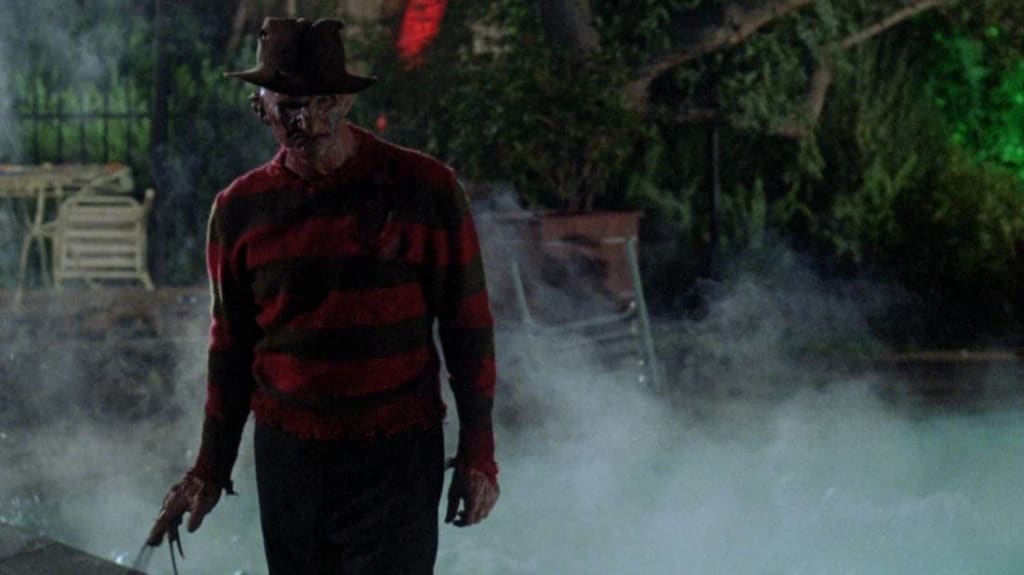
This year marks the 40th anniversary of the release of the horror film Nightmare on Elm Street, which gave birth to a saga that greatly influenced the genre and strongly impacted the culture of the time. The influence continues to this day, as this movie is a source of inspiration for many writers and filmmakers.
The Nightmare on Elm Street franchise, created by Wes Craven, has become a significant part of horror cinema since its inception in 1984. The series revolves around the character Freddy Krueger, a vengeful spirit who attacks teenagers in their dreams, leading to their deaths in reality. This analysis explores the cultural, thematic, and narrative elements of the franchise, focusing on its evolution through various sequels and its impact on popular culture.
## The Original Film: A Nightmare on Elm Street (1984)
The original film, directed by Wes Craven, introduced audiences to Freddy Krueger, portrayed by Robert Englund. Krueger is a child murderer who was burned alive by the parents of his victims after being released on a technicality. The film's narrative intertwines the themes of parental guilt, repression, and the blurred lines between reality and dreams, reflecting the anxieties of the 1980s in America.
## Cultural Context
Craven's work can be seen as a commentary on the socio-political climate of the 1980s, characterized by conservative values and a growing fear of the unknown. The film's portrayal of a monster that invades the subconscious taps into collective fears about safety, particularly for children. The character of Freddy serves as a symbol of these fears, representing the darker aspects of parental authority and societal norms[.
## Narrative Structure
The narrative follows Nancy Thompson (Heather Langenkamp), who discovers that the only way to defeat Freddy is to confront him in the dream world. This theme of empowerment through confrontation resonates with audiences, as Nancy transforms from a victim into a fighter. The film's climax, where Nancy turns her back on Freddy, signifies a rejection of fear and the reclaiming of agency.
## Sequels and Their Evolution
The franchise expanded rapidly, producing several sequels that varied in tone and style.
## A Nightmare on Elm Street 2: Freddy's Revenge (1985)
This sequel shifts focus to Jesse Walsh (Mark Patton), who becomes Freddy's new host. The film explores themes of identity and sexuality, particularly through Jesse's struggles with his own fears and desires. However, it received mixed reviews for its departure from the original's formula and its perceived lack of coherence.
## A Nightmare on Elm Street 3: Dream Warriors (1987)
Often regarded as one of the best sequels, "Dream Warriors" reintroduces Nancy as a character who helps a group of teenagers fight Freddy. This installment embraces a more fantastical approach, allowing characters to manipulate their dream environments. The film's creative deaths and character development marked a return to form, blending horror with elements of empowerment and camaraderie among the characters.
## Subsequent Films
The series continued with "The Dream Master" (1988), "The Dream Child" (1989), and "Freddy's Dead: The Final Nightmare" (1991), each contributing to the mythology of Freddy Krueger while experimenting with different narrative styles and tones. The films often oscillated between horror and humor, with Freddy becoming more of a pop culture icon, known for his one-liners and darkly comedic persona.
## Wes Craven's New Nightmare (1994)
In "Wes Craven's New Nightmare," the franchise took a meta approach, blurring the lines between fiction and reality. Craven revisited the character of Freddy, positioning him as a manifestation of the fears surrounding the filmmaking process itself. This film is notable for its self-referential commentary and is often viewed as a precursor to the modern trend of meta-horror films.
## Cultural Impact and Legacy
The Nightmare on Elm Street saga has left an indelible mark on horror cinema and popular culture. Freddy Krueger has become an iconic figure, symbolizing the fears of the subconscious and the complexities of parental relationships. The franchise has inspired numerous adaptations, merchandise, and even a television series, reflecting its enduring appeal.
## Themes and Analysis
The series explores various themes, including:
- Parental Guilt and Authority:** The films often depict parents as figures of authority who fail to protect their children, leading to a cycle of violence and retribution.
- Dreams vs. Reality:The blurring of dreams and reality serves as a metaphor for the struggles of adolescence, highlighting the fears and anxieties that accompany growing up.
- Empowerment: Central characters, particularly Nancy, embody the theme of empowerment, showcasing the importance of confronting one's fears to reclaim agency.
##Final thoughts
The Nightmare on Elm Street saga is a complex interplay of horror, cultural commentary, and character development. From its inception in 1984 to its various sequels and reboots, the franchise has evolved while maintaining its core themes. Freddy Krueger's legacy as a horror icon endures, reflecting the fears and anxieties of multiple generations.
About the Creator
Ninfa Galeano
Journalist. Content Creator. Media Lover. Geek. LGBTQ+.
Visit eeriecast ,where you'll find anonymous horror stories from all over the world. Causing insomnia since 2023.
Keep reading
More stories from Ninfa Galeano and writers in Horror and other communities.
24 micro horror stories to make you faint from fear
Well-written horror doesn't need a lot of words, but good ideas. Below, 24 micro horror stories that you can find in various internet forums and on social networks such as Facebook, YouTube and Reddit, among others. The authors of these micro-stories prefer to remain anonymous.
By Ninfa Galeanoabout a year ago in Horror


Comments
There are no comments for this story
Be the first to respond and start the conversation.