
Names of Honor and the Tragedy in Balochistan
A Reflection on the Cultural Code of Honor Amid the Killing of Mian’s Wife

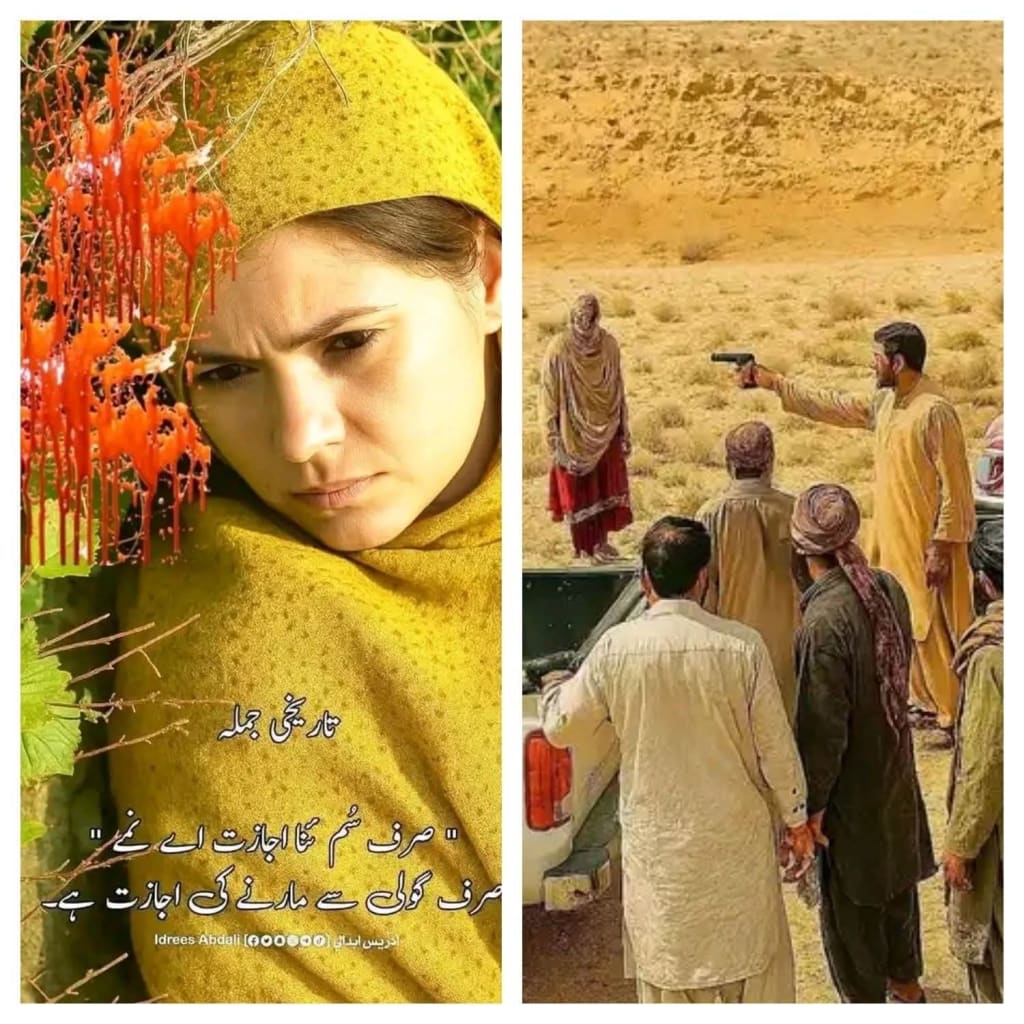
Balochistan’s Names of Honor and a Recent Tragedy
Balochistan, a region rich in tradition and steeped in tribal values, has long upheld a cultural system that places honor—ghairat—at the core of personal and social identity. Within this code, the concept of “name” (naal) or honor (izzat) often determines an individual's reputation, familial pride, and community standing. However, the weight of this honor can, and often does, lead to tragic consequences.
Yesterday, the wife of a man referred to as Mian was killed in what many believe to be another sorrowful case tied to honor. Though full details are still emerging, early reports suggest the killing was driven by accusations related to the so-called “violation of family honor.” Her name is being withheld out of respect and safety for surviving relatives.
This tragic event adds to a growing list of women whose lives are cut short in the name of tribal customs that see their behavior, whether real or rumored, as a reflection of a family's dignity.
The Concept of "Names of Honor"
In Baloch culture, particularly in rural and tribal areas, honor is an inherited and sacred value. Men and women alike are raised with the understanding that any action deemed shameful can bring dishonor not only to themselves but to their entire tribe. This sense of collective shame often becomes a trigger for severe, and sometimes violent, reactions.
There are terms within Balochi and regional languages that reflect this deeply ingrained mindset. Words like ghairat (honor), sharam (shame), and badnami (disgrace) carry immense social weight. In many cases, these ideas are used to justify acts of control over women’s lives—including whom they can speak to, where they can go, and how they behave.
While some communities are moving toward change, many still believe that restoring lost honor requires an act of punishment or retribution. Tragically, that punishment is often directed at women, regardless of their consent, actions, or innocence.
The Tragic Killing of Mian’s Wife
Although the full truth behind the killing remains unclear, preliminary information suggests the incident is being treated as an "honor killing." These are cases in which the male relatives, or in some cases even community members, believe that a woman’s actions have brought shame to the family, warranting her death to “restore” honor.
Mian, whose name is being withheld for legal reasons, is reportedly a known figure in his local village. According to local sources, there had been growing tension surrounding his wife’s behavior—rumors and gossip often fan flames of suspicion in tight-knit rural communities. Whether these rumors had any basis in reality remains unconfirmed, but as is tragically common in such cases, accusations alone were enough.
The woman was reportedly killed in her home. Community reactions have been mixed—some expressing sorrow and calling for justice, others quietly justifying the act as a defense of tribal honor.
A System Needing Change
Human rights organizations, both domestic and international, have long called for the abolition of honor-based violence in Pakistan, particularly in provinces like Balochistan where tribal structures are deeply embedded. Laws have been passed—including the landmark 2016 law against honor killings in Pakistan—but enforcement remains weak in many regions. Social silence, lack of witnesses, and communal pressure make it difficult to pursue justice in such cases.
In Balochistan, where tribal justice often overrides state law, victims rarely receive the dignity of investigation or public sympathy. In many cases, families refuse to file formal charges, either due to shame or coercion, and the perpetrators walk free.
The killing of Mian’s wife should not become just another name added to the long list of silenced women. It must serve as a wake-up call for stronger action from the state, local leaders, religious scholars, and civil society.
Toward a New Understanding of Honor
Reforming deeply rooted cultural values is not simple. But a new dialogue must begin—one that separates honor from violence and redefines dignity to include compassion, justice, and equality. The traditional concept of honor should no longer be used to justify murder. Instead, communities need to foster respect, trust, and peaceful resolution of conflict.
Education, women's empowerment, and awareness campaigns are essential in this process. So is the active role of men in standing against the misuse of honor as a weapon.
---
Conclusion
The klling of Mian’s wife in Balochistan is not an isolated case—it is a reflection of a larger cultural crisis. As long as honor continues to be measured by control and punishment, particularly of women, such tragedies will persist. But if voices within Baloch society rise to challenge this narrative, if laws are truly enforced, and if communities begin to view honor through the lens of humanity and justice, then perhaps the next generation will inherit a more just and compassionate legacy.
About the Creator
Fazal Malik
"Welcome ! We're dedicated to making learning fun and accessible. Subscribe for educational videos, tutorials, and resources to ignite your curiosity."
Keep reading
More stories from Fazal Malik and writers in Horror and other communities.
The Silent Agony: A Portrait of Resistance and Loss
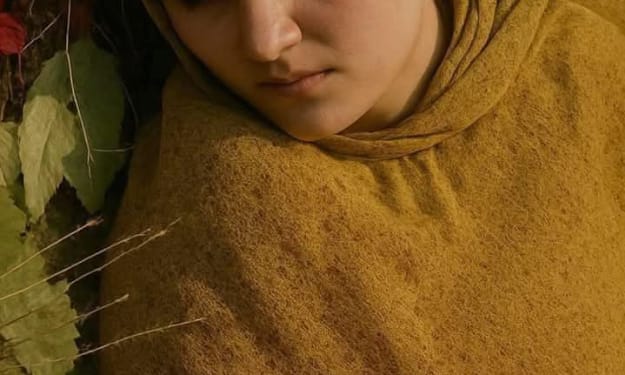
In a world overrun by noise—of war, of politics, of relentless chatter on digital screens—sometimes, a photograph tells the story louder than a thousand voices. The image before us is one such visual parable. It speaks in muted tones, in earth-stained fabric and blood-drenched wool. The woman depicted does not scream, does not reach out, does not protest. Yet everything about her—the closed eyes, the tension in her brow, the soft lines of her face frozen in fatigue or final rest—screams volumes.
By Fazal Malik6 months ago in Horror


Comments
There are no comments for this story
Be the first to respond and start the conversation.