

March 5th, 2022 marked a momentous event in the world of gymnastics as Russian athlete - Ivan Kuliak stood proudly on the podium at the International Gymnastics Federation World Cup in Doha, Qatar. With skill and determination, he secured the bronze medal in the parallel bars. However, this momentous occasion was overshadowed by the tense political climate surrounding Russia's invasion of Ukraine, which commenced just nine days prior.
In a bold and controversial move, Kuliak decided to showcase his support for the war by attaching a symbol to his uniform. This symbol consisted of three pieces of white tape arranged to form the letter Z. Little did he know at the time this seemingly innocuous gesture would soon become an obsession throughout Russia and a globally recognized symbol of approval for the war and loyalty to President Vladimir Putin. As the invasion continued, the Z symbol began appearing on billboards in St. Peterburg, at T-Shirt stands in Moscow, and even in auto rallies and flash mobs organized for social media platforms. It even made its way to a children's cancer hospice, where a photo was captured showing the sick children forming the Z shape in the snow. Unfortunately, the symbol was also used to vandalize the homes of those who opposed the war, leading to its ban in certain countries.
The origins of the Z symbol can be traced back to late February of 2022 when it was first spotted on Russian military equipment gathering at Ukraine's border. Alongside other painted white markings such as V and O, the meaning behind these symbols initially remained unclear. The Z is not part of the Cyrillic Alphabet used in Russia and Ukraine, so its significance puzzled many. However, as the invasion progressed, analysts concluded that the markings served tactical purposes, intended to prevent confusion on the battlefield and possibly indicate the direction of specific forces. The Russian military chose not to explain the meaning behind these markings, allowing intrigue to grow online. People in Russia saw an opportunity to exploit the Z as a tool for propaganda, sparking its association with phrases like "for victory," "for the president," and "for the boys."
The Z symbol quickly gained traction on social media, with hashtags like "for Russia" and "for peace" garnering tens of thousands of posts, many of which were originating from the Russian Ministry of Defense itself. Political technologies within the Kremlin and the Ministry of Defense seized this opportunity to redefine the meaning of these obscure symbols. Their goal was to turn the Z (and sometimes the V) into something cool and relatable, using familiar slogans and post-Soviet imagery to connect with the Russian population. One strategy employed to transform the Z into a patriotic propaganda icon involved linking it to the historic glory of the Soviet Union's victory in World War II. Russia's remembrance of the "Great Patriotic War" every May 9th, or Victory Day, evokes strong feelings of heroism and national pride. By associating the Z symbol with these sentiments and connecting nostalgia for Soviet Heroism with the current conflict in Ukraine, the Kremlin aimed to mobilize support for its actions.
Propaganda materials, such as a meme shared on the Russian Ministry of Defense's Instagram, cleverly showcased the Z symbol superimposed over a black and white photo of Soviet soldiers juxtaposed with a picture of modern Russian Soldiers. The hashtag accompanying the image read "heroes", evoking the heroic narratives associated with World War II. The Z symbol, often displayed in black and orange stripes representing the Ribbon of St. George, symbolizes military glory and serves as a recognizable signifier of being Russian. This ribbon, initially presented as a medal to all those who served in World War II, is now distributed annually ahead of Victory Day celebrations, further cementing its significance.
With its ambiguous meaning and evolving interpretations, the Z symbol remains a potent tool in the hands of Putin's propagandists. Its ability to capture attention, incite emotion, and inspire a sense of patriotism demonstrates the power of visual symbols in shaping public opinion. Whether intentional or not, the symbolism surrounding the Z is carefully calculated to fuel support for Russian aggression and maintain a grip on the narrative surrounding the conflict.
As the Z symbol continues to gain visibility and influence, its role as a persuasive and addictive tool for propaganda is undeniable. Its impact on global perceptions of the conflict in Ukraine further underscores the importance of vigilance and critical thinking when interpreting symbols in our increasingly connected world.
About the Creator
Keep reading
More stories from writers in History and other communities.
The Astrologer Prime Minister
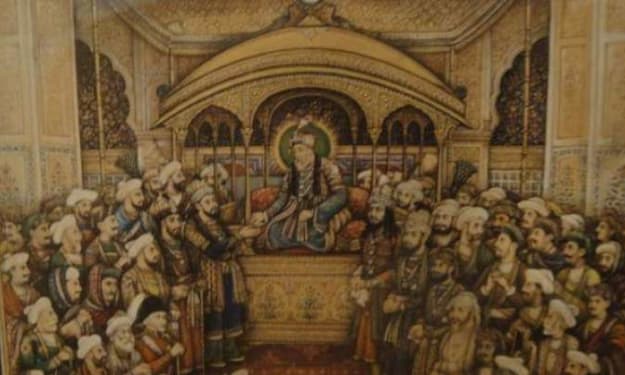
The king was seated among his courtiers. A competition was ongoing among them to bring good news to His Majesty. The king was delighted, for every piece of good news was like honey to his ears. He felt that he was the most successful ruler in the world. In his kingdom, even lions and goats drank from the same waterhole.
By Sudais Zakwana day ago in History
Fifteen Dead After Philippines Ferry With 300 Passengers Sinks
: At least 15 people have died and hundreds have been rescued after a passenger ferry carrying more than 300 people sank early on Monday, January 26, 2026, off the coast of the southern Philippines, authorities said. The tragedy has sparked a massive search and rescue operation, highlighted persistent safety concerns in inter‑island maritime travel, and left families anxiously awaiting news of loved ones.
By Salaar Jamaliabout 22 hours ago in History



Comments
There are no comments for this story
Be the first to respond and start the conversation.