
York’s City Walls: England’s Most Complete Medieval Fortifications
Medieval Building

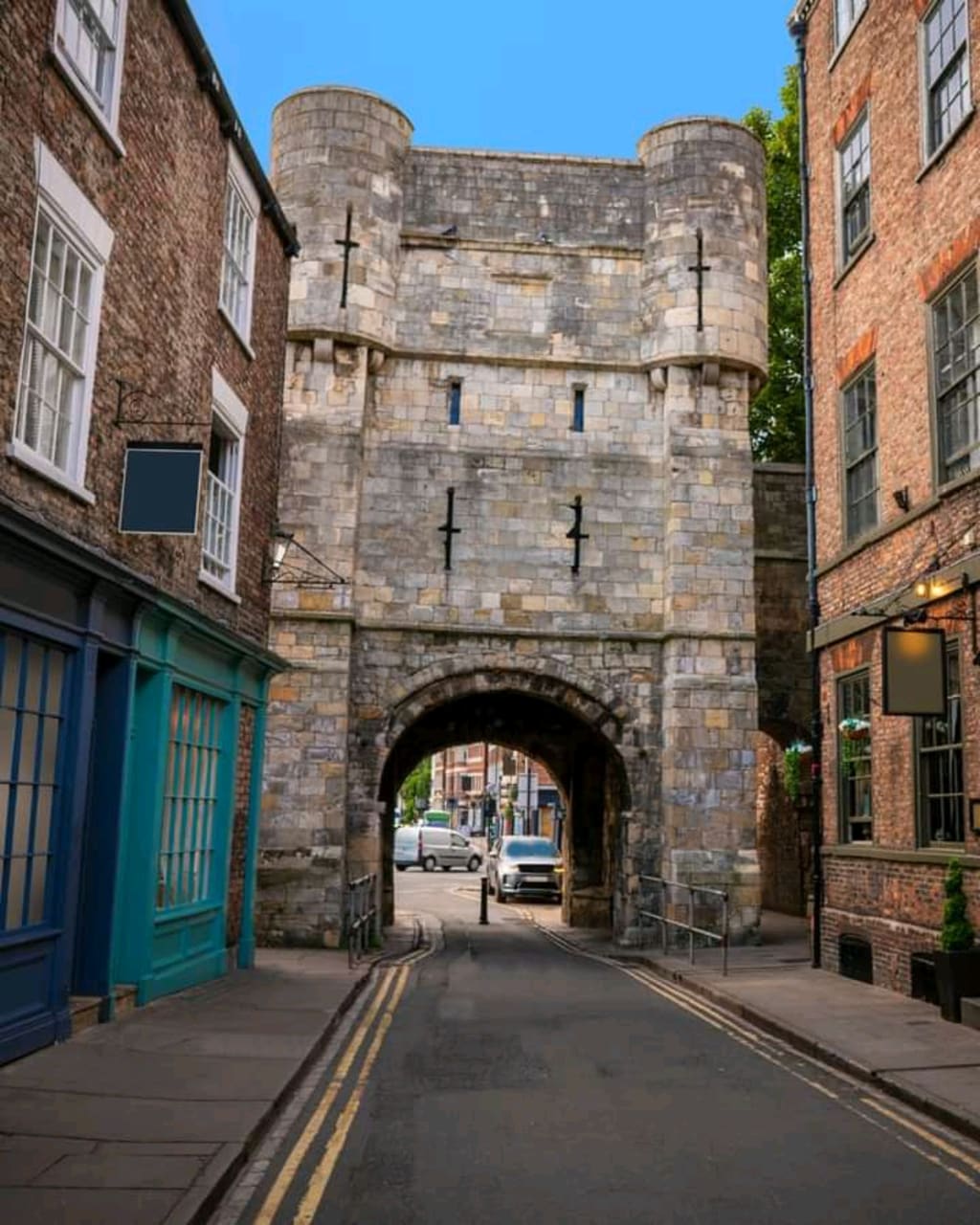
Encircling the historic city of York like a protective embrace, the York City Walls stand as a testament to centuries of history, conflict, and architectural brilliance. These ancient walls, the most complete example of medieval city walls in England, not only serve as a remarkable landmark but also offer an incredible journey through the layers of York’s past.
Constructed initially by the Romans in 71 AD and later expanded and fortified during the medieval period, the York City Walls are the longest medieval town walls in England, stretching for over two miles. Today, they remain one of the city’s most iconic features, attracting visitors from around the world who come to walk their length and experience the rich tapestry of York’s history.
---
The Roman Beginnings
The story of York’s City Walls begins with the Roman Empire. In 71 AD, the Romans established the fortress of Eboracum, the precursor to modern York, as a strategic military base in northern England. The initial fortifications were wooden palisades built to defend the settlement, but these were soon replaced with stone walls for greater durability and protection.
Roman engineers constructed the walls with precision, using materials such as limestone and gritstone. Remnants of these Roman foundations can still be seen today, offering a tangible connection to the city’s ancient origins. Eboracum became a significant center of Roman Britain, even serving as the seat of two Roman emperors: Septimius Severus and Constantius Chlorus.
---
Medieval Expansion and Fortification
While the Romans laid the groundwork, it was during the medieval period that the York City Walls evolved into the fortifications we recognize today. After the Norman Conquest in 1066, York became a key administrative and military center, prompting the Normans to repair and extend the walls.
By the 12th century, the walls had taken on their characteristic medieval form, complete with stone battlements, towers, and gateways. The construction included four main bars (gatehouses): Micklegate Bar, Bootham Bar, Monk Bar, and Walmgate Bar. Each of these served as both a defensive structure and a checkpoint for trade and travel.
Micklegate Bar, the most famous of the gates, became the ceremonial entrance for visiting monarchs. It also had a grimmer purpose as the site where the severed heads of traitors were displayed, a stark warning to anyone contemplating rebellion against the crown.
---
A Walk Through History: Exploring the Walls Today
Walking along York’s City Walls today is like stepping back in time. The walls stretch for approximately 2.75 miles, offering panoramic views of the city’s historic landmarks, including York Minster, Clifford’s Tower, and the River Ouse.
The route begins at Bootham Bar, near York Minster, and takes visitors through centuries of history. As you traverse the elevated pathway, you’ll pass through Micklegate Bar, which still features its portcullis and medieval defensive features. Monk Bar, the tallest of the gatehouses, now houses the Richard III Experience, a museum dedicated to the life and legacy of the controversial king.
Walmgate Bar is unique among the gates for its intact barbican, a defensive structure designed to trap and expose attackers. Its timber-framed gatehouse is a rare survival, showcasing the blend of functionality and beauty in medieval architecture.
---
The Walls in War and Peace
Over the centuries, the York City Walls have witnessed their share of conflict. During the English Civil War (1642–1651), York became a Royalist stronghold, and the walls played a crucial role in defending the city against Parliamentary forces. Siege tactics and artillery fire damaged parts of the walls, but their resilience ensured that York remained a key fortress throughout the war.
In peacetime, the walls took on a more symbolic and practical role, defining the boundaries of the city and regulating trade. By the 18th century, some sections fell into disrepair as York expanded beyond its medieval boundaries. However, Victorian efforts to restore the walls ensured their survival as a cherished historical monument.
---
Preservation and Modern Significance
Today, the York City Walls are a beloved feature of the city, drawing millions of visitors each year. Managed by the City of York Council, the walls are maintained as a historic site and a public walkway, offering a unique blend of recreation and education.
Interpretive signage along the route provides insights into the walls’ history, construction, and significance. Visitors can learn about the Roman origins, medieval fortifications, and the lives of the people who lived within—and defended—these walls.
The preservation of the York City Walls is a testament to the city’s commitment to its heritage. They remain a symbol of York’s enduring importance as a cultural, historical, and architectural treasure.
---
Why Visit the York City Walls?
A walk along York’s City Walls is more than just a stroll; it’s an immersive journey through nearly 2,000 years of history. The walls offer breathtaking views of York’s skyline, a chance to explore medieval gatehouses, and an opportunity to connect with the stories of those who lived and worked within this historic city.
For history enthusiasts, the walls provide a vivid illustration of York’s evolution from a Roman fortress to a medieval powerhouse and beyond. For families and casual travelers, they offer a scenic and accessible way to experience the charm and character of York.
---
Conclusion
The York City Walls are more than just ancient fortifications—they are a living monument to the resilience and ingenuity of the people who built and maintained them over centuries. As the most complete and longest medieval town walls in England, they stand as a powerful reminder of York’s rich and varied history.
Whether you’re a first-time visitor or a seasoned traveler, a walk along these walls promises to be an unforgettable experience. With every step, you’ll uncover new stories, breathtaking views, and a deeper appreciation for the enduring legacy of this remarkable city.
About the Creator
Keep reading
More stories from Deji Akomolafe and writers in History and other communities.
Chedworth Roman Villa: A Testament to Roman Luxury and Innovation
Tucked away in the rolling hills of Gloucestershire, England, Chedworth Roman Villa stands as a remarkable testament to Roman ingenuity, artistry, and opulence. Dating back nearly 1,800 years, this ancient site offers a glimpse into the lives of the Roman elite in Britain, showcasing their sophisticated engineering, architectural mastery, and appreciation for the finer things in life.
By Deji Akomolafeabout a year ago in History
3 Completely Normal Jobs With Disturbing Hidden Histories
Every job has a backstory. Some are boring, some are inspiring, and some are better left buried. While modern versions of certain professions look harmless—sometimes even respectable—their origins tell a much darker story.
By Enoch Sagini3 days ago in History
Albert Einstein: The Mind That Changed the Universe
Albert Einstein was not born a legend. When he entered the world on March 14, 1879, in the quiet German city of Ulm, nothing about his early life suggested that he would one day transform science forever. In fact, his beginnings were remarkably ordinary—and in some ways, difficult. As a child, Einstein spoke slowly, so slowly that his parents worried something might be wrong. Teachers considered him distracted and stubborn, a boy who questioned too much and obeyed too little. Yet hidden beneath that quiet exterior was a restless, powerful curiosity that would later reshape the universe itself.
By The best writer 2 days ago in History




Comments
There are no comments for this story
Be the first to respond and start the conversation.