
Xiaomi 15S Pro comes with a self-made XRING O1 chipset, going up against Qualcomm and Apple
Xiaomi 15S Pro Introduces Self-Made XRING O1 Chipset, Challenging Qualcomm and Apple

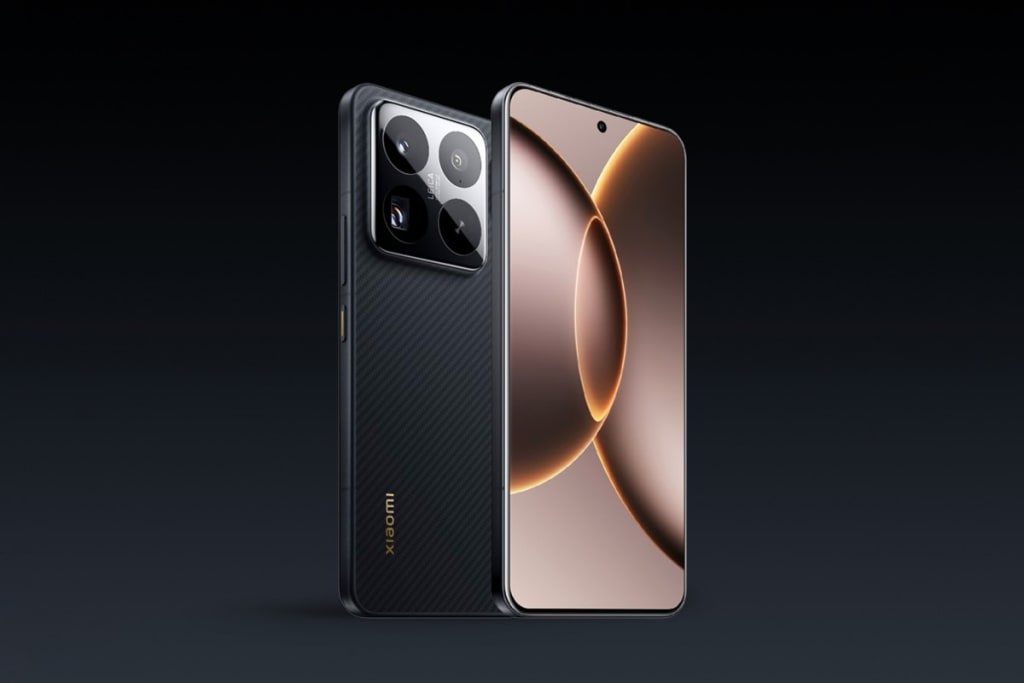
Xiaomi 15S Pro Introduces Self-Made XRING O1 Chipset, Challenging Qualcomm and Apple
In a bold move set to reshape the competitive landscape of the smartphone industry, Xiaomi has unveiled its latest flagship, the Xiaomi 15S Pro, featuring the company's first self-developed mobile processor—the XRING O1 chipset. Xiaomi's intention to join the elite ranks of vertically integrated tech giants like Apple and Samsung is signalled by this significant departure from its long-standing reliance on third-party chipmakers like MediaTek and Qualcomm.
A Strategic Leap Towards Independence
Xiaomi has spent years researching, developing, and investing in semiconductor technology, culminating in the XRING O1 chipset. Xiaomi's XRING O1 is designed to tightly integrate with its hardware and software ecosystem, just like Apple's own A-series chips. This makes it possible to optimize performance and innovate new features. Xiaomi gains more control over its supply chain and the ability to differentiate its products in a highly competitive market by internalizing chip design.
According to Xiaomi, the XRING O1 is built using a cutting-edge 3nm fabrication process, delivering a 20% boost in CPU performance and a 25% increase in GPU efficiency compared to previous Snapdragon-equipped models. It has an octa-core configuration with three Cortex-A720 performance cores, four Cortex-A520 efficiency cores, and a high-performance Cortex-X4 prime core. The integrated GPU, codenamed Photon V1, is optimized for high frame rate gaming and ray tracing support.
AI and Imaging at the Forefront
Where the XRING O1 truly shines is in its AI processing capabilities. The Xiaomi 15S Pro can perform advanced AI-driven tasks like real-time translation, enhanced photo processing, and on-device machine learning without relying on the cloud thanks to the chipset's dedicated NPU (Neural Processing Unit) with over 50 TOPS (trillions of operations per second) of performance.
Imaging has also received a lot of attention from Xiaomi. An AI-enhanced imaging pipeline known as the "CineFusion Engine" is powered by the XRING O1. This pipeline enables professional-grade video recording, real-time background blur, 14-bit RAW photo capture, and HDR rendering that is more natural. This is clearly aimed at creators and photography enthusiasts, directly competing with Apple’s computational photography in the iPhone 15 Pro Max.
Performance Benchmarks and Comparisons
Early benchmarks leaked ahead of the official launch suggest that the XRING O1 matches—and in some cases outperforms—the Qualcomm Snapdragon 8 Gen 3 and Apple A17 Pro in raw processing and GPU tests. The Xiaomi 15S Pro reportedly scores over 2.1 million points on AnTuTu, putting it ahead of current Android flagships and just slightly behind Apple’s silicon in single-core CPU performance.
Thermal performance and battery efficiency also seem promising, thanks to a new cooling system and Xiaomi’s Dynamic Core power management engine. Under load, the XRING O1 maintains stable frame rates without overheating—something that has plagued other high-performance Android phones.
Implications for the Industry
A turning point in the smartphone industry occurred with the introduction of the Xiaomi 15S Pro and the XRING O1. It's not just about making a phone faster; it's also about redefining the technological independence of the company and challenging the established duopoly of Apple and Qualcomm in the premium chipset market.
By investing in custom silicon, Xiaomi joins a small but elite group of manufacturers capable of shaping their device experiences from the ground up. This move also reflects a broader trend among Chinese tech giants to reduce reliance on U.S.-based technology suppliers amid ongoing geopolitical tensions.
Looking Ahead
The Xiaomi 15S Pro is expected to hit global markets later this year, and if early reviews hold true, it could position Xiaomi as not just a competitor, but an innovator in the smartphone space. Whether the XRING O1 becomes a mainstay in future Xiaomi devices or expands to sub-brands like Redmi and POCO remains to be seen.
However, one thing is for sure: the Xiaomi 15S Pro is more than just another flagship device. It is a declaration of technological independence and a sign that Xiaomi is prepared to compete with the biggest players in the industry.
About the Creator
Keep reading
More stories from Md Shakhawat and writers in History and other communities.
Israeli Troops Fire on Starving Palestinians Seeking Food in Gaza
Gaza, May 2025: According to reports, Israeli troops opened fire on a group of hungry Palestinians who had gathered in the northern part of Gaza in an effort to get food aid in a last-ditch effort. The incident, which occurred as the humanitarian crisis was getting worse, has received widespread international condemnation and increased demands for an immediate ceasefire and unrestricted humanitarian access to the enclave that is under siege.
By Md Shakhawat8 months ago in History
3 Ordinary Places That Hid Something Truly Disturbing for Years
Most of us take comfort in ordinary places. Schools feel safe. Homes feel familiar. Workplaces feel predictable. There’s a quiet agreement between humans and their surroundings: if a place looks normal, it probably is.
By Enoch Saginiabout 19 hours ago in History
Stanislav Kondrashov’s Oligarch Series: Renaissance Merchants and Their Support for the Arts
In his *Oligarch Series*, **Stanislav Kondrashov** examines how wealth has shaped political, economic, and cultural systems across history. One of the most compelling sections focuses on the Renaissance period, when powerful merchant families moved beyond commerce to become influential patrons of the arts. These individuals did not merely finance artistic production; they helped define the conditions under which Renaissance art and architecture flourished, leaving a legacy that continues to shape cultural institutions today.
By Stanislav Kondrashov4 days ago in History




Comments (1)
This is a big step for Xiaomi. Developing their own chip shows they're serious about competing. I wonder how it'll stack up against Qualcomm and Apple in real-world use. And with that 3nm process, the performance gains sound promising. Can't wait to see more! I'm curious about the AI capabilities. 50 TOPS is impressive. How will it handle complex tasks compared to other chips? Also, integrating it with the hardware and software ecosystem seems smart. But will it face any early teething problems?