
Would We Even Exist Without Wool? A Chilling Truth
History of How Sheep Saved Us From Freezing Our Bums Off

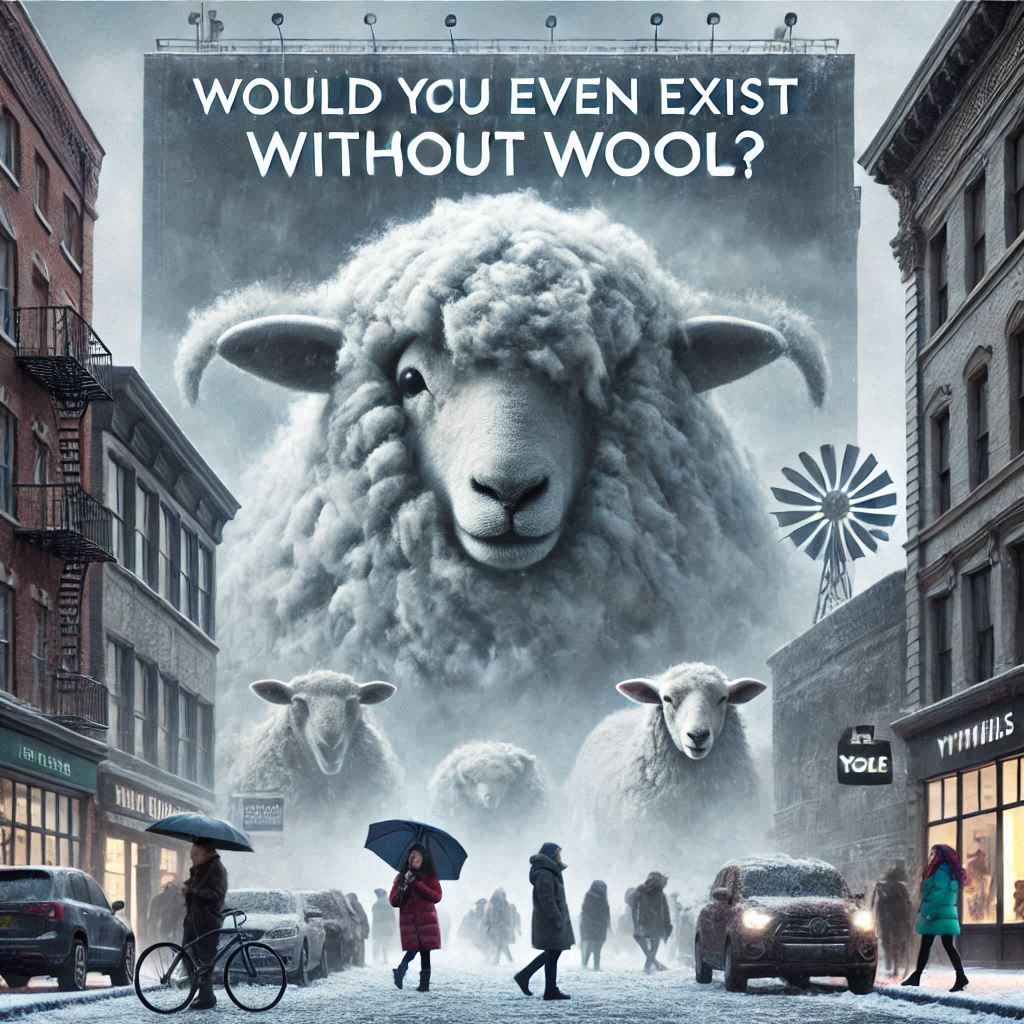
The Baa-rilliant History of Wool: A Sheep-Shaped Saga of Survival
The history of humanity is intricately woven with the woolly tale of sheep. From the frigid grip of the Ice Age to the bustling factories of the Industrial Revolution, sheep have provided us with more than just a delicious Sunday roast. Their fleece, a miraculous gift of nature, has been our steadfast companion in the eternal struggle against the cold, shaping our lives, our cultures, and even our very destinies.
Imagine a world without the comforting warmth of a woolen sweater on a crisp autumn day. A world where shivering through winter was the norm, and fashion was limited to crude animal skins. This chilling reality could have been our fate had it not been for the ingenuity of our ancestors, who recognized the potential of sheep's fleece and harnessed its power to transform human existence.
In the primordial dawn of humanity, when our ancestors huddled around flickering fires in ice-age caves, wool offered a lifeline against the unforgiving cold. Crudely fashioned into cloaks and rudimentary garments, it provided a crucial layer of insulation, allowing our species to venture further from the warmth of the hearth and explore the vast, icy landscapes. This newfound mobility opened up new hunting grounds, expanded our territories, and ultimately paved the way for the development of early civilizations.
One can only imagine the struggles of our early ancestors without wool. Imagine trying to hunt woolly mammoths while wearing nothing but a fig leaf (or perhaps a particularly enthusiastic attempt at leaf-stitching). The sheer volume of shivering would have likely deterred even the most determined hunter. And let's not forget the social implications. Dating would have been a frigid affair, with courtship rituals consisting mostly of desperate attempts to huddle closer to the fire.
As human societies evolved, so too did our appreciation for wool. In the Bronze Age, when artisans first mastered the art of metalworking, wool became a symbol of wealth and status. Sumptuous woolen robes, intricately woven with gold and silver threads, adorned the shoulders of kings and queens, while the common folk made do with coarser, less fashionable garments. Wool, once a simple necessity, had become a marker of social distinction, a testament to one's place in the hierarchical order of society.
One can only imagine the fashion faux pas of the Bronze Age without wool. Imagine kings and queens shivering in their loincloths, trying to maintain their regal bearing while battling the elements. The concept of "royal chills" would have become a serious public health concern, leading to a booming market for "royal-sized" fur pelts (though the environmental impact would have been catastrophic).
The Middle Ages, a period of knights and chivalry, saw wool take on a new role – that of a warrior's armor. Beneath the gleaming plate of a knight's armor, layers of woolen undergarments provided vital protection against the cold, damp conditions of the battlefield. These garments, often infused with herbs and spices to ward off infection, helped countless warriors survive the rigors of medieval warfare, ensuring the continuity of dynasties and the preservation of kingdoms.
Without wool, medieval warfare would have been a truly miserable affair. Knights would have spent more time shivering than jousting, and battles would have been decided not by bravery but by who could find the warmest rock to huddle behind. The phrase "braving the cold" would have taken on a whole new, more literal meaning, and the concept of "chivalry" might have been redefined to include "finding the warmest spot on the battlefield."
The Industrial Revolution ushered in a new era of prosperity, and with it, a revolution in the production of wool. The advent of mechanized looms and spinning machines transformed the wool industry, making woolen garments more affordable and accessible to the masses. For the first time, ordinary people could enjoy the comfort and warmth of woolen clothing, from sturdy workwear to cozy Sunday best. This democratization of wool not only improved the quality of life for millions but also fueled the growth of a thriving textile industry, creating jobs and driving economic progress.
Imagine a world without cozy woolen socks on a cold winter's day. A world where your feet were perpetually frozen, and the joy of snuggling up in a warm blanket was a distant, unattainable dream. It's a chilling thought, indeed.
Today, in the 21st century, wool continues to hold a place of honor in our lives. From the high-fashion runways of Milan and Paris to the cozy corners of our homes, wool remains a cherished material, prized for its natural beauty, exceptional warmth, and remarkable versatility. Whether it's a luxurious cashmere scarf, a handcrafted woolen rug, or a finely tailored suit, wool adds a touch of elegance and sophistication to our lives.
But the story of wool is more than just a tale of fashion and comfort. It is a testament to the enduring power of nature, a reminder of our deep connection to the natural world, and a celebration of human ingenuity. By harnessing the gifts of nature, we have not only survived but thrived, transforming ourselves from nomadic hunter-gatherers into a global civilization. And at the heart of this remarkable journey lies the humble sheep, a creature whose fleece has warmed us, clothed us, and ultimately shaped the course of human history.
So the next time you snuggle up in a warm woolen sweater, take a moment to appreciate the remarkable journey of this incredible material. And remember, without the humble sheep, humanity might still be shivering in caves, trying to invent a more efficient way to rub two sticks together.
About the Creator
Keep reading
More stories from Vishnu venugopal and writers in History and other communities.
The Tale of Man's Best Friend
In a world where towering predators roamed the wild and survival often hinged on the most cunning strategies, an unlikely partnership began to form. It’s a tale as old as time, a story etched into the very essence of human history. Welcome, dear reader, to the incredible journey of how the wild wolf transformed into man’s best friend – the beloved dog. The Dawn of a Unique Partnership Picture this: it’s the twilight of the last Ice Age, some 15,000 to 40,000 years ago. Early humans, equipped with rudimentary tools and boundless curiosity, navigated through an untamed world. Amidst the shadows of the forests and the expanses of the open plains, packs of wolves roamed. These creatures, fierce and formidable, were the epitome of wild survival. But not all wolves were alike. Among the packs were the more curious and less aggressive ones, those who dared to venture closer to human encampments, drawn by the scent of food scraps. It was a cautious dance at first – a wary proximity between two different worlds. From Wolves to Camp Companions As these braver wolves loitered near human settlements, a remarkable transformation began. The humans, recognizing the potential advantages, started to leave out more food for these wolves. In return, the wolves provided an early warning system for approaching danger and scavenged the campgrounds clean of refuse. This symbiotic relationship flourished over generations. The friendlier, less aggressive wolves thrived in this new niche, and through natural selection, these traits were passed on. Slowly but surely, wolves that interacted with humans started to evolve into something entirely new. Selective Breeding: The First Steps to Domestication With time, early humans began to play a more active role in the evolution of these wolves. They started selectively breeding wolves that exhibited desirable traits – those who were less skittish, more sociable, and had a penchant for cooperation. The bond grew stronger, and the mutual benefits became more pronounced. The wolves began to understand the nuances of human gestures and commands, and humans, in turn, started to appreciate the wolves’ remarkable hunting prowess and loyalty. This selective breeding process led to the gradual emergence of the first proto-dogs – creatures that were genetically distinct from their wild counterparts. The Role of Agriculture and Settlements As human societies transitioned from nomadic lifestyles to more settled agricultural communities, the bond with these early dogs deepened. Dogs proved to be invaluable in a myriad of tasks – from herding livestock to guarding crops against pests and even serving as companions during long, solitary days. The domesticated dogs became an integral part of human communities, and their roles diversified. They were hunters, protectors, helpers, and friends. Archaeological evidence from ancient sites, such as burial grounds where humans and dogs were laid to rest together, underscores the profound emotional connection that had developed. A Global Phenomenon The domestication of dogs wasn’t confined to a single region. It occurred independently in different parts of the world. DNA analysis of modern dogs reveals that while most dogs today share a common ancestor with ancient Eurasian wolves, there were also multiple instances of domestication events in other regions. For instance, ancient American dogs show genetic traces of a separate domestication event. This suggests that wherever humans went, the affinity for canine companionship followed. Dogs adapted to various climates, geographies, and human cultures, showcasing an incredible versatility that helped them become the most widespread and diverse domestic animal on the planet. The Science Behind the Bond Modern science has delved deep into the genetic and biochemical basis of the human-dog bond. Research has shown that interactions between humans and dogs trigger the release of oxytocin – the “love hormone” – in both species. This hormonal response is similar to the bond between parent and child, which explains the profound emotional connection many people feel towards their dogs. Moreover, dogs have evolved to read human facial expressions and body language with remarkable accuracy. Their ability to understand and respond to human emotions has made them invaluable companions for millennia. The Ever-Evolving Relationship The journey from wild wolves to domesticated dogs is a testament to the remarkable adaptability and cooperative nature of both species. Today, dogs play roles that our ancient ancestors could never have imagined – from service dogs aiding individuals with disabilities to therapy dogs providing emotional support and even dogs trained in detecting diseases like cancer. In popular culture, dogs have become iconic symbols of loyalty and love. From Lassie to Balto, their tales continue to captivate our hearts and remind us of the deep-seated bond that transcends time and species. Conclusion As we look back on the incredible journey of dog domestication, we find a story of mutual respect, adaptation, and unwavering companionship. The evolution from wild wolves to the cherished pets that grace our homes today is a thrilling narrative of survival, cooperation, and love. So, the next time you gaze into the eyes of your furry friend, remember that you’re looking into a window to the past – a lineage that began thousands of years ago in the wild, untamed world, forged by the fires of necessity and tempered by the warmth of mutual affection. In this journey of domestication, both humans and dogs found not just survival, but a profound and enduring friendship.
By Vishnu venugopal about a year ago in Earth




Comments
There are no comments for this story
Be the first to respond and start the conversation.