
“World War II: The Deadliest War in History and Its Lasting Impact”
“Causes, Major Events, and Consequences of the Second World War”

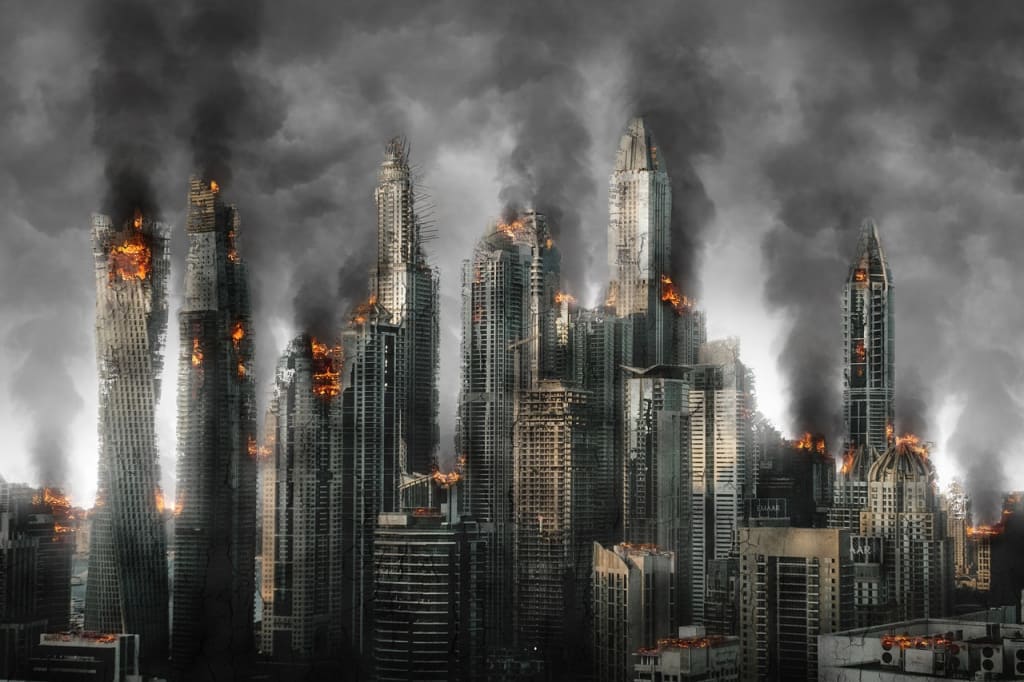
World War II was the biggest and most destructive war in human history. It involved over 50 countries and was fought on land, sea, and air across almost every part of the world. This war, also known as the Second World War, began in 1939 and lasted until 1945. It caused massive loss of life, destroyed cities, and changed the course of history forever.
Many factors led to the outbreak of World War II, including the economic crisis caused by the Great Depression and unresolved political tensions from World War I. Millions of soldiers and civilians lost their lives, and the war left behind lasting effects, including the creation of the United Nations and the Cold War.
Causes of World War II
The roots of World War II can be traced back to World War I. After the First World War ended in 1918, the Treaty of Versailles was signed in 1919. This treaty forced Germany to accept responsibility for the war and pay heavy penalties. As a result, Germany faced a severe economic crisis and political instability. Many Germans felt humiliated and wanted revenge.
During the 1930s, Adolf Hitler and his Nazi Party took advantage of Germany’s suffering. Hitler promised to rebuild Germany’s strength and restore its lost pride. He rejected the Treaty of Versailles, expanded Germany’s military, and started taking control of neighboring lands. At the same time, other aggressive leaders like Benito Mussolini in Italy and Emperor Hirohito in Japan also began expanding their territories. The world was heading toward another major conflict.
The Start of the War
World War II officially began on September 1, 1939, when Nazi Germany invaded Poland. In response, Britain and France declared war on Germany two days later. Soon, the conflict spread across Europe, Asia, and Africa. Germany quickly conquered many countries, including France, and launched air attacks on Britain.
Japan, a powerful empire in Asia, joined the war by attacking Pearl Harbor, a U.S. naval base in Hawaii, on December 7, 1941. This attack forced the United States to enter the war. Meanwhile, Italy, Germany’s ally, was fighting in North Africa and Europe.
Major Events of World War II
The war was fought on multiple fronts, and some of the most important battles and events included:
• The Battle of Britain (1940): Germany launched massive air attacks on Britain, but the British Royal Air Force successfully defended their country.
• The Invasion of the Soviet Union (1941): Hitler broke an agreement with the Soviet Union and launched a large-scale attack, leading to heavy losses on both sides.
• The Attack on Pearl Harbor (1941): Japan’s surprise attack on the U.S. brought America into the war, changing the balance of power.
• D-Day (1944): Allied forces, including soldiers from the United States, Britain, and Canada, landed on the beaches of Normandy, France, to push back German forces.
• The Atomic Bombs (1945): The United States dropped two atomic bombs on Hiroshima (August 6) and Nagasaki (August 9), leading to Japan’s surrender.
The Holocaust: A Dark Chapter
One of the most horrific events of World War II was the Holocaust. Adolf Hitler and the Nazi Party carried out a plan known as the “Final Solution”, which aimed to eliminate Jewish people from Europe. As a result, 6 million Jews were murdered in concentration camps, along with millions of others, including Poles, Romani people, disabled individuals, and political opponents. This remains one of the worst crimes in human history.
The End of the War
By 1945, Germany was losing on all fronts. The Soviet Union advanced from the east, while British and American forces pushed from the west. On April 30, 1945, Adolf Hitler committed suicide in his bunker in Berlin. Germany surrendered on May 8, 1945, a day now celebrated as Victory in Europe Day (V-E Day).
Japan, however, continued fighting until the United States dropped atomic bombs on Hiroshima and Nagasaki. Japan finally surrendered on August 15, 1945, marking the official end of World War II. This day is now known as Victory over Japan Day (V-J Day).
The Aftermath and Impact
World War II left the world in ruins. An estimated 60 to 80 million people died, including 55 million civilians. Cities across Europe and Asia were destroyed, economies were shattered, and millions of people were left homeless.
However, the war also led to major global changes:
1. The United Nations (UN) was created in 1945 to maintain world peace and prevent future wars.
2. The Cold War began between the United States and the Soviet Union, leading to decades of political tension.
3. Germany was divided into East and West Germany, with the Soviet Union controlling the east and the Western Allies controlling the west.
4. Decolonization started, leading many Asian and African nations to fight for and gain independence from European rule.
Conclusion
World War II was the most destructive conflict in history. It changed the world forever and taught important lessons about the dangers of extreme nationalism, dictatorship, and war. Even today, its impact can be felt in international politics, military strategies, and human rights discussions.
Understanding World War II helps us remember the sacrifices made and reminds us why peace and diplomacy are always better than war.
About the Creator
Muhammad yaqoob
MuHsin.
Be HaPPy AloN…..
Keep reading
More stories from Muhammad yaqoob and writers in History and other communities.
“The Six Major Causes of World War I: Understanding the Roots of a Global Conflict”
Six Major Causes of World War I World War I, also known as the Great War, began in the summer of 1914 and lasted until 1918. It was one of the deadliest conflicts in history, with more than 20 million soldiers losing their lives and another 21 million wounded. The war was mainly fought in Europe, but its effects were felt across the world.
By Muhammad yaqoob10 months ago in History
"The Power of Belief: Ideology in the Roman Kingdom"
The Rise of Ideology in the Roman Kingdom In the earliest days of Rome, long before it became a republic or an empire, the Roman Kingdom was bound together by more than kings, armies, or stone walls. What truly unified Rome was a powerful and carefully shaped ideology—one that defined how Romans understood authority, duty, morality, and identity. This ideological foundation transformed a small settlement on the banks of the Tiber River into a disciplined and resilient civilization, prepared to rule others long after its kings were gone.
By The best writer 7 days ago in History
THE TREASURE IN THE FOREST
The canoe drifted quietly toward the island, where a wide bay opened beneath a blazing sky. A narrow gap in the white reef marked the mouth of a small river, its path visible by the darker green of thick forest spilling down the hillside. Beyond it, mountains rose like frozen waves. The sea was calm, almost unnaturally so.
By Faisal Khan7 days ago in History




Comments
There are no comments for this story
Be the first to respond and start the conversation.