
World War II: From Tensions to Tragedy, and the Road to Recovery
All about world warII
Introduction:
World War II was a global conflict that engulfed the world from 1939 to 1945, resulting in unprecedented devastation and loss of life. This article aims to explore the causes that led to the outbreak of war, the major players involved, and the events that eventually brought about its end.
1. The Seeds of Conflict
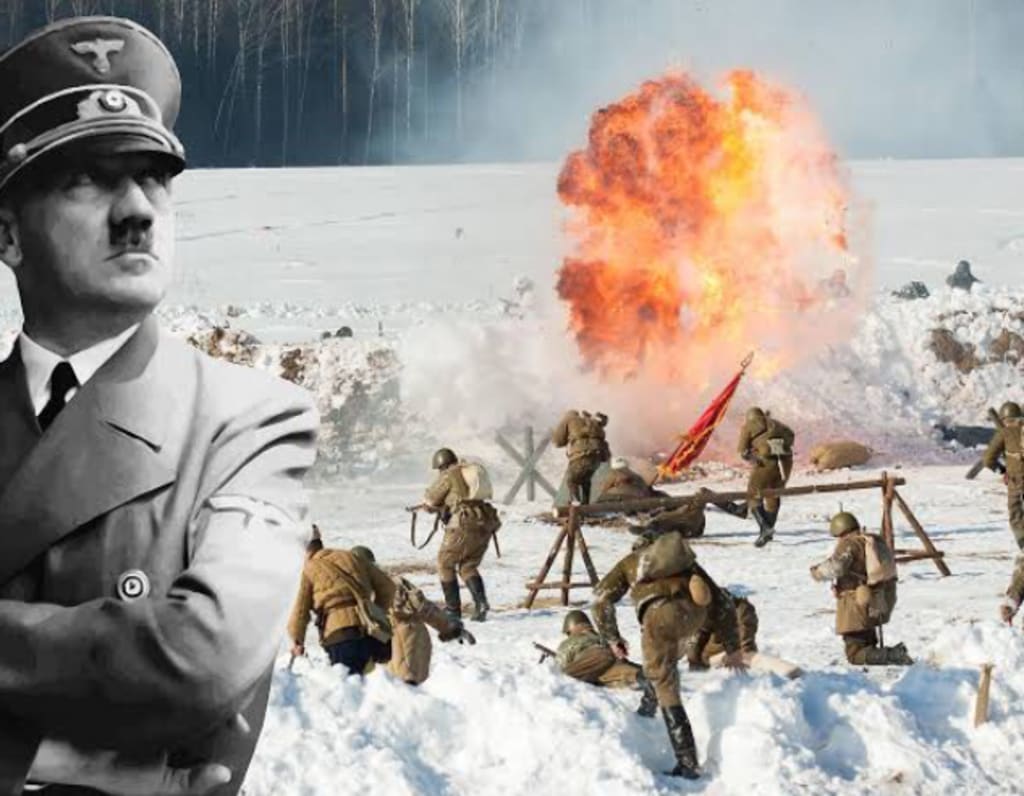
The roots of World War II can be traced back to the unresolved issues of World War I, including the harsh terms imposed on Germany in the Treaty of Versailles. The economic woes of the Great Depression further exacerbated tensions, leading to the rise of aggressive and expansionist ideologies in Europe and Asia. The aggressive actions of Nazi Germany, led by Adolf Hitler, and Imperial Japan, fueled by a desire for territorial expansion, were among the major catalysts for the conflict.
2. The Outbreak of War
The spark that ignited the fire of war was the German invasion of Poland in September 1939. This act of aggression prompted the United Kingdom and France to declare war on Germany, setting the stage for a global conflict. The Axis powers, consisting of Germany, Italy, and Japan, sought to expand their territories through military conquests, while the Allies, led by the United Kingdom, the Soviet Union, and the United States, aimed to counter their aggression.
3. The Major Players and Battlefronts
World War II witnessed a complex web of alliances and battlefronts across the globe. In Europe, the Axis powers swiftly conquered much of the continent, but faced fierce resistance from the Allies. The Battle of Britain, the Eastern Front, and the D-Day invasion were among the pivotal moments in the European theater. In the Pacific, the Japanese launched a surprise attack on Pearl Harbor, drawing the United States into the war. The Pacific theater saw significant battles like Midway, Guadalcanal, and Okinawa.
4. The Final Acts and Aftermath
As the war progressed, the tide began to turn against the Axis powers. The Allies' relentless efforts, combined with technological advancements and strategic successes, gradually weakened the Axis forces. The turning point in Europe came with the Soviet Union's successful defense of Stalingrad and subsequent counteroffensive, pushing the Germans back. In the Pacific, the United States' island-hopping strategy and the decisive Battle of Midway shifted the balance of power.
The war finally came to an end in 1945, with the unconditional surrender of Germany in May and the dropping of atomic bombs on Hiroshima and Nagasaki, leading to Japan's surrender in August. The war left a devastating toll, with an estimated 70-85 million lives lost, cities in ruins, and economies shattered. The aftermath gave rise to the formation of the United Nations, aimed at preventing future conflicts and promoting international cooperation.
Certainly! Here are some additional key aspects and facts about World War II:
1. Holocaust and Genocide: The Holocaust, orchestrated by Nazi Germany, resulted in the systematic persecution and extermination of approximately six million Jews, along with millions of other victims, including Romani people, disabled individuals, and political dissidents. This genocide stands as one of the darkest chapters in human history.
2. War Crimes and Trials: In the aftermath of World War II, the Allies conducted trials to hold accountable those responsible for war crimes and crimes against humanity. The Nuremberg Trials, held in Germany, and the Tokyo Trials, held in Japan, sought justice for those responsible for atrocities committed during the war.
3. Women's Contributions: World War II saw women playing vital roles in various capacities, both on the home front and in military service. They filled essential roles in factories, served as nurses, pilots, and even spies. Their contributions paved the way for advancements in women's rights and changed societal perceptions.
4. Technological Advancements: World War II witnessed significant technological advancements, including the development of radar, jet aircraft, long-range missiles, and the atomic bomb. These advancements revolutionized warfare and had long-lasting implications for future conflicts and civilian applications.
5. Impact on Civilian Populations: World War II had a profound impact on civilian populations. Many cities were heavily bombed, leading to civilian casualties and widespread destruction. The war also resulted in significant displacement, with millions of people becoming refugees, seeking safety and shelter elsewhere.
6. Pacific Theater: While much of the focus is often put on the European theater, the war in the Pacific was equally significant. The conflict between the United States and Japan saw numerous brutal battles, island-hopping campaigns, and the use of atomic weapons, ultimately leading to Japan's surrender.
7. Resistance Movements: Throughout occupied Europe, resistance movements emerged, comprising brave individuals who fought against the Axis powers through sabotage, espionage, and acts of defiance. These movements played a crucial role in supporting the Allied war effort and preserving hope for liberation.
8. Economic and Social Transformations: World War II brought about significant economic and social transformations. The war effort stimulated industrial production and led to advancements in technology, medicine, and communication. Post-war, the need for reconstruction and rebuilding spurred economic growth and reshaped societies.
9. Global Impact: World War II had far-reaching global consequences, including the redrawing of national borders, the end of colonialism, and the emergence of new superpowers. The United States and the Soviet Union emerged as the dominant powers, leading to the Cold War era.
Understanding the complexities and impact of World War II is crucial for comprehending the historical context that shaped the world we live in today.
Conclusion
World War II brought unimaginable destruction and loss, leaving an indelible mark on history. Its origins can be traced to the unresolved issues of World War I and the rise of aggressive ideologies. The war ended with the defeat of the Axis powers, but at a tremendous cost. The lessons learned from this global catastrophe have since shaped international relations and served as a reminder of the importance of diplomacy, cooperation, and the preservation of peace.
About the Creator
Keep reading
More stories from Tripple diexxx and writers in History and other communities.
My trip to New York City
I embarked on a memorable trip to New York City, a city that never fails to captivate and inspire. From the moment I landed at JFK Airport, the bustling energy of the Big Apple enveloped me, setting the stage for an unforgettable journey.
By Tripple diexxx3 years ago in History
The Light of Islam: The Journey of the Prophet
Over 1,400 years ago, in the city of Mecca, a child was born who would change the world forever. His name was Muhammad ﷺ, and he belonged to the noble tribe of Quraysh. From the beginning, his life was marked by trials and simplicity. Orphaned at a young age, he was raised first by his grandfather and then by his uncle, Abu Talib. Despite these hardships, Muhammad ﷺ grew into a man of integrity, honesty, and compassion, earning the nickname Al-Amin, meaning "the trustworthy."
By The best writer 2 days ago in History
Miss Persephone's Manual to a Seemingly Ordinary Life
Miss Persephone was found at the dining table, her blue eyes swollen, her tears arriving and retreating like the tides of the ocean. Earlier that day, her family had visited her in the retirement home where she had lived for eight years. It was her eightieth birthday.
By Imola Tóth4 days ago in Fiction




Comments
There are no comments for this story
Be the first to respond and start the conversation.