
Word war II
: A comprehensive overview of the deadliest and most expansive war in human history (1939–1945), from the invasion of Poland to the atomic age.

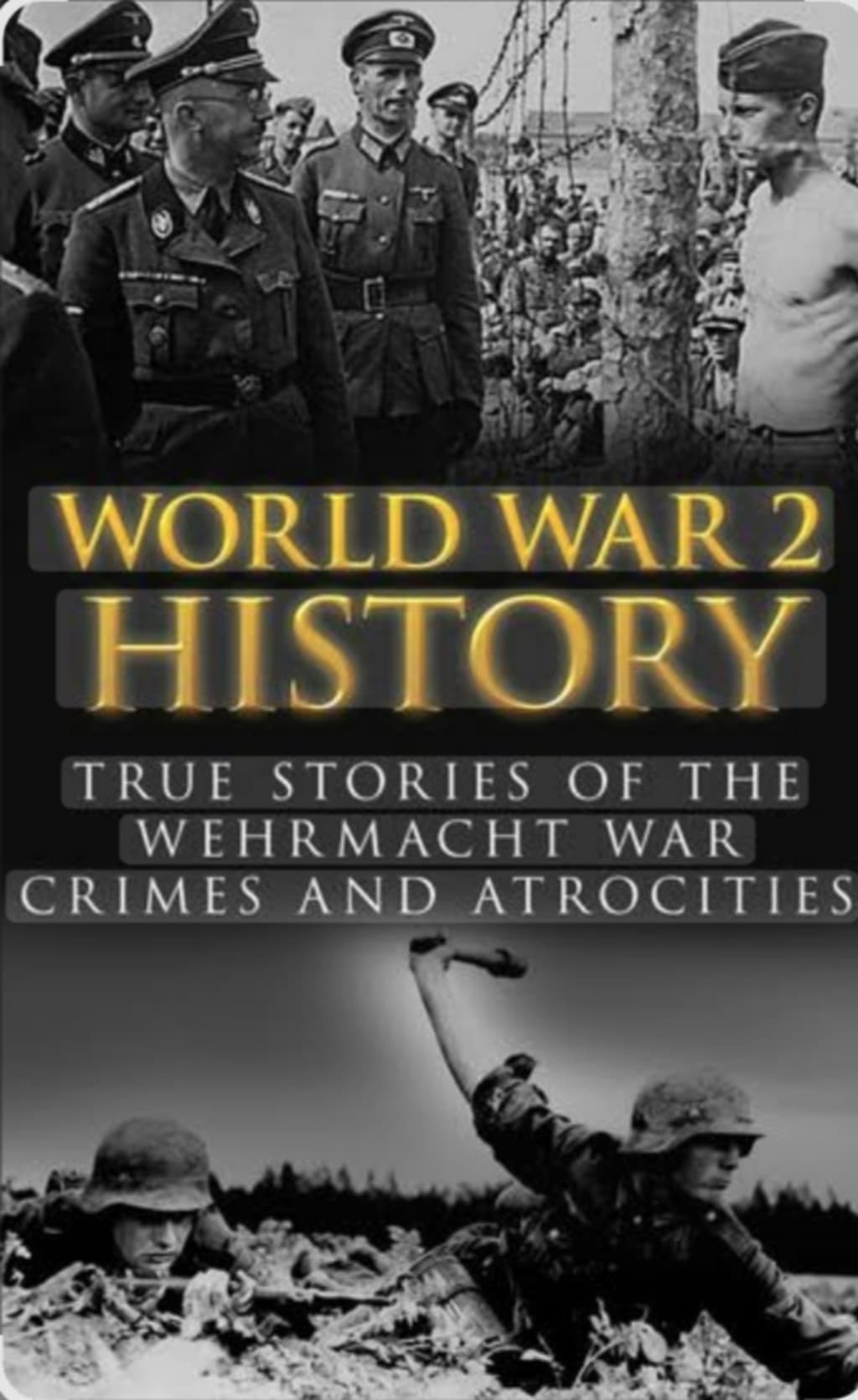
# A Detailed Overview of World War II
World War II (1939-1945) was one of the most significant and devastating global conflicts in history, involving numerous countries and causing immense human and material losses. Let’s explore its key aspects, including causes, major events, and consequences.
## Causes of World War II
1. **Treaty of Versailles**: The harsh penalties and reparations imposed on Germany after World War I created deep resentment and economic hardship, laying the groundwork for extremist politics.
2. **Rise of Totalitarian Regimes**: Economic instability led to the rise of dictators like Adolf Hitler in Germany, Benito Mussolini in Italy, and militaristic leaders in Japan. Their aggressive expansionist policies set the stage for war.
3. **Failure of the League of Nations**: The League was unable to enforce its policies or prevent aggression from rising powers, leading to increased tensions.
4. **Expansionist Policies**: Countries like Germany, Italy, and Japan sought to expand their territories. This led to invasions, such as Germany’s occupation of Poland in 1939.
## Major Events
### 1. Invasion of Poland (September 1, 1939)
- Germany invaded Poland using a strategy called "Blitzkrieg," or "lightning war," which focused on speed and surprise.
- This invasion prompted Britain and France to declare war on Germany, marking the beginning of World War II.
### 2. The Fall of France (1940)
- In May 1940, Germany launched a rapid invasion of France, bypassing the Maginot Line.
- Paris fell in June 1940, leading to the establishment of the Vichy regime, a puppet government collaborating with Nazi Germany.
### 3. Battle of Britain (July-October 1940)
- Germany aimed to gain air superiority over Britain but faced fierce resistance from the Royal Air Force.
- This battle marked the first major defeat of Hitler's military forces and bolstered Allied morale.
### 4. Operation Barbarossa (June 22, 1941)
- Germany launched a massive invasion of the Soviet Union, breaking the non-aggression pact.
- The initial success was followed by a brutal winter that halted German advances, leading to the eventual Soviet counteroffensive.
### 5. Pearl Harbor (December 7, 1941)
- The Japanese attacked the U.S. naval base at Pearl Harbor, prompting the United States to enter the war.
- This attack marked a shift in the war, as the U.S. would become crucial in the fight against the Axis powers.
### 6. D-Day (June 6, 1944)
- Allied forces launched a massive invasion of occupied France at Normandy.
- This operation marked a turning point in the war, leading to the liberation of Western Europe from Nazi control.
### 7. The Fall of Berlin (April-May 1945)
- The Soviet Union captured Berlin in May 1945.
- Adolf Hitler committed suicide on April 30, 1945, leading to Germany’s unconditional surrender on May 7, 1945.
## Consequences
1. **Human Cost**: An estimated 70-85 million people died, including six million Jews in the Holocaust.
2. **Geopolitical Changes**: The map of Europe was redrawn, with new countries established and borders shifted. The emergence of the United States and the Soviet Union as superpowers led to a bipolar world.
3. **Formation of the United Nations**: Established in 1945 to promote international cooperation and prevent future conflicts.
4. **Cold War**: Rising tensions between the U.S. and the Soviet Union led to a prolonged period of ideological and political conflict known as the Cold War.
5. **War Crimes Trials**: Key figures of the Nazi regime were prosecuted at the Nuremberg Trials, setting precedents for international law regarding war crimes.
## Conclusion
World War II was a complex conflict driven by a myriad of factors, resulting in profound changes across the globe. The war not only reshaped borders and international relations but also significantly influenced social and political ideologies, leading to ongoing debates about conflict, human rights, and governance. Its legacy continues to inform contemporary society and international relations today.
About the Creator
The best writer
I’m a passionate writer who believes words have the power to inspire, heal, and challenge perspectives. On Vocal, I share stories, reflections, and creative pieces that explore real emotions, human experiences, and meaningful ideas.
Keep reading
More stories from The best writer and writers in History and other communities.
First Moon Landing:
First Moon Landing: A Detailed Story #uly 20, 1969, humanity achieved one of its most remarkable feats: the first successful landing on the moon. This historic event was a culmination of years of space exploration and technological advancements, symbolizing a significant milestone in human history.
By The best writer about a month ago in History
The Hard Ways Trump Could Try to Take Greenland
When Donald Trump was president of the United States, he shocked the world by saying he wanted to buy Greenland. Many people laughed, but others took the idea seriously. Greenland is a huge island in the Arctic. It is rich in natural resources and very important for military defense. Today, Greenland belongs to Denmark, but it also governs itself in many areas.
By sehzeen fatima2 days ago in History



Comments (1)
🤕