
The Slow Fade of the United Nations: When Powerful Nations Turn Away
When Powerful Nations Turn Away


The Slow Fade of the United Nations: When Powerful Nations Turn Away
In January 2026, as the United Nations enters its 81st year, the organization feels more like a relic than a powerhouse. Headlines scream of wars unchecked, humanitarian crises ignored, and a budget teetering on collapse. Secretary-General António Guterres has warned of a "race to bankruptcy," with a proposed 15% cut to the 2026 regular budget—dropping it to $3.238 billion—and nearly 20% of staff positions slashed. Unpaid dues pile up, led by major contributors like the United States, which owes billions and has signaled it may withhold peacekeeping funds entirely. It's not just money; it's a symptom of deeper indifference. Countries, especially the most powerful ones like America, are increasingly treating the UN as optional—an outdated club where talk is cheap and action rarer still.
The UN was born from the ashes of World War II, a bold promise to prevent another global catastrophe through collective action. For decades, it delivered: eradicating smallpox, coordinating aid in disasters, and providing a forum where even rivals could negotiate. But today, in a world of rising nationalism and great-power rivalry, that promise feels hollow. The Security Council, meant to be the guardian of peace, is paralyzed by vetoes. In 2024 and 2025 alone, vetoes blocked resolutions on Gaza ceasefires multiple times, often cast by the US to shield allies or by Russia and China to counter Western moves. Resolutions pass the General Assembly in droves—condemning occupations or calling for aid—but powerful nations simply ignore them when inconvenient.
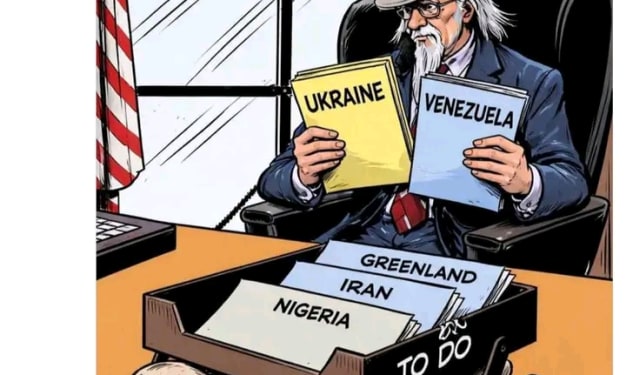
Take the United States as a prime example. As the UN's largest funder (or defaulter, depending on the year), America's relationship with the organization has always been complicated. Under recent administrations, it's grown outright skeptical. Withholding payments isn't new, but in 2025-2026, it's escalated amid domestic priorities and frustration with UN "inefficiency." The US has vetoed or blocked actions on issues close to its interests, like Palestine's full membership or Gaza aid restrictions, while pursuing unilateral moves elsewhere—such as the controversial 2026 intervention in Venezuela, which drew condemnation even from allies at an emergency Security Council meeting. Critics argue this undermines the very rules-based order the UN embodies. When the world's superpower picks and chooses which resolutions to follow, why should anyone else bother?
Other nations follow suit. Russia ignores resolutions on Ukraine, China brushes off rulings on the South China Sea, and various countries flout calls on human rights or disarmament. The result? The UN's authority erodes. Peacekeeping missions shrink, humanitarian programs face cuts, and global challenges like climate change or pandemics get lip service but little coordinated muscle. Development aid is plummeting, with projections of sharp drops by 2026, leaving agencies like UNDP scrambling.
Yet, it's not quite the end. Voices inside and outside the UN call for reform. The UN80 Initiative, launched in 2025, aims to streamline operations, merge overlapping agencies, and make the system more agile amid shrinking resources. The Pact for the Future, adopted in 2024, pushed for Security Council expansion to better reflect today's world—adding permanent seats for Africa, Latin America, and Asia, perhaps curbing veto power in atrocity cases. Leaders at the 2025 General Assembly demanded a more representative, democratic UN, one that includes rising powers and small states alike.
But reform requires will from the powerful, and that's scarce. The permanent five—US, Russia, China, France, UK—guard their privileges fiercely. Without them, changes stall. In a multipolar world, nations increasingly turn to alternatives: BRICS for economics, regional blocs for security, bilateral deals for everything else. The UN risks becoming a talk shop, relevant for symbolism but sidelined in real crises.
Is this the death knell? Not yet. The UN still coordinates vital work—no other body has its universal legitimacy or reach. It feeds millions in crises, monitors ceasefires, and sets global standards. But if major countries like America continue to ignore or underfund it, treating multilateralism as a nuisance rather than a necessity, the fade will accelerate. The question for 2026 isn't whether the UN can survive—it's whether the world still wants it to thrive. In an era of "America First" and similar slogans elsewhere, the answer feels increasingly uncertain. Perhaps the real tragedy isn't the UN's weaknesses; it's our collective choice to let them fester.
(Word count: 712)
About the Creator
The Man Who Screamed Into the Void: The Uncomfortable Truth of the Challenger Disaster
On the night of January 27, 1986, the temperature in Brigham City, Utah, was plummeting. Inside his home, an American engineer named Roger Boisjoly sat awake, his stomach knotted with a specific, heavy dread that most people will never experience.
By Frank Massey 6 days ago in History


Comments
There are no comments for this story
Be the first to respond and start the conversation.