
Whispers of Rome Echo Through Tipasa’s Stones
Ancient Roman ruins tell stories on Algeria’s Mediterranean coast.

Tipasa Roman Ruins – Echoes of Empire on Algeria’s Coast
Nestled along the glistening Mediterranean coast of northern Algeria, the Roman ruins of Tipasa stand as a testament to the grandeur, complexity, and endurance of one of history’s greatest empires. This UNESCO World Heritage Site offers a stunning glimpse into the past, where Roman engineering, Berber culture, and early Christianity once thrived side by side.
Tipasa’s story begins long before the Romans arrived. Originally a small Punic trading post established by the Carthaginians, it was strategically located between the sea and the mountains, making it a vital hub for commerce and culture. After Rome’s victory in the Punic Wars, the area gradually came under Roman control. By the first century CE, Tipasa had been transformed into a Roman military colony under Emperor Claudius, later evolving into a municipium with impressive civic structures.
At its height, Tipasa was a lively provincial city with a mixed population of Romans, Berbers, and Phoenicians. The city enjoyed great prosperity thanks to trade, fishing, and agriculture, particularly olive oil and wine. Roman administrators invested heavily in infrastructure, leaving behind remarkable monuments that still awe visitors today.
Among Tipasa’s most iconic structures is its amphitheater, once capable of seating thousands. Here, citizens would gather for gladiatorial contests, public speeches, and theatrical performances. The elliptical design and stone seating show the technical brilliance of Roman engineering. Nearby, remnants of basilicas, used for both administration and early Christian worship, reveal the spiritual evolution of the city over time.
The Great Basilica, also called the Basilica of Saint Salsa, holds special significance. Built in the fourth century CE, it is believed to commemorate a Christian martyr named Salsa, who defied pagan worship by throwing a serpent idol into the sea. The basilica became a pilgrimage site, drawing early Christians long before Islam came to North Africa.
Another awe-inspiring site is the necropolis, or burial area, which includes Roman tombs, sarcophagi, and mausoleums. Some are richly decorated with inscriptions and carvings that speak to the wealth and cultural blending of Tipasa’s citizens. These tombs rest beneath ancient cypress trees and overlook the sea, offering a tranquil, solemn atmosphere that connects visitors directly to the past.
Tipasa also featured thermal baths, aqueducts, and a sophisticated urban layout with paved streets, arches, and villas. The Villa of Frescoes is particularly notable for its vivid mosaics, which, though faded, still depict mythological scenes and daily Roman life. These details provide rare insight into the artistic tastes and domestic habits of Tipasa’s elite.
By the fifth century, Tipasa began to decline. The Vandal invasion of North Africa and the subsequent arrival of the Byzantines marked the end of its golden age. Though it remained inhabited for some time, the rise of Islamic influence in the 7th century shifted the region’s focus, and Tipasa gradually faded into obscurity.
In modern times, Tipasa was rediscovered and excavated during French colonial rule. Archaeologists uncovered layers of civilizations, each one adding depth to the story of this coastal gem. In 1982, UNESCO recognized the site as a World Heritage Site for its exceptional preservation and historical significance.
Today, Tipasa is more than just ruins—it is a symbol of Algeria’s diverse heritage. The site attracts both scholars and tourists, drawn by the panoramic views of the sea and the silent majesty of the ancient stones. The nearby town of Tipaza offers museums and local cuisine, enhancing the cultural experience.
Tipasa reminds us of the ebb and flow of civilizations, the fragility of greatness, and the timelessness of human creativity. As you walk through its columns and archways, you’re not just stepping into Roman history—you’re stepping into a crossroads of empires, beliefs, and dreams. Its stones may be weathered, but the stories they tell are eternal.
About the Creator
Keep reading
More stories from Mukhtiar Ahmad and writers in History and other communities.
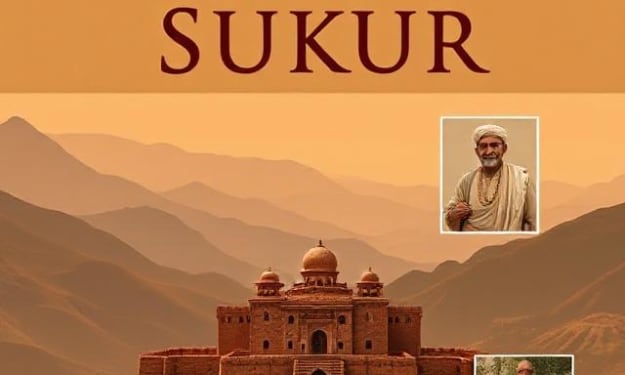
Echoes of Sukur Nigeria’s Ancient Cultural Heights
Sukur Cultural Landscape – Nigeria: A Testament to Enduring African Heritage Nestled high in the Mandara Mountains of northeastern Nigeria, the Sukur Cultural Landscape stands as one of Africa’s most extraordinary living heritage sites. This ancient cultural domain, located in Adamawa State near the border with Cameroon, was inscribed as Nigeria’s first UNESCO World Heritage Site in 1999. What makes Sukur unique is its unbroken chain of traditional practices, spiritual beliefs, and architectural ingenuity that dates back centuries.
By Mukhtiar Ahmad8 months ago in History
The Years 1810 to 1819 Unveiled: Intriguing Facts and Landmark Events
This quick read is a collection of fun facts, trivia, and historical events from the years 1810 to 1819. Discover the decade’s top news stories, most influential people, notable inventions, retail prices, and much more.
By Gregory DeVictorabout 4 hours ago in History


Comments
There are no comments for this story
Be the first to respond and start the conversation.