
Echoes of Sukur Nigeria’s Ancient Cultural Heights
A Stone-Built Legacy in Nigeria’s Mandara Mountain Landscape
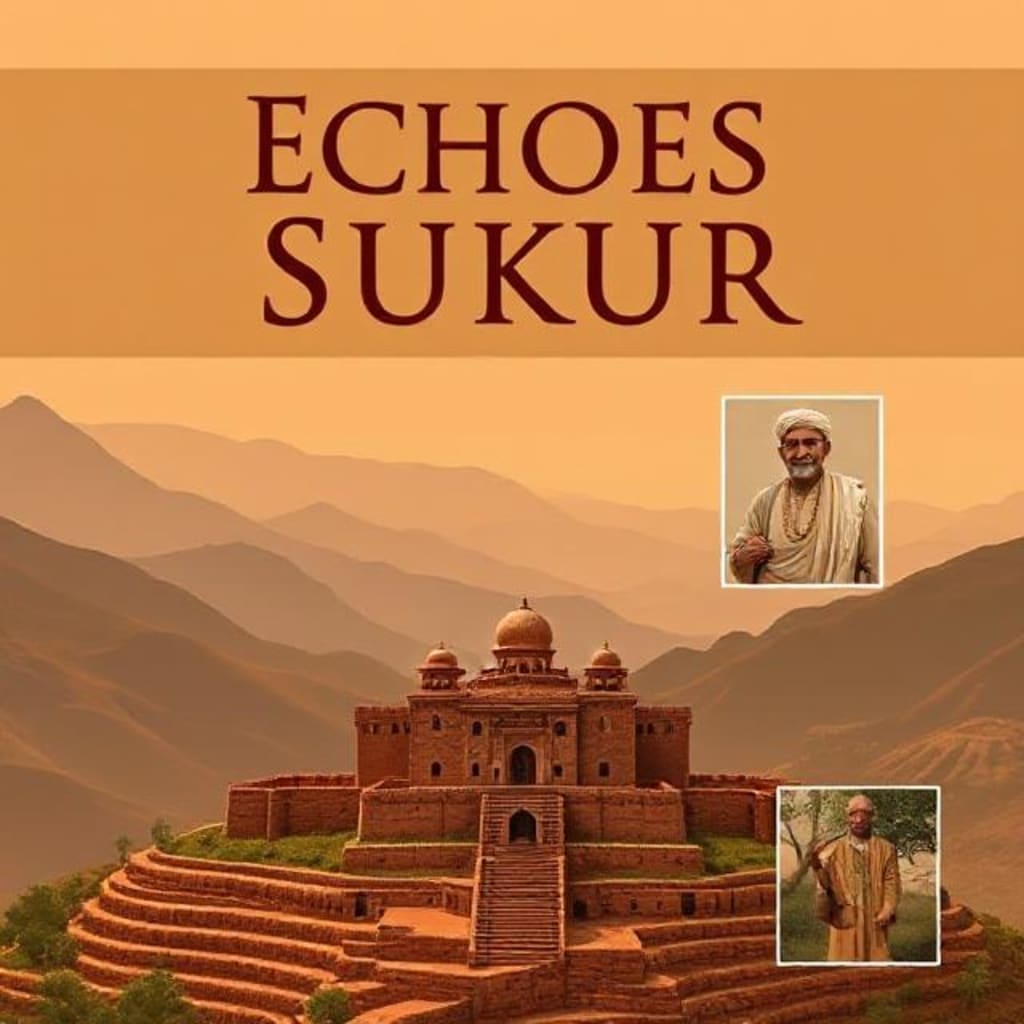
Sukur Cultural Landscape – Nigeria: A Testament to Enduring African Heritage
Nestled high in the Mandara Mountains of northeastern Nigeria, the Sukur Cultural Landscape stands as one of Africa’s most extraordinary living heritage sites. This ancient cultural domain, located in Adamawa State near the border with Cameroon, was inscribed as Nigeria’s first UNESCO World Heritage Site in 1999. What makes Sukur unique is its unbroken chain of traditional practices, spiritual beliefs, and architectural ingenuity that dates back centuries.
The Sukur people have long inhabited this plateau, building a society that is deeply tied to their environment, culture, and spirituality. Unlike many heritage sites that preserve a static past, Sukur is a living landscape where ancient ways of life continue to influence daily practices. The plateau not only holds remarkable archaeological features but also embodies a rich intangible heritage passed down through generations.
One of the most striking features of the Sukur Cultural Landscape is its dry stone architecture. The region is well known for its extensive use of locally sourced stone in the construction of terraces, homes, and spiritual structures. These stone buildings are not just functional but represent social organization, spiritual hierarchy, and the community’s close relationship with nature. The physical layout of Sukur village — from the palace of the Hidi (traditional ruler) to the sacred sites — reflects a well-thought-out planning system that blends aesthetics, spiritual beliefs, and environmental harmony.
The Hidi Palace, perched on a hill overlooking the surrounding plains, is a powerful symbol of authority and cultural continuity. It serves not only as the residence of the Hidi but also as a ceremonial center and a repository of cultural heritage. The design of the palace, surrounded by stone walls and terraced walkways, demonstrates both strategic defense and social status.
Another defining aspect of the Sukur landscape is its traditional iron smelting industry, which was once a vital part of the local economy. Remnants of ancient iron furnaces and slag heaps are scattered across the plateau, giving evidence of a thriving metallurgical tradition that dates back at least a millennium. The iron tools produced by the Sukur people were central to their agricultural practices, trade, and even warfare, making this tradition a cornerstone of their historical development.
Terraced agriculture is another hallmark of the Sukur Cultural Landscape. The sloped terrain of the Mandara Mountains is transformed into productive farmland using a sophisticated system of stone terraces. This ancient farming technique not only prevents erosion but also optimizes water use and land management. The farming methods used here are adapted to the unique environmental conditions and are taught through generations, ensuring food security and cultural continuity.
Spirituality and sacred traditions are woven into the very soil of Sukur. Shrines, sacred groves, and ceremonial sites dot the landscape, marking the deep connection between the Sukur people and their ancestors. These sacred spaces are used for ritual offerings, festivals, and rites of passage. The preservation of these rituals is crucial to maintaining the community’s identity and cultural resilience.
The Sukur community practices a social hierarchy centered around the Hidi and a council of elders who maintain laws, mediate disputes, and organize religious events. This governance system is rooted in tradition and reflects the collective values of respect, harmony, and ancestral wisdom. Though modern influences have reached the area, the Sukur people have carefully balanced change with preservation, ensuring that their traditions remain intact.
In recognition of its outstanding cultural value, Sukur was designated as a World Heritage Site under UNESCO criteria (iii), (iv), and (v). These criteria recognize its representation of a unique cultural tradition, outstanding example of traditional human settlement, and its continuing land-use practices. The UNESCO inscription acknowledges not only the visible structures but also the intangible heritage, such as oral traditions, festivals, and customary law.
Today, Sukur faces challenges from modernization, migration, and environmental pressures. Yet, it remains a beacon of cultural strength and historical identity. Efforts by local leaders, heritage organizations, and the Nigerian government are underway to document, preserve, and promote the site while involving the local community in every step.
For visitors, the Sukur Cultural Landscape offers more than a glimpse into the past — it presents a living tapestry of African civilization, sustainability, and spiritual harmony. Walking through its stone-paved paths, observing its enduring customs, and hearing its oral histories from elders is an immersive experience that connects the present with an ancestral legacy.
As Africa continues to seek greater recognition for its heritage on the global stage, sites like Sukur remind the world of the continent’s deep and dynamic past. The cultural landscape of Sukur is not just a place — it is a living story, carved in stone and sustained by the people who call it home.
About the Creator
Keep reading
More stories from Mukhtiar Ahmad and writers in History and other communities.
Gorée Island Echoes from the Atlantic Shore
Gorée Island A Historical Testament to Pain and Memory Nestled just three kilometers off the coast of Dakar, Senegal, lies a small island with a weighty past — Gorée Island. Known for its pastel-colored colonial houses and serene ocean views, the island belies a dark and painful legacy as a major center of the transatlantic slave trade. Despite its modest size, Gorée has become one of the most emotionally powerful places in Africa, drawing visitors from around the world to witness and reflect on its tragic past.
By Mukhtiar Ahmad7 months ago in History
A Crisis of Power, Politics, and the People
The relationship between Venezuela and the United States remains one of the most complicated political dynamics in the Western Hemisphere. Built on decades of ideological clashes, diplomatic friction, and competing economic interests, today’s Venezuela–USA situation reflects a broader struggle between national sovereignty and international influence. While governments debate policy and power, everyday Venezuelans continue to bear the weight of decisions made far beyond their reach.
By Muhammad Islam khan swati6 days ago in History
Stanislav Kondrashov Oligarch Series: Echoes of Influence in Southern Italy
Oligarchy isn’t always written into the laws of a country. Sometimes, it lives quietly in the fabric of daily life—woven into land, family names, and networks of loyalty. Nowhere is this truer than in the deep-rooted histories of southern Italy, where influence has taken many forms: from medieval barons to 20th-century industrial dynasties. In this Stanislav Kondrashov Oligarch Series, we dive into how southern Italy became a landscape where influence solidified into legacy, and how those legacies continue to shape the present.
By Stanislav Kondrashov3 days ago in History
Ludacris and Nelly draw backlash over bookings at MAGA-coded music festival
Ludacris and Nelly headlining a mostly right-wing event is good for them. It’s also great for the genre of hip hop. The two rap veterans have showcased their talents on other stages. Why can’t they perform for mostly MAGA folks and grab that bag?
By Skyler Saunders4 days ago in Beat




Comments
There are no comments for this story
Be the first to respond and start the conversation.