
What parallels do historians see between the Trump administration and the Nazi regime?
"Echoes of the Past: Examining Historical Parallels Between the Trump Administration and the Nazi Regime"

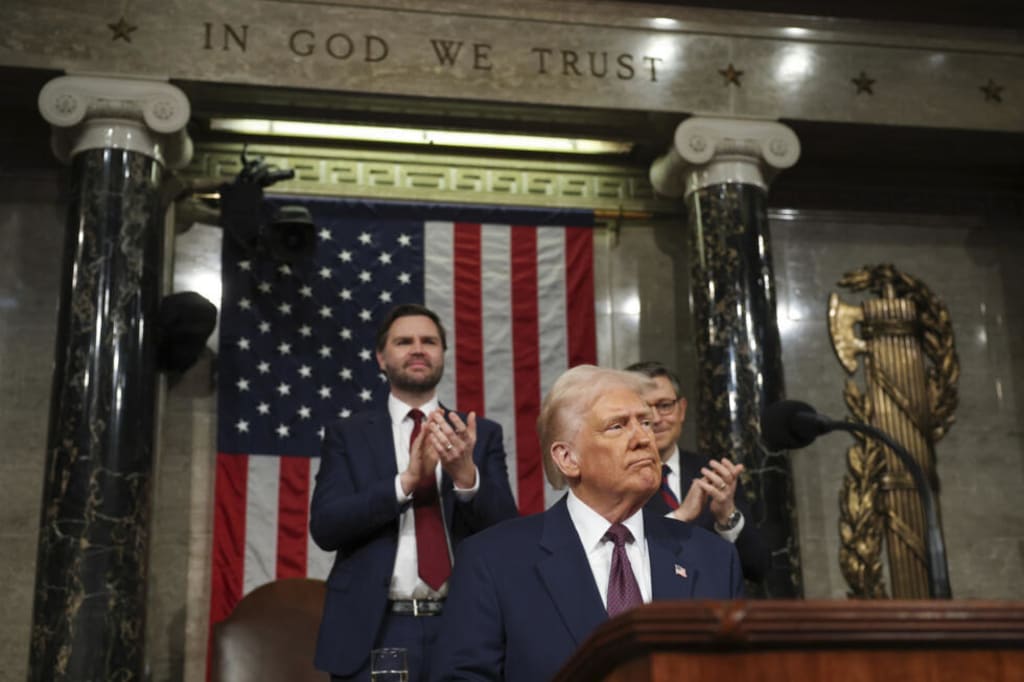
Parallels Between the Trump Administration and the Nazi Regime: A Historical Perspective
Historians often analyze political movements and leadership styles by drawing comparisons to past events. In recent years, some scholars and political commentators have identified parallels between the administration of Donald Trump (2017–2021) and the Nazi regime under Adolf Hitler (1933–1945). While such comparisons are contentious and should be approached with nuance, certain themes and tactics appear similar. This article explores these parallels while acknowledging the vast differences in historical context and impact.
Populism and Nationalism
Both Trump and Hitler rose to power by capitalizing on nationalist sentiments and appealing to a sense of national decline. Trump’s “Make America Great Again” slogan echoes Hitler’s rhetoric about restoring Germany’s lost glory following its defeat in World War I. Both leaders positioned themselves as champions of the “common people” against elites, fostering a deep sense of populist resentment.
Scapegoating and Xenophobia
The Nazi regime notoriously scapegoated Jews, blaming them for Germany’s economic and social problems, which ultimately led to the Holocaust. While Trump did not advocate genocide, he similarly used xenophobic rhetoric to rally support. His administration targeted immigrants, particularly from Latin America and Muslim-majority countries, often portraying them as criminals, rapists, or terrorists. Policies such as the Muslim travel ban and family separations at the U.S.-Mexico border were widely criticized as discriminatory and inhumane.
Media Manipulation and Discrediting the Press
Both Hitler and Trump aggressively attacked the media. The Nazis established the Ministry of Public Enlightenment and Propaganda under Joseph Goebbels to control public information and spread disinformation. Trump, though lacking centralized media control, frequently dismissed unfavorable coverage as “fake news” and branded the press as the “enemy of the people.” His administration also promoted conspiracy theories that undermined trust in democratic institutions.
Undermining Democratic Institutions
The Nazi Party gradually dismantled Germany’s democratic system through emergency decrees, suppression of opposition, and manipulation of legal structures. While the U.S. democratic framework remained intact under Trump, his repeated attempts to delegitimize elections—culminating in the January 6th Capitol riot—raised concerns about the erosion of democratic norms. His refusal to accept the results of the 2020 election mirrored authoritarian tactics used to cling to power.
Cult of Personality and Authoritarian Tendencies
Both leaders cultivated a fervent personal following. Hitler’s charisma and oratory skills were instrumental in mobilizing mass support, and Nazi propaganda portrayed him as Germany’s savior. Similarly, Trump’s rallies and social media presence fostered a dedicated base that viewed him as an almost messianic figure. His admiration for authoritarian leaders like Vladimir Putin and Kim Jong-un further fueled concerns about his governing style.
Use of Violence and Paramilitary Groups
While Trump did not create state-sponsored violence on the scale of the Nazi regime, he encouraged aggression from his supporters. The Proud Boys, Oath Keepers, and other far-right groups acted similarly to the Nazi SA (Sturmabteilung or Brownshirts), intimidating political opponents and engaging in violent clashes. His rhetoric around “law and order” often emboldened such groups, culminating in the storming of the U.S. Capitol.
Key Differences and Contextual Considerations
Despite these parallels, historians caution against direct equivalency. The United States under Trump remained a functioning democracy with checks and balances, whereas Nazi Germany became a totalitarian state that orchestrated genocide. The level of systemic violence and suppression under Hitler far exceeded anything seen under Trump. However, the similarities in political tactics serve as warnings about the fragility of democratic institutions and the potential for authoritarianism.
Conclusion
While Trump’s administration did not mirror the Nazi regime in its totalitarianism or genocidal policies, historians identify concerning parallels in rhetoric, political strategy, and the erosion of democratic norms. These comparisons serve as reminders of the dangers of unchecked nationalism, propaganda, and authoritarian tendencies. Understanding these historical echoes can help prevent the mistakes of the past from repeating in new forms.
About the Creator
Sohel Tanvir
I want nothing more than to dedicate my life to writing, so I figured I would start here to test the waters. I will be submitting stories to as many communities as possible.
Keep reading
More stories from Sohel Tanvir and writers in History and other communities.
Valve's Deckard VR headset. It sounds like a Steam Deck with a head strap, and that's a very good thing
The Evolution of Valve's VR Endeavors Valve's journey into virtual reality began with the introduction of the Valve Index, a high-fidelity VR system that received acclaim for its advanced features and immersive experience. Building upon this foundation, Valve is now venturing into standalone VR technology with Deckard, aiming to provide a wireless, all-in-one VR solution that doesn't compromise on performance or quality.
By Sohel Tanvir11 months ago in History
Flying Tic-Tac in Denver Metro among recent Colorado UFO sightings
A skywatcher in Lakewood reported to the National UFO Reporting Center in December that they saw a metallic disc in the sky. According to the report, the object “hovered silently, glided side-to-side, then shot upward at high speed—unlike any known aircraft.”
By David Heitzabout 15 hours ago in History
"Game of Thrones: A Tale of Power, Betrayal, and Destiny"
In the vast and divided land of Westeros, power was everything. Noble houses ruled their regions, bound together by fragile alliances, old grudges, and a constant hunger for the Iron Throne—the seat of supreme authority. Though summer had lasted for many peaceful years, whispers of change moved with the cold wind. Winter, long feared, was coming.
By The best writer 8 days ago in History
The CEO of Everything
They say "jack of all trades, master of none," but they forgot to mention the part where the jack of all trades is also the camera woman, the makeup artist, and the person currently yelling at a tangled Wii microphone cable in a her own bathroom while recording herself singing and trying to make it look realistic and professional. (As professional as you can make it with nothing but a cell phone camera and a mic that doesn't work)
By Sara Wilson4 days ago in Humans



Comments (1)
Trump Trump. Nowadays Trump is trending. He just caught up 😂😂😂