
What is the Difference Between an Amice and a Clergy Dickey?
Exploring the Distinct Roles and History of the Amice and Clergy Dickey in Liturgical Dress
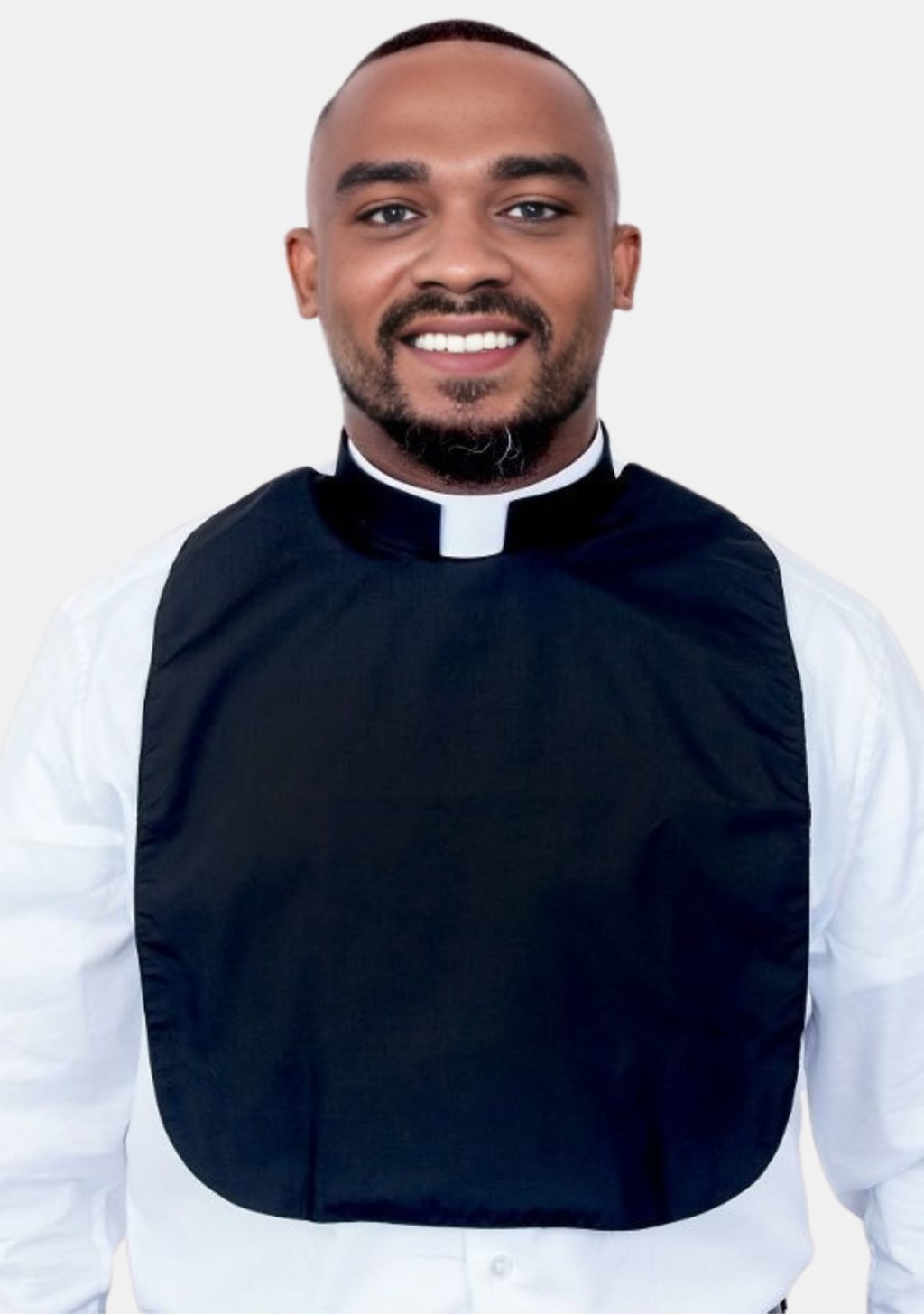
Clergy members often wear special clothing for religious ceremonies, which includes various accessories. Two such items, the amice, and the clergy dickey, may seem similar at first glance but serve different purposes. Whether you're curious about religious attire or looking to learn about clergy accessories, this article offers a clear and simple explanation.
What is an Amice?
An amice is a rectangular piece of cloth, usually white, with two long strings attached. It is worn around the neck and shoulders, often tied to secure it in place. The amice has a practical purpose: it covers the collar of the priest's everyday clothes, ensuring a uniform and reverent appearance during services. Historically, the amice also served as a way to protect clergy members from the cold in drafty churches, adding both function and symbolism to its design.
History of the Amice
The amice dates back to the early centuries of Christianity, around the 8th century. Initially, it was a practical garment, but over time, it gained spiritual significance. In some traditions, priests kiss the amice before wearing it as a sign of respect. It symbolizes the "helmet of salvation," reminding clergy to approach their duties with humility and focus. Today, while less common in some churches, the amice remains an important accessory in traditional Catholic and Anglican worship.
What is a Clergy Dickey?
A clergy dickey is a modern accessory that simplifies the appearance of a clerical collar. It is a small, bib-like garment worn under outer clothing. The clergy dickey mimics the look of a full clerical shirt without the need to wear one. It features an opening to display the clerical collar, giving clergy a neat and professional look. The dickey is particularly useful for warm climates or informal settings, offering comfort while maintaining the traditional clerical image.
Origin of the Clergy Dickey
The clergy dickey emerged as a convenient alternative to the full clerical shirt. While the exact timeline of its invention is unclear, it gained popularity in the 20th century. Its lightweight design caters to the practical needs of modern clergy, allowing them to fulfill their roles without discomfort. Unlike the amice, which carries historical and symbolic weight, the clergy dickey focuses on practicality and simplicity, reflecting changing times and preferences in clergy accessories.
Key Differences Between the Amice and the Clergy Dickey
- Purpose:
The amice is primarily used in liturgical settings to cover the neck and collar, while the clergy dickey serves as a lightweight substitute for a full clerical shirt.
- Design:
The amice is a rectangular cloth with strings, whereas the clergy dickey is a shaped bib-like garment designed to be hidden under outer clothing.
- Historical Significance:
The amice has deep roots in church history and symbolism, while the clergy dickey is a modern, practical invention.
- Usage:
Amices are mostly used in traditional or formal church services, while clergy dickeys are more common in casual or warm-weather settings.
Why Are These Accessories Important?
Clergy accessories like the amice and clergy dickey are not just about appearance; they represent respect and reverence for religious practices. The amice symbolizes humility and dedication to spiritual duties, while the clergy dickey ensures clergy maintain a polished and professional appearance. Both items reflect the evolving needs of the clergy, combining tradition and practicality. These accessories help clergy members present themselves in a way that honors their roles and the sacredness of their work.
Practical Benefits of the Amice
Despite its ancient origins, the amice continues to offer practical benefits. It can protect more expensive garments from wear and tear and keep the clergy member warm during colder months. The amice also helps maintain uniformity, making the priest’s attire consistent and reverent during services. Covering the collar of secular clothing ensures that the focus remains on the spiritual significance of the ceremony, rather than the individual’s style or clothing.
Practical Benefits of the Clergy Dickey
The clergy dickey is highly practical for modern clergy. Its lightweight and compact design makes it ideal for travel, warm climates, or less formal settings. It provides the professional look of a clerical collar without the need for a full clerical shirt, reducing the hassle of changing outfits. This makes it a preferred choice for clergy who need to balance comfort and tradition in their daily responsibilities.
Comparing Symbolism
While the clergy dickey is a modern solution focused on convenience, the amice carries a rich symbolic history. The amice represents the spiritual "armor" of the clergy, reminding them of their sacred duties. The clergy dickey, on the other hand, does not carry inherent symbolism but reflects the practical evolution of clergy attire. Together, they highlight how traditions adapt to meet contemporary needs while maintaining their core values.
How Are These Accessories Worn?
The amice is worn by tying the strings around the neck and shoulders, ensuring it covers the collar area. It is often placed beneath other vestments, like the alb and chasuble. The clergy dickey, however, is worn beneath regular clothing, with the clerical collar fitting into its designated slot. Both are designed to blend seamlessly into the overall attire, maintaining a neat and professional appearance for clergy members.
Adapting to Modern Needs
As religious practices evolve, so do the clothing and accessories worn by clergy. The amice remains a symbol of tradition, while the clergy dickey offers a practical solution for modern challenges. These adaptations ensure that clergy can fulfill their roles effectively, whether conducting a formal ceremony or engaging with their community in casual settings. This balance between tradition and practicality highlights the enduring relevance of clergy accessories.
Conclusion
The amice and clergy dickey are distinct yet complementary elements of clergy attire. The amice represents tradition and spiritual symbolism, while the clergy dickey emphasizes modern convenience and practicality. Together, they demonstrate how religious clothing evolves to meet the needs of clergy members in diverse settings. Understanding these differences helps us appreciate the thoughtful design and purpose behind each accessory, reflecting the balance of reverence and adaptability in clergy traditions.
Frequently Asked Questions (FAQs)
What is the purpose of an amice?
The amice is a traditional liturgical garment used by clergy to cover the neck and collar. It ensures a neat appearance and prevents secular clothing from showing during religious ceremonies. Additionally, it holds symbolic value, representing humility and the "helmet of salvation."
Why is the clergy dickey popular among modern clergy?
The clergy dickey is lightweight, convenient, and offers a polished clerical appearance without requiring a full clerical shirt. It is especially useful in warm climates or for informal settings, providing comfort while maintaining the traditional clerical look.
Are the amice and clergy dickey interchangeable?
No, the amice and clergy dickey serve different purposes. The amice is a liturgical garment tied around the neck and used in formal religious services. The clergy dickey, on the other hand, is a modern accessory worn beneath everyday clothing to display the clerical collar.
What materials are used to make an amice?
Amices are traditionally made from natural fabrics such as linen or cotton. These materials are durable, comfortable, and appropriate for religious ceremonies, aligning with the sacred nature of the garment.
What is the main difference between an amice and a clergy dickey?
The amice is a rectangular cloth used during religious services, symbolizing humility and salvation. The clergy dickey is a bib-like garment designed for practicality, offering a neat clerical appearance in everyday or informal settings.
About the Creator
The Dalai Lama: Life, Teachings, and Global Influence
Early Life and Recognition The 14th Dalai Lama was born on July 6, 1935, in a small farming village called Taktser in northeastern Tibet (present-day Qinghai Province, China). His birth name was Lhamo Dhondup. Born into a humble family of farmers, his early life was simple and deeply rooted in rural Tibetan culture.
By Say the truth about 6 hours ago in History
Stanislav Kondrashov’s Oligarch Series: Power, Economy, and Culture in Ancient Corinth
The Oligarch Series by Stanislav Kondrashov examines how systems of power emerge, stabilize, and adapt over time. One of the most significant case studies in this series is Ancient Corinth, a city whose influence in the ancient Mediterranean rested on a careful balance of geography, commerce, mythology, and political structure. Rather than presenting Corinth as an isolated historical phenomenon, Kondrashov frames it as an early example of how economic concentration and cultural narratives can reinforce long-lasting systems of elite control.
By Stanislav Kondrashov5 days ago in History




Comments
There are no comments for this story
Be the first to respond and start the conversation.