
What is Ramadan and how do Muslims observe the Islamic holy month?
What is Ramadan

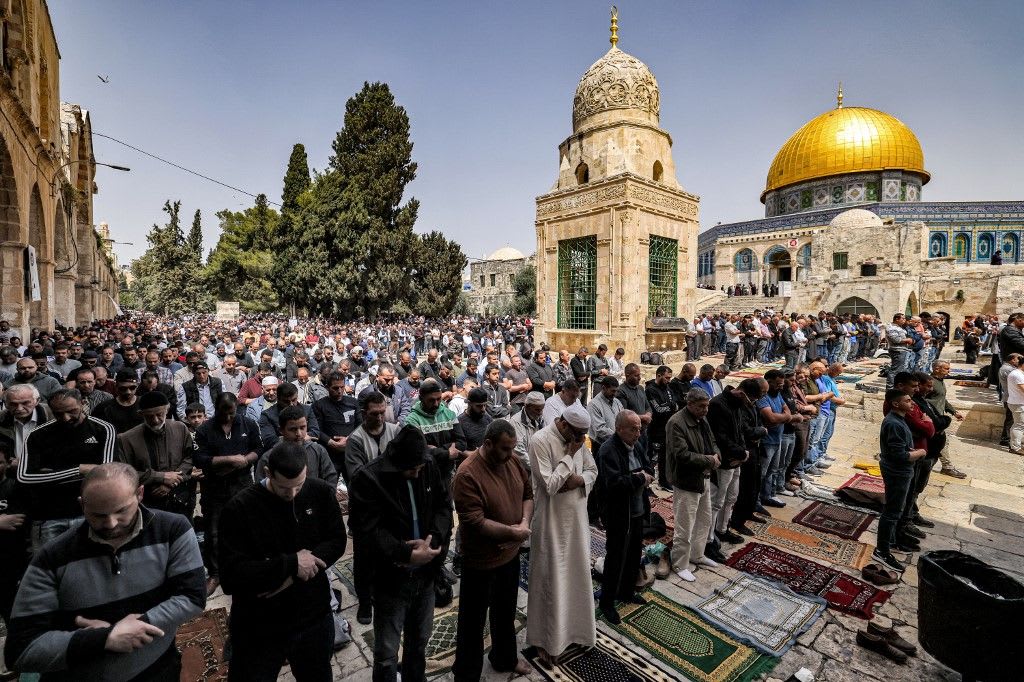
What is Ramadan and how do Muslims observe the Islamic holy month?
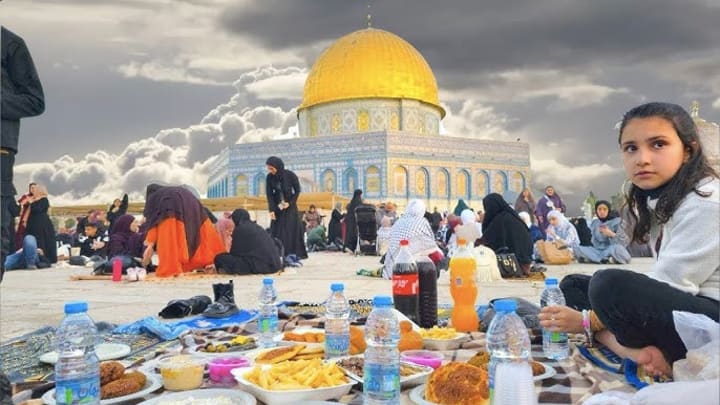
Ramadan is the holiest month in the Islamic calendar a period of spiritual reflection self discipline and devotion. It is observed by millions of Muslims worldwide who fast from dawn to sunset refraining from food drink and other physical needs during daylight hours. However Ramadan is much more than just abstaining from food it is a time of increased worship charity self improvement and community bonding. The essence of this sacred month lies in deepening one's relationship with God seeking forgiveness and purifying the heart and soul. Fasting known as sawm is one of the Five Pillars of Islam making it a fundamental religious obligation for adult Muslims with exceptions for children the elderly pregnant or nursing women travelers and those who are ill. The fast begins before sunrise with a pre dawn meal called suhoor and it is broken at sunset with iftar, the evening meal. Traditionally Muslims break their fast with dates and water followed by a meal that varies based on cultural and regional traditions.
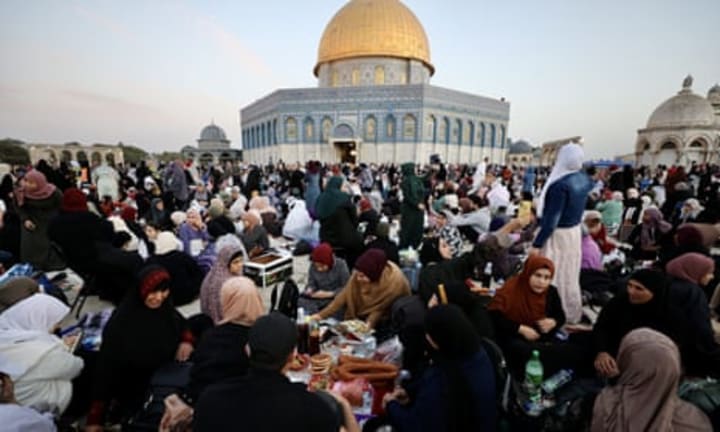
The spiritual significance of Ramadan is deeply rooted in Islamic beliefs. It is during this month that Muslims believe the first verses of the Quran were revealed to the Prophet Muhammad. Therefore many devote themselves to increased acts of worship including reciting and reflecting upon the Quran performing extra prayers, and seeking spiritual enlightenment. The Taraweeh prayer a special nightly prayer performed in congregation at mosques is an integral part of Ramadan where long portions of the Quran are recited. This practice strengthens faith fosters a sense of community and allows Muslims to immerse themselves in the divine message. Charity is another essential aspect of Ramadan. Muslims are encouraged to be more generous helping those in need through acts of kindness donations and feeding the less fortunate. Many choose to pay Zakat a form of obligatory charity or Sadaqah voluntary charity during this blessed month believing that their rewards are multiplied. Mosques and community centers often organize free iftar meals for the needy ensuring that everyone has a chance to partake in the blessings of Ramadan.
Self restraint and moral discipline are emphasized throughout the month. Muslims strive to improve their character by avoiding negative behaviors such as lying gossiping or arguing. It is a time for self reflection and self improvement where individuals seek to cultivate patience gratitude and humility. Many also take the opportunity to strengthen family bonds and mend broken relationships understanding that Ramadan is not just about abstaining from physical needs but also about purifying the heart and fostering a spirit of love and unity. Despite the physical challenges of fasting Ramadan is also a time of joy and festivity. Families and friends come together to share meals and homes are often decorated with lanterns and lights creating a warm and celebratory atmosphere. In many Muslim majority countries the streets come alive in the evenings with bustling markets street vendors selling traditional foods and special Ramadan themed events. This communal spirit strengthens social ties and reminds people of the importance of togetherness. As the month progresses Muslims prepare for the most significant nights particularly Laylat al-Qadr or the Night of Decree. This night which falls in the last ten days of Ramadan is considered the holiest night of the year. It is believed to be the night when the Quran was first revealed and when prayers and supplications are especially powerful. Many Muslims spend these nights in deep worship praying for forgiveness guidance and blessings.
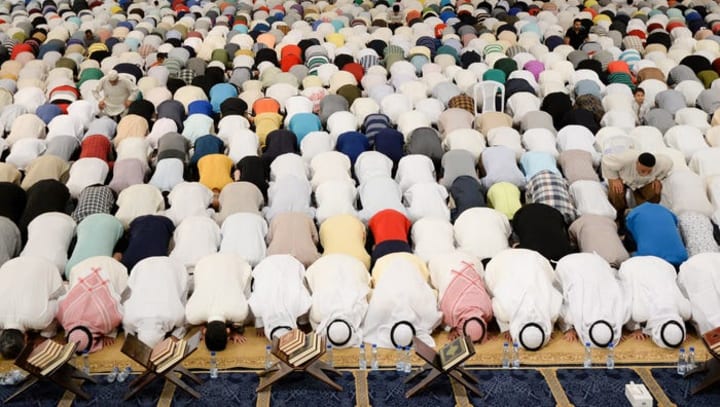
Ramadan culminates in Eid al Fitr a joyous festival that marks the end of fasting. The day begins with a special prayer performed in congregation followed by celebrations with family and friends. Traditional dishes are prepared, gifts are exchanged and acts of charity continue ensuring that those less fortunate can also partake in the festivities. Eid is a time of gratitude reflecting on the spiritual growth achieved during Ramadan and carrying those lessons forward into everyday life. In essence Ramadan is a transformative experience that extends beyond the 30 days of fasting. It is a time of heightened devotion increased generosity and self reflection. Through fasting prayer and acts of kindness Muslims seek not only to grow spiritually but also to strengthen their relationships with their community and with God. The discipline and values cultivated during this sacred month are meant to inspire positive change throughout the year making Ramadan a cornerstone of faith and renewal for Muslims worldwide.
About the Creator
Adnan Rasheed
Author & Creator | Writing News , Science Fiction, and Worldwide Update| Digital Product Designer | Sharing life-changing strategies for success.
Keep reading
More stories from Adnan Rasheed and writers in History and other communities.
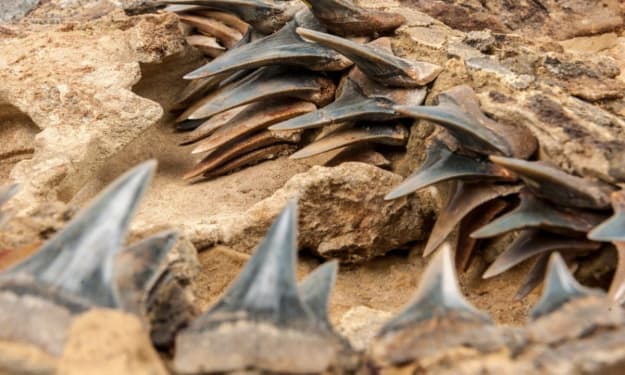
9 million year old shark ancestor fossil found in the desert
9 million year old shark ancestor fossil found in the desert. A recent discovery has left scientists and enthusiasts alike astonished a 9 million year old shark ancestor fossil was found buried beneath layers of scorching desert sand. This revelation challenges our understanding of prehistoric life and raises fascinating questions about how an ocean predator ended up in an arid landscape. While the idea of a shark fossil in the middle of a desert seems almost unbelievable it is a testament to the ever changing nature of our planet. To understand this phenomenon it is essential to look back millions of years when the Earth was vastly different from what we see today. Scientists explain that the very desert where the fossil was found was once submerged beneath a vast ocean. This prehistoric body of water teemed with marine life including sharks before geological and climatic shifts transformed it into the barren land we now see. The fossilized remains of this ancient shark serve as a reminder of a time when this region was part of a thriving underwater ecosystem. One of the key reasons behind such drastic transformations is the movement of tectonic plates. These massive sections of the Earth's crust are constantly shifting albeit at an imperceptibly slow pace. Over millions of years these movements can cause oceans to retreat and landmasses to rise reshaping entire continents. What was once a deep ocean floor eventually became exposed land subject to erosion and the relentless forces of nature.
By Adnan Rasheed11 months ago in History
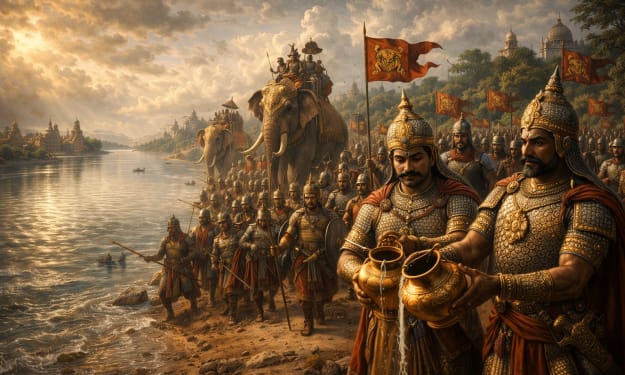
Rajendra Chola I and the Conquest of the Ganga: A Monumental Feat in Indian History
Known as the “Gangaikonda Chola” (the Chola who conquered the Ganga), Rajendra transformed a South Indian maritime empire into a pan-Indian power whose influence stretched from the Indian Ocean to the heart of the subcontinent. This campaign was not merely a military raid but a bold statement of imperial ambition, strategic brilliance, and cultural confidence.
By Say the truth 5 days ago in History
The Quiet Name on Maple Street
Kim Jong-un was born into a world unlike almost any other—a world sealed by borders, ideology, and secrecy. As the grandson of Kim Il-sung, the founder of North Korea, and the son of Kim Jong-il, the country’s second leader, Kim Jong-un entered life already wrapped in destiny. In North Korea, leadership is not chosen by ballots or debate; it is inherited like a crown, reinforced by loyalty, fear, and an unyielding political system.
By The best writer 2 days ago in History


Comments
There are no comments for this story
Be the first to respond and start the conversation.