
What Happens When a Pope Dies? The Vatican’s Next Steps Explained
What happens when a pope dies? Discover the Vatican’s step-by-step process from Sede Vacante to the election of a new pope in this detailed guide.
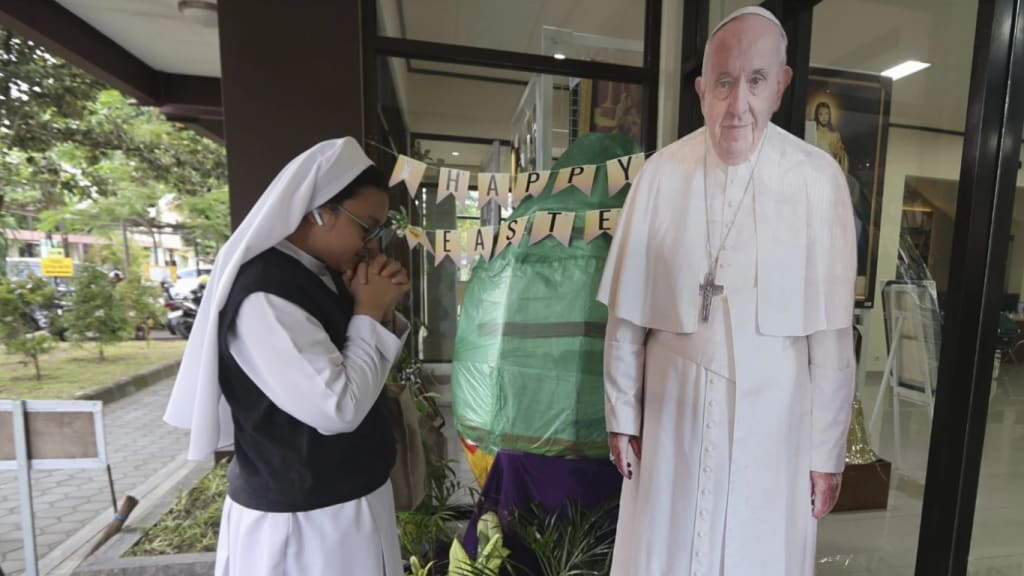
The death of a pope is a momentous event that resonates deeply within the Catholic Church and across the world. When the leader of over a billion Catholics passes away, centuries-old traditions and precise protocols are immediately set into motion. But what really happens when a pope dies? From the moment the death is confirmed to the election of a new pontiff, the Vatican follows a sacred sequence of events designed to honor the deceased pope and guide the Church into its next chapter.
The Moment of Death: Verifying and Announcing the Passing
When a pope dies, the first official step is to confirm the death. The Camerlengo of the Holy Roman Church—currently Cardinal Kevin Farrell—is responsible for verifying the pontiff’s passing. This role, often overlooked, becomes crucial during this transitional phase. The Camerlengo formally declares the pope’s death and takes temporary charge of the Vatican’s daily operations.
The news is then communicated to the Dean of the College of Cardinals, who informs the rest of the cardinals worldwide. Soon after, the Vatican releases an official statement, and flags are lowered to half-staff. Bells toll across St. Peter’s Basilica, and the global media reports the news.
Sede Vacante: The Seat of Peter Is Vacant
The death of the pope ushers in a period known as Sede Vacante, Latin for “the seat being vacant.” During this time, the usual governance of the Church is suspended. No major decisions can be made, and the papal apartments are sealed. The Camerlengo becomes the temporary administrator but does not possess the pope’s spiritual authority.
This period typically lasts for 15 to 20 days, during which preparations are made for the funeral, mourning rituals, and, most importantly, the conclave—the secretive gathering to elect the next pope.
Funeral Rites: Honoring the Pope's Legacy
A pope’s funeral is both a spiritual event and a public ceremony. The Vatican observes a nine-day mourning period known as novemdiales. During this time, masses are held daily, and Catholics around the world pray for the soul of the departed pope.
The funeral usually takes place in St. Peter’s Square, attended by world leaders, clergy, and the faithful. The pope is laid to rest beneath St. Peter’s Basilica in the Vatican Grottoes. While popes can choose their burial preferences, tradition plays a large role in the final arrangements.
The Papal Conclave: Choosing the Next Pope
The most watched event following a pope’s death is the papal conclave, the highly secretive process by which a new pope is elected. Only cardinals under the age of 80 are eligible to vote, which currently includes 138 members from around the world.
The cardinals are sequestered within the Vatican, primarily in the Sistine Chapel, where they vote in multiple rounds until a candidate receives a two-thirds majority. No phones, internet, or outside communication is allowed, ensuring a spiritually focused and confidential process.
Once a new pope is elected, white smoke billows from the Sistine Chapel’s chimney, signaling to the world that a successor has been chosen. The bells of St. Peter’s ring, and the Church proclaims: Habemus Papam—“We have a Pope.”
The First Appearance: A New Chapter Begins
After the election, the newly chosen pope changes into papal vestments and steps out onto the balcony of St. Peter’s Basilica to greet the world for the first time. This moment is often powerful and symbolic, as it marks a new chapter for the Catholic Church.
The new pope chooses a papal name and immediately assumes the spiritual leadership of the Church. While formal ceremonies and inaugurations follow, the pontiff is considered pope the moment he accepts the role.
Why the Process Matters to Catholics
For many Catholics, this process is more than a political transition—it is a sacred tradition rooted in divine guidance. The election of a pope is believed to be inspired by the Holy Spirit, ensuring that the Church is led by someone chosen not just by men, but by God.
Understanding what happens when a pope dies allows the faithful to engage more deeply with the rituals and teachings of their Church. It also offers insight into how the Vatican balances centuries of tradition with the demands of a modern, global religion.
Conclusion: Sacred Transition and Timeless Rituals
The death of a pope may mark the end of one papacy, but it also signals the beginning of another. With precise rituals, sacred ceremonies, and global participation, the Catholic Church navigates this solemn moment with reverence and unity.
From the initial declaration of death to the first appearance of a new pope, every step reflects the Church’s commitment to continuity, tradition, and spiritual leadership. As the world watches and waits for white smoke, Catholics find solace in knowing that the process is both timeless and divinely guided.
About the Creator
Keep reading
More stories from Sangita Nandi and writers in History and other communities.
Francis Scott Key: The Poet Behind "The Star-Spangled Banner"
Francis Scott Key, an American lawyer and poet, left an indelible mark on the fabric of American history through his immortal composition, "The Star-Spangled Banner." Born on August 1, 1779, in Maryland, Key's life journey would lead him to witness a pivotal moment in American history, immortalizing it in verse.
By Sangita Nandi2 years ago in History



Comments (1)
May him blessings.