
What Does the Fourth of July Mean to Black Americans? A Deep Dive Into History and Identity
Fourth of July

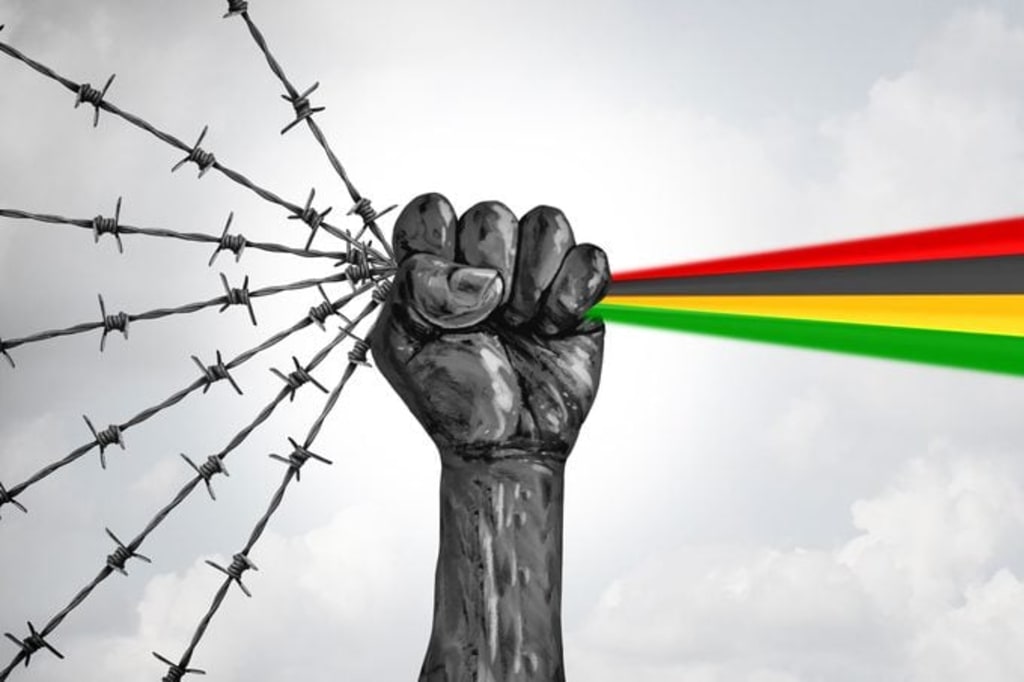
Every year, the Fourth of July brings fireworks, cookouts, flags, and patriotism. For many Americans, it is a day of festivity—an occasion to celebrate the birth of a nation and the ideal of freedom. Yet, for Black Americans, the Fourth of July often takes on different meanings. It is a day when Americans are invited to celebrate and think, be happy and uneasy, and feel pride and pain. So, what does 4th of July mean to Black People? In order to answer this question requires a closer look into the past, and the ongoing story of Black identity in America.
A Nation Born… But Not for All
When the Declaration of Independence was signed in 1776, it announced that "all men are created equal." But for enslaved Africans in the colonies, oblivious to freedom, rights, or voice, the words were empty. The birth of American independence did not deliver liberation for all. In fact, many of the founding fathers owned slaves while also rallying for liberty.
This contradiction is key to how Independence Day is understood by Black Americans. On this day, celebrating freedom, none was conceived as intended for all. That only announced the beginning of the long and painful fight for equality, which still goes on today.
Frederick Douglass and the Legacy of His Words
One of the most noteworthy reflections on the Fourth of July must be attributed to the abolitionist and orator Frederick Douglass. In 1852, Douglass delivered a speech entitled "What to the Slave Is the Fourth of July?" before an audience of white abolitionists gathered in Rochester, New York. Douglass did not mince words: "This Fourth of July is yours, not mine. You may rejoice, I must mourn."
Douglass argued against the hypocrisy of a celebration of freedom in a land where millions were still enslaved. His words resound with many Black Americans today, who, generations later, still wrestle with the burdens of systemic racism, inequality, and injustice.
The space that the speech occupies is one of the founding texts that lend an importance to the understanding of the Black American view of the holiday. It's not just about fireworks and parades but about the struggles between the ideals purported by the nation and that which this nation truly represents.
The Evolution of Celebration
True to their reputation, throughout this complicated history, Black Americans have been celebrating the Fourth of July and assertively mixing their culture, resistance, and joy into the day. Many Black communities hold cookouts, play music, gather with family, and enjoy fireworks together. For them, those moments are not just celebrations of America but of Black excellence and survival, and of the freedom we so much toil for. For some, the Fourth is a day to reclaim space in a social order that has excluded them. For others, it is an introspective day, one not meant for any fireworks and parades but rather for subdued reflection.
Juneteenth honors the date slavery ended in this country, and various Black Americans decided, post-George Floyd protests, to increasingly focus celebration on this holiday rather than the Fourth. It isn't about denying America; it's about rooting Black history, Black freedom, and Black joy in a timeline that includes us.
The Intersection of Patriotism and Protest
For a lot of Black Americans, the love for this country translates into making it accountable for its actions. It means recognizing potential while also calling out its failures. That duality—loving America and trying to make it better—is something which Black people have lived with for centuries.
Buffalo Soldiers and Tuskegee Airmen served their country while facing the humiliations of segregation; from them to Civil Rights leaders who sacrificed their lives all around the ambition that this country should live up to its own ideals, these have been the consistent efforts of Black Americans to give shape to what freedom really looks like.
Here is a time to remember the struggle that still goes on, and remember the Black Americans who have worked hard to contribute to the nation long before it was willing to recognize them.
What Freedom Means Today
The meaning of the Fourth of July for Black Americans in the present era remains a contested one. For some, it is a celebration, a time of coming together. For others, it is a reminder of the work left undone. It can be both a barbecue and a rally. A fireworks show and a moment of silence.
Freedom to Black Americans has never been a gift: It has always been fought for and, at times, refused. Yet we still persevere: creating community, nurturing culture, and redefining what it is to be an American.
Final Thoughts
The Fourth of July for Black Americans has always meant something very different from an act of patriotism; instead, our history weaves a much more complex and gruesome story. For generations, this means that for Black people in America, the celebration of freedom in this country and our fight for that freedom have been at odds.
This is where organizations such as the Black Heritage Society come to play, preserving and promoting the known truth of that history. By recognizing the Black experience in America and keeping the stories of resistance and resilience alive, they deepen our understanding of what freedom really means—and who still must fight for it.
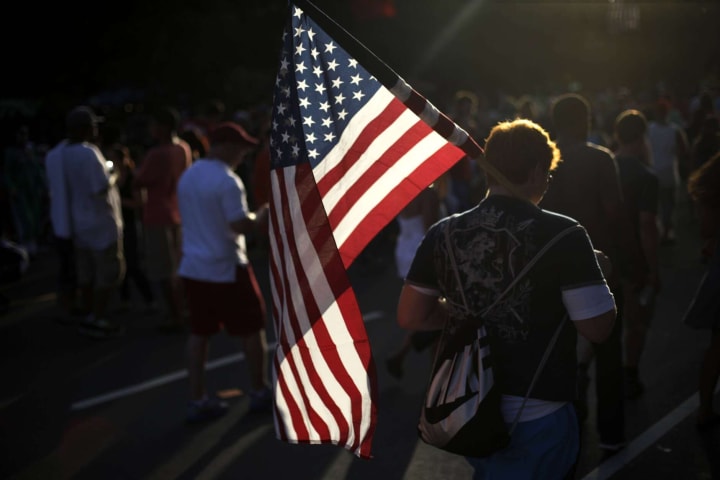
Some will party and some will ponder as the pyrotechnics crackle and whirl and the banners tremble in the breeze; many will do both. Because the position of people being Black in America means embodying joy and justice, remembrance and resilience. July 4th is much more than celebrating the independence of a nation; it is a reminder that the fight for freedom still holds relevance, and Black Americans have always been front and center in that fight.
So, on July 4, whether you are with family, attending a community event, or supporting the work of the Black Heritage Society, reflect on how we can continue to walk toward a tomorrow in which freedom is more than an aspirational idea; it is a reality in the flesh for everyone.
About the Creator
Rhode Island Black Heritage Society
The Rhode Island Black Heritage Society preserves and shares the rich history of Black Rhode Islanders through archives, education, lectures, and community engagement. Visit at-http://www.riblackheritage.org/
Keep reading
More stories from Rhode Island Black Heritage Society and writers in History and other communities.
How The Book of Truth RI Is Changing Perspectives in Rhode Island
In today’s world of fast news and filtered stories, people are looking for something more real and grounding. That's precisely why The Book of Truth RI is so powerful. In its second line of purpose, The Book of Truth RI seeks to expose authentic stories and experiences long silenced or overlooked.
By Rhode Island Black Heritage Society 9 months ago in Journal
Julius Caesar: Strategy and Charisma
History has produced many brilliant commanders and countless ambitious politicians, but few individuals have fused strategy and charisma as completely as Julius Caesar. Others ruled through fear, tradition, or divine claims. Caesar ruled through belief. Men followed him not merely because he commanded armies, but because he convinced them—emotionally, psychologically, and symbolically—that his success was their destiny.
By Fred Bradford4 days ago in History



Comments
There are no comments for this story
Be the first to respond and start the conversation.