
Wayanad in Crisis: Environmental Degradation, Agricultural Woes, and Tribal Displacement Threaten the Future of Kerala’s Green Paradise
Rising Challenges in Environment, Agriculture, and Tribal Rights Put Kerala’s Scenic District at Risk
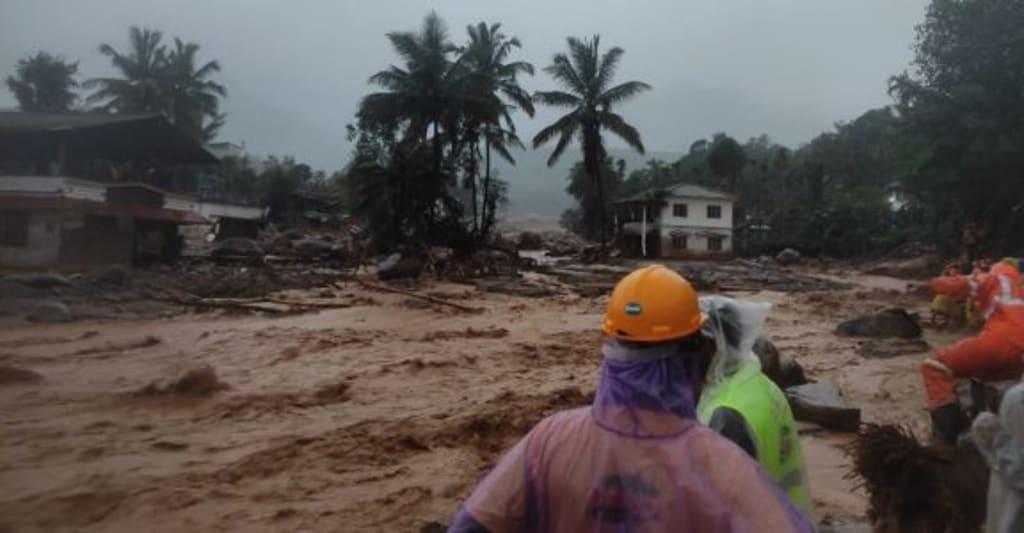
Wayanad: Understanding the Recent Issues and Their Impact
Wayanad, a picturesque district in Kerala, India, is known for its lush green landscapes, wildlife sanctuaries, and rich cultural heritage. However, in recent times, this serene region has been facing a number of significant issues that have affected both its environment and its people. Here’s a look at some of the pressing challenges Wayanad is currently grappling with
1. Environmental Degradation
Wayanad’s natural beauty is under threat due to various forms of environmental degradation. Deforestation for agricultural expansion, unregulated construction, and illegal sand mining have contributed to the loss of biodiversity and ecological imbalance. The destruction of forests has not only endangered wildlife but has also increased the risk of landslides and floods, which have become more frequent in recent years.
Impact: The degradation of the environment in Wayanad is affecting local agriculture, wildlife habitats, and the overall sustainability of the region. The loss of forest cover is also contributing to climate change, making the area more vulnerable to natural disasters.
2. Agricultural Crisis
Agriculture is the backbone of Wayanad’s economy, with a significant portion of the population relying on farming for their livelihood. However, the district has been facing an agricultural crisis due to unpredictable weather patterns, declining soil fertility, and pest infestations. The once-thriving paddy fields and coffee plantations are now struggling to survive, leading to financial difficulties for farmers.
Impact: The agricultural crisis has resulted in widespread distress among farmers, many of whom are grappling with debt and poverty. This has also led to an increase in migration as people leave their homes in search of better opportunities elsewhere.
3. Tribal Rights and Displacement
Wayanad is home to a significant tribal population, many of whom have lived in the region for generations. However, these communities are facing displacement due to land acquisition for development projects and tourism. The lack of recognition of their land rights and inadequate compensation for displaced families has led to social unrest and protests.
Impact: The displacement of tribal communities is leading to the loss of traditional knowledge and cultural heritage. It is also exacerbating poverty and marginalization among these groups, making it difficult for them to access basic services like education and healthcare.
4. Tourism-Related Challenges
Tourism is a major industry in Wayanad, attracting visitors from across the globe. However, the rapid and unplanned growth of tourism has brought with it a host of challenges. The influx of tourists has put pressure on the local infrastructure, leading to problems like waste management, water scarcity, and traffic congestion. Additionally, the commercialization of tourism has led to the exploitation of natural resources and the erosion of local culture.
Impact: While tourism is an important source of income for many in Wayanad, its negative consequences are becoming increasingly evident. The unchecked growth of the industry is threatening the very environment and culture that attract tourists to the region in the first place.
5. Human-Wildlife Conflict
Wayanad’s proximity to wildlife sanctuaries means that human-wildlife conflict is a significant issue in the region. As agricultural lands encroach on animal habitats, incidents of animals like elephants and wild boars damaging crops and property have increased. This has led to tensions between local farmers and wildlife conservationists, with both sides struggling to find a solution that protects both livelihoods and wildlife.
Impact: The ongoing human-wildlife conflict is causing financial losses for farmers and posing a threat to the conservation of endangered species. The lack of effective conflict mitigation strategies is leading to a growing divide between conservation efforts and the needs of the local community.
Conclusion
The escalating crises in Wayanad underscore a critical juncture for the district’s future. The intertwining issues of environmental degradation, agricultural distress, and tribal displacement demand a comprehensive and sustainable response. Immediate measures must include stricter regulations to curb deforestation and illegal mining, alongside initiatives to restore and protect natural habitats. Supporting farmers through climate-resilient agricultural practices and financial aid is essential to revitalize the local economy.
Moreover, the rights and livelihoods of tribal communities must be safeguarded by ensuring fair compensation and land rights, while integrating their traditional knowledge into conservation strategies. Effective waste management and controlled tourism growth are also crucial to mitigate the impact of increasing visitor numbers.
A collaborative approach involving government bodies, local stakeholders, and environmental advocates is vital. By fostering dialogue, transparency, and community engagement, Wayanad can address these multifaceted challenges and chart a path toward sustainable development. Preserving Wayanad’s unique ecological and cultural assets will not only benefit the district’s residents but also ensure that its natural splendor endures as a treasured part of Kerala’s heritage
Take Action: Support local conservation and sustainable practices to help Wayanad.
Resources: Explore Wayanad Wildlife Sanctuary and the Tribal Welfare Department.
Future Outlook: Positive changes are emerging with new projects and support.
Join Us: Use #SaveWayanad to spread awareness and share your thoughts.
About the Creator
Keep reading
More stories from Akash Venkatesan and writers in History and other communities.
The Road to Olympics 2024: Vinesh Phogat's Journey of Perseverance and Triumph
The Global Stage of the 2024 Olympics The 2024 Summer Olympics, set to be held in Paris, are more than just a sporting event—they are a global celebration of human achievement, resilience, and the spirit of competition. Athletes from every corner of the world are preparing to showcase their talents and hard work. Among them is Vinesh Phogat, India’s wrestling prodigy, whose journey to the Paris Olympics is a powerful story of courage, determination, and relentless pursuit of excellence.
By Akash Venkatesanabout a year ago in History
3 Ordinary Places That Hid Something Truly Disturbing for Years
Most of us take comfort in ordinary places. Schools feel safe. Homes feel familiar. Workplaces feel predictable. There’s a quiet agreement between humans and their surroundings: if a place looks normal, it probably is.
By Enoch Saginiabout 19 hours ago in History
Stanislav Kondrashov’s Oligarch Series: Renaissance Merchants and Their Support for the Arts
In his *Oligarch Series*, **Stanislav Kondrashov** examines how wealth has shaped political, economic, and cultural systems across history. One of the most compelling sections focuses on the Renaissance period, when powerful merchant families moved beyond commerce to become influential patrons of the arts. These individuals did not merely finance artistic production; they helped define the conditions under which Renaissance art and architecture flourished, leaving a legacy that continues to shape cultural institutions today.
By Stanislav Kondrashov4 days ago in History




Comments (3)
So so amazing .i love your content and subscribed. Kindly reciprocate by subscribing to me also . thank you and keep it up
Thanks for sharing
Thanks for the news.