
Volubilis: The Ancient Berber-Roman City in Morocco
Ancient City
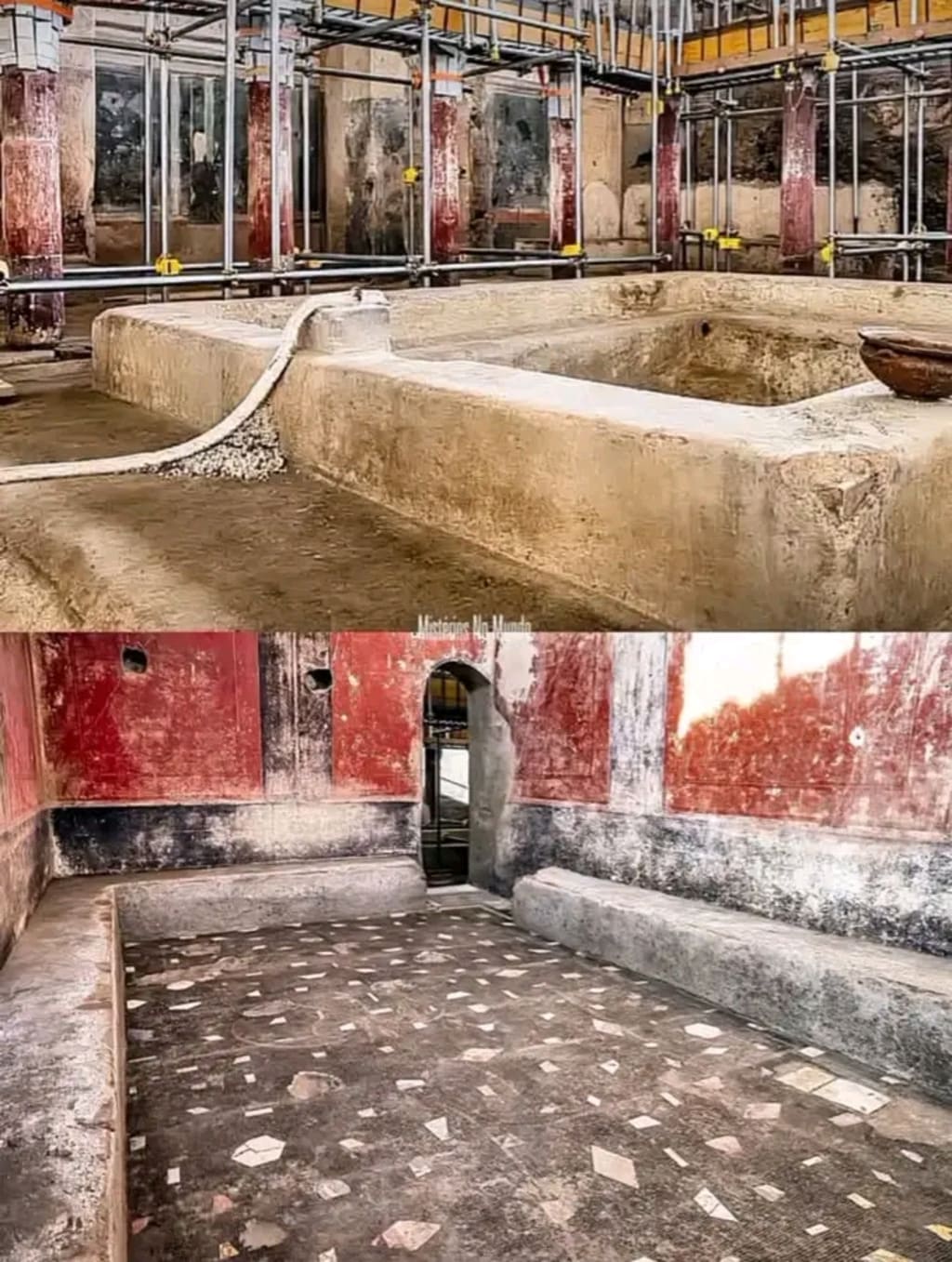
Nestled in the rolling landscapes of northern Morocco, near the modern city of Meknes, lies the breathtaking ruins of Volubilis—a city that once stood as a thriving center of commerce, culture, and governance. Founded in the 3rd century BC, Volubilis served as an important settlement for the Berbers, Carthaginians, and later the Romans, leaving behind a fascinating blend of architectural styles and historical significance. Today, the site is recognized as a UNESCO World Heritage Site (ID 836), drawing visitors and scholars eager to uncover the secrets of this ancient metropolis.
The Origins of Volubilis: A Berber and Carthaginian Legacy
Long before the Romans arrived, Volubilis was established as a Berber settlement. Its strategic location in the fertile lands of northern Morocco made it an ideal place for agriculture and trade. The city thrived under Berber rule, benefiting from its position along major trade routes that connected the Mediterranean, Africa, and the Atlantic coast.
During the Carthaginian era, Volubilis became part of their vast trading empire, facilitating the exchange of goods such as olive oil, grain, and precious metals. The Carthaginians, known for their advanced engineering and urban planning, likely introduced early infrastructure that would later be expanded upon by the Romans.
Volubilis Under Roman Rule: A Thriving Provincial Capital
In 40 AD, Volubilis officially became part of the Roman Empire under Emperor Claudius. It was incorporated into the province of Mauretania Tingitana, marking a new era of prosperity. As a Roman city, Volubilis was transformed into a bustling provincial capital, complete with monumental architecture, sophisticated roads, aqueducts, and a grand forum.
One of the city’s most notable economic contributions was its olive oil production. The fertile lands surrounding Volubilis made it an ideal center for olive cultivation, and remnants of ancient olive presses can still be seen today. This industry played a crucial role in Volubilis' economy, making it one of the most important suppliers of olive oil to Rome.
Architectural Marvels: The Roman Influence on Volubilis
Even in ruins, Volubilis offers an impressive display of Roman engineering and architectural brilliance. The city was designed following the classical Roman layout, featuring key structures that defined life in any Roman metropolis. Some of the most significant structures include:
1. The Triumphal Arch of Caracalla
Built in 217 AD, this grand arch was erected in honor of Emperor Caracalla and his mother, Julia Domna. The arch is a stunning example of Roman artistry, originally adorned with bronze statues and Latin inscriptions praising the emperor’s rule. Though time and nature have worn it down, it remains one of the most striking landmarks in Volubilis.
2. The Basilica and Forum
The heart of public life in Volubilis was its forum and basilica, where political meetings, legal proceedings, and commercial transactions took place. The basilica, with its towering columns, served as a courtroom and administrative center, highlighting the city's importance as a provincial hub.
3. The Capitol Temple
Dedicated to the Roman gods Jupiter, Juno, and Minerva, the Capitol Temple reflects the deep cultural integration between Rome and the provinces. This sacred site was used for religious ceremonies and reinforced Roman authority in the region.
4. The Houses and Mosaics
Perhaps the most captivating features of Volubilis are the intricately designed mosaic floors that once adorned the homes of the wealthy. The House of Orpheus, House of the Ephebe, and House of Venus showcase stunning depictions of mythological figures, hunting scenes, and floral patterns. These mosaics provide a glimpse into the opulence enjoyed by the city's elite.
Life in Volubilis: A Melting Pot of Cultures
Despite being under Roman rule, Volubilis remained a diverse city where Berbers, Romans, Greeks, and Jews coexisted. Latin was the official language, but evidence suggests that Punic and Berber languages were still spoken by the local population.
The city also had a mixed legal system, where Roman law was enforced alongside traditional Berber customs. This blend of cultures is evident in the city's architecture, religious practices, and daily life. While Roman gods were worshipped in temples, indigenous deities and customs still played a significant role in the spiritual lives of the people.
The Decline and Abandonment of Volubilis
By the 3rd century AD, Rome's influence in Mauretania Tingitana began to weaken due to political instability and external threats. In 285 AD, Emperor Diocletian reorganized the empire, and the Romans gradually abandoned Volubilis, leaving it in the hands of local Berber rulers.
Despite Rome’s withdrawal, Volubilis continued to be inhabited for several centuries. The arrival of Islam in the 7th century brought new cultural and architectural influences to the city. However, by the 11th century, Volubilis was largely abandoned as the population moved to Meknes, which became a significant political and economic center.
The final blow came in the 18th century, when an earthquake devastated the region. Stones from Volubilis were repurposed to build the palaces of Meknes, further contributing to the site's ruin.
Volubilis Today: A UNESCO World Heritage Site
Recognizing its historical significance, UNESCO designated Volubilis as a World Heritage Site in 1997. Today, the ruins stand as one of Morocco’s most important archaeological treasures, attracting thousands of visitors each year.
Ongoing excavations continue to reveal new insights about the city's past, shedding light on its urban planning, trade networks, and daily life. Preservation efforts are also underway to protect the site from natural erosion and human impact.
Visiting Volubilis: A Journey Through Time
For travelers exploring Morocco, a visit to Volubilis is a journey back in time. The site offers breathtaking views of the surrounding countryside, with its rolling hills and olive groves providing a serene backdrop. Unlike many Roman ruins in Europe, Volubilis retains a raw, untouched beauty, allowing visitors to wander freely through its ancient streets.
The best time to visit is during spring and autumn, when the weather is mild, and the landscape is lush. A guided tour is highly recommended to fully appreciate the historical and architectural significance of the ruins. Nearby, the city of Meknes offers additional cultural attractions, including the Mausoleum of Moulay Ismail and the impressive Bab Mansour gate.
Final Thoughts
Volubilis stands as a testament to Morocco’s rich and diverse history, embodying the cultural influences of the Berbers, Carthaginians, Romans, and Arabs. Its well-preserved ruins offer a fascinating glimpse into an era when North Africa played a vital role in the Mediterranean world.
As one of the most important Roman sites in Africa, Volubilis continues to captivate historians, archaeologists, and travelers alike. Whether exploring its grand monuments, admiring its ancient mosaics, or simply walking through its timeworn streets, Volubilis remains an enduring symbol of Morocco’s ancient past, waiting to be discovered by those who seek its timeless beauty.
About the Creator
Keep reading
More stories from Tosin Akomolafe and writers in History and other communities.
Edinburgh’s Tolbooth Tavern: A Historic Landmark with a Haunted Past
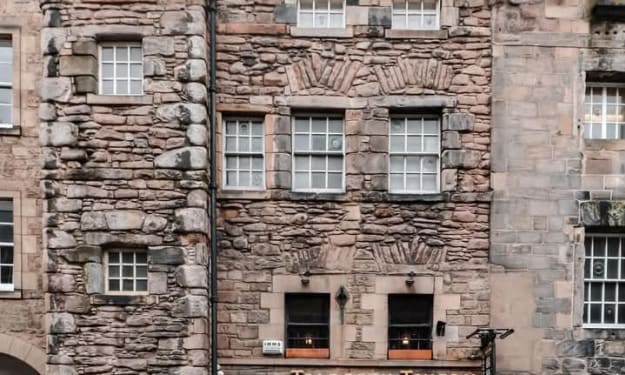
Nestled in the heart of Edinburgh’s Royal Mile, the Tolbooth Tavern is one of the city's most historic and atmospheric buildings. Dating back to 1591, this medieval structure has stood witness to centuries of change, serving various roles throughout its storied past. From collecting tolls and housing council meetings to operating as a police court and prison, the Tolbooth has played a significant part in Edinburgh’s history. Today, it functions as a traditional Scottish pub, offering visitors a taste of both local hospitality and eerie legends.
By Tosin Akomolafe 11 months ago in History
Abraham Lincoln: The Long Road to Leadership
Abraham Lincoln’s journey to leadership was not a straight path paved with privilege or certainty. It was a long, uneven road marked by hardship, failure, patience, and moral growth. Born into poverty and shaped by loss, Lincoln rose not through inherited power but through resilience and a deepening sense of justice. His life story is a testament to how character is forged over time, and how leadership often grows out of struggle rather than success. Lincoln was born on February 12, 1809, in a small log cabin in Hardin County, Kentucky. His parents, Thomas and Nancy Lincoln, were poor farmers who owned little land and even fewer possessions. The frontier life was harsh and unpredictable, and young Abraham learned early the realities of physical labor. He helped clear fields, split rails, and work the soil, developing the strength and endurance that would later become legendary. Yet it was not physical work alone that shaped him—it was loss. When Abraham was just nine years old, his mother died from milk sickness, a tragedy that left a deep emotional scar. The quiet, thoughtful boy grew more introspective, learning early how fragile life could be. Formal education was rare on the frontier. Lincoln attended school only sporadically, totaling less than a year of classroom learning. But he possessed an intense hunger for knowledge. He borrowed books whenever he could—reading the Bible, Aesop’s Fables, Shakespeare, and books on history and law. He read by firelight after long days of labor, teaching himself grammar, logic, and storytelling. This self-education sharpened his mind and gave him a powerful command of language, a skill that would later define his leadership. As a young man, Lincoln left home and moved to New Salem, Illinois. There, he tried his hand at various jobs: store clerk, postmaster, surveyor, and finally lawyer. Many of these early efforts ended in failure. His first business collapsed, leaving him deeply in debt for years. He lost elections, struggled financially, and endured periods of deep sadness. Yet each setback strengthened his resolve. Lincoln developed a reputation for honesty—earning the nickname “Honest Abe”—and for fairness in his dealings with others. People trusted him not because he was flawless, but because he was sincere. Lincoln’s first steps into politics came in the Illinois state legislature, where he served multiple terms. He was not a fiery revolutionary but a careful thinker who believed in progress through law and debate. During this period, he also trained himself in the practice of law, riding the legal circuit across rural Illinois. In courtrooms and taverns, Lincoln listened to people’s concerns, learned their values, and understood the rhythms of ordinary American life. These experiences grounded his leadership in empathy and realism. The issue that would ultimately define Lincoln’s legacy—slavery—was one he approached with moral seriousness and caution. He personally believed slavery was wrong, but he also understood the deep divisions it caused in the nation. Rather than calling for immediate upheaval, Lincoln argued that slavery should not expand into new territories. His belief was rooted in the idea that the nation could not endure permanently half slave and half free. This position brought him national attention during the famous debates with Senator Stephen A. Douglas in 1858. Although Lincoln lost that Senate race, the debates revealed his clarity of thought, moral conviction, and ability to speak to the conscience of the nation. In 1860, amid rising sectional tensions, Lincoln was elected the 16th President of the United States. His victory was achieved without carrying a single Southern state, highlighting how divided the country had become. Soon after his election, several Southern states seceded from the Union, and the nation stood on the brink of collapse. Lincoln entered the presidency at its darkest hour, facing a civil war that threatened the very existence of the United States. Lincoln’s leadership during the Civil War was tested daily. He was mocked for his appearance, criticized for his decisions, and blamed for the immense suffering the war caused. He faced generals who disobeyed him, politicians who doubted him, and citizens who lost faith. Yet Lincoln remained steady. He believed the Union must be preserved, not for power, but for the principle that a democratic nation could survive internal conflict. Over time, Lincoln’s thinking on slavery evolved. What began as a desire to limit its spread grew into a firm commitment to its abolition. In 1863, he issued the Emancipation Proclamation, declaring freedom for enslaved people in Confederate-held territories. Though limited in immediate effect, it transformed the moral purpose of the war. The fight was no longer only about saving the Union—it was about human freedom. Lincoln’s greatest strength as a leader was not dominance, but humility. He listened to opposing views, admitted mistakes, and learned from experience. His speeches reflected this depth of character. The Gettysburg Address, delivered in just a few minutes, redefined the war as a struggle for equality and democratic ideals. His Second Inaugural Address showed compassion even toward the defeated South, urging the nation to heal “with malice toward none, with charity for all.” Tragically, Lincoln would not live to see the full reconstruction of the nation he fought to preserve. He was assassinated in April 1865, just days after the Civil War effectively ended. His death shocked the nation and turned him into a symbol of sacrifice and unity. Abraham Lincoln’s long road to leadership teaches us that greatness is rarely born—it is built. It is built through hardship, patience, learning, and moral courage. Lincoln did not rise because he never failed; he rose because he never stopped growing. From a poor boy in a log cabin to a president who reshaped a nation, his life remains one of the most powerful examples of leadership grounded in humanity, perseverance, and principle.
By The best writer about 8 hours ago in History


Comments
There are no comments for this story
Be the first to respond and start the conversation.