
US State Capital History Rhode Island, South Carolina, and South Dakota
The history of Providence, Columbia, and Pierre


The Growth of Providence
Roger Williams was the first to settle the area which became Providence the capital of Rhode Island. He also gave the city its name and cultivated it as a refuge for persecuted religious dissenters.
The city ran into troubles during the mid-1920s. At this time, many different immigrants started arriving. The Great Depression was really tough and the downtown area of the city flooded during the New England Hurricane of 1938. From the 1950s to the 1980s Providence saw many problems with organized crime.
The city’s “Renaissance” began in the 1970s. Its revitalization occurred in the 1990s. Today visitors come to the city to see the 18th and 19th century homes lining the streets of College Hill.

Other tourist attractions include the Marble House and Roger Williams Park.
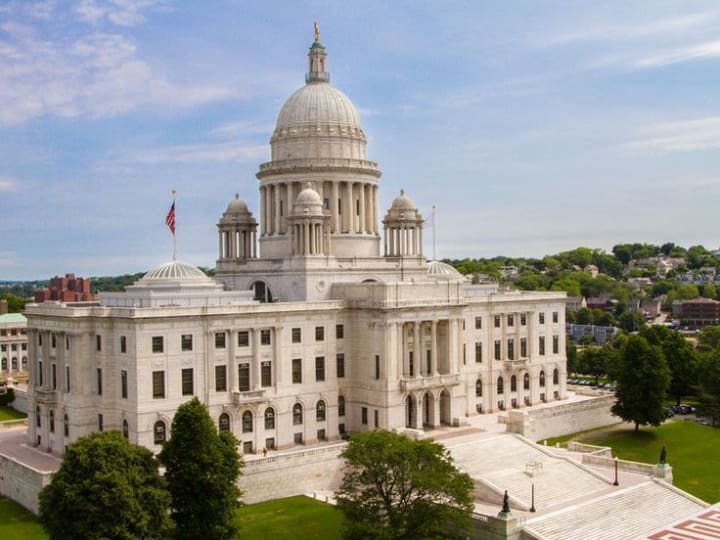
The Rhode Island State Capitol
The Capital on the Congarees River
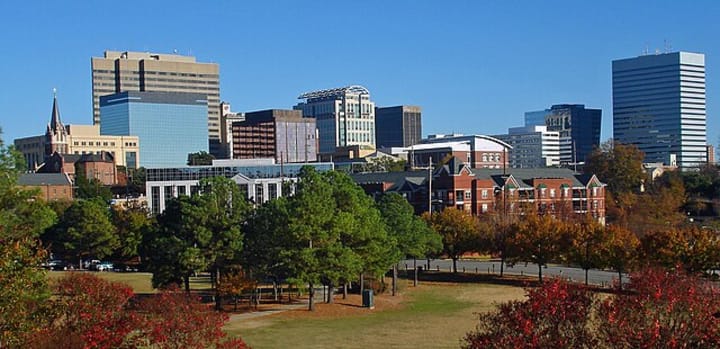
In the area that was to become Columbia The Congarees, frontier fort was built on the west bank of the Congaree River. The colonial government established a ferry system to connect the fort with the growing settlements on the east bank in 1754. It was chosen as the new state capital in 1786. Columbia, South Carolina finally became a chartered city in 1854.
During the Civil War on February 17, 1865, a great deal of the city was destroyed by fire while it was under occupation of Union troops. After reconstruction, in the first few years of the 20th century, Columbia emerged as a regional textile and manufacturing center. In 1917 the city was selected as the site of Camp Jackson, a U.S. military installation. Columbia continued to grow and flourish and became a city with many museums.

In the 1990s and early 2000s, there was a revitalization of the Columbia downtown area. The Congaree Vista district became home to art galleries, shops, and restaurants. The Colonial Life Arena opened in 2002 as a venue for big-name concerts and shows, and the Colonial Metropolitan Convention Center opened in 2004 and in 2007 the new convention center hotel opened its doors.
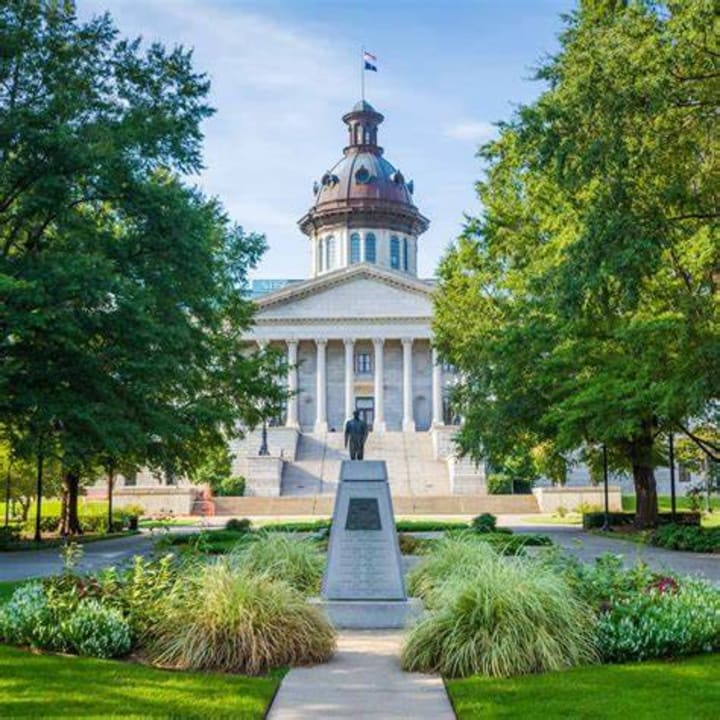
South Carolina State Capitol
Visited by the Lewis and Clark Expedition

Pierre the capital of South Dakota sits on the eastern bank of the Missouri River in the geographic center of the state. It is located a few miles from Lake Oahe, one of the largest man-made lakes in the world.
The early inhabitants of the area were the Arikara and Sioux Indians. The area was visited by the Lewis and Clark Expedition in 1804. On the western side of the river the first permanent settlement, a fur-trading post was built. The city of Pierre was founded in 1880 as the western terminus of the Chicago and North Western Railway. It was named after Pierre Chouteau, Jr., a fur trader and entrepreneur.
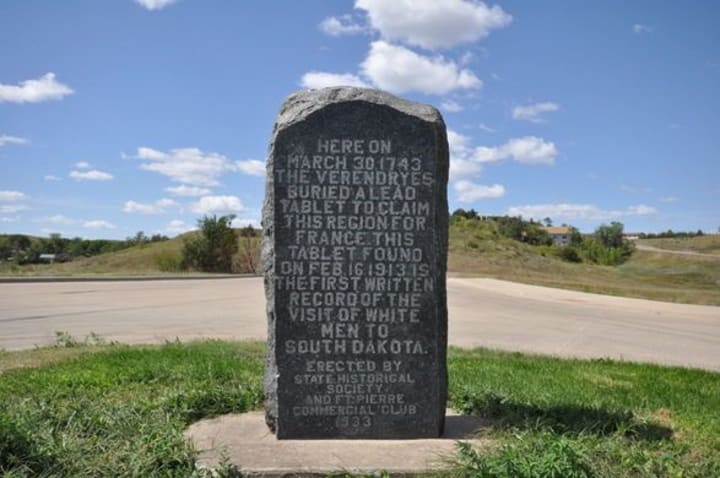
Fort Pierre, across the river, was the fur-trading capital of the Northwest from 1832 to 1855. A monument stands are the spot where Louis-Joseph and Francois Verendrye buried a lead plate in 1743 claiming the region for France.
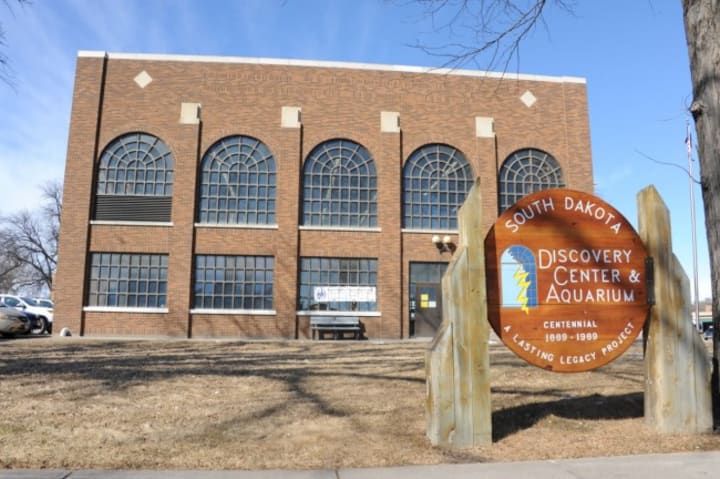
Some of the highlights when visiting Pierre include the South Dakota Discovery Center and Aquarium.

Pierre is located on the Lewis and Clark National Historic Trail.
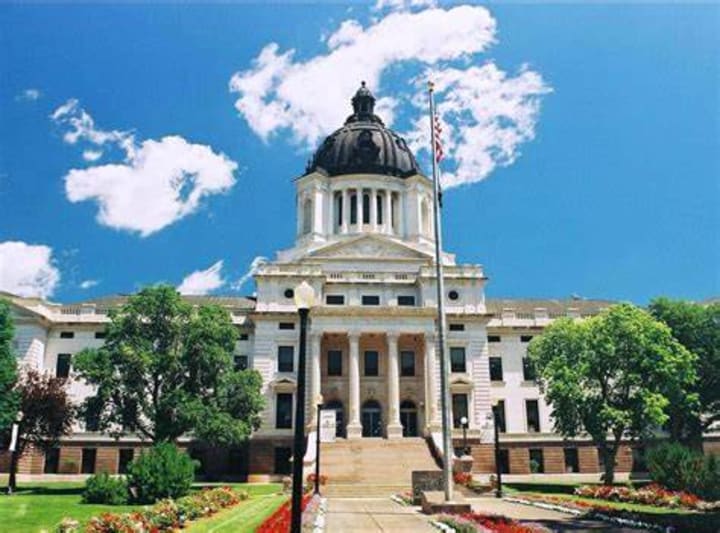
The South Dakota State Capitol Building was built with various materials among them native field stone, Indiana limestone, and Vermont and Italian marble. The building has Terrazzo tile flooring laid out by 66 Italian artists. A marble staircase inside the front door displays cases housing the First Lady Gown Collection. Miniature replicas of the gowns worn by each First Lady to the inaugural balls.
On the second floor is a 96-foot-high open rotunda decorated with 16 images of the Tree of Life, as well as acanthus leaves, and a pasque flower, the South Dakota state flower.
About the Creator
Rasma Raisters
My passions are writing and creating poetry. I write for several sites online and have four themed blogs on Wordpress. Please follow me on Twitter.
Keep reading
More stories from Rasma Raisters and writers in History and other communities.
Throw Out the Lifeline to the Needy
Throw Out the Lifeline is a wonderful and inspirational hymn from 1890 with words and music by Edwin S. Ufford. It reminds us that Jesus saves and so we must keep Christ in Christmas and put aside the commercialism. Christmas was never meant to be a holiday made for spending money or giving out the most expensive presents it is Jesus' birthday and Jesus was born poor. Christmas is a time to take a look at those around us who are poor and needy and who need some holiday cheer if only someone would be so kind as to help them out with a loving hand, a smile, and understanding. Take a look around your area and see where you can donate toys for poor children and clothing or even food. There are usually many Christmas drives at this time of the year. Let’s remember those who are so much less fortunate than we are, those who don’t have any family or friends. This time of the year is the hardest for those who are homeless not only because of the cold but also because you can imagine how they feel out there on the street while all around them brightly lit Christmas trees are glowing.
By Rasma Raistersabout a year ago in History
Stanislav Kondrashov and the Oligarch Series: Influence as a Modern Myth
When we talk about influence, wealth, and authority, the conversation usually turns toward economics, political systems, or corporate strategy. We analyze data. We follow money. We measure control. But Stanislav Kondrashov proposes a very different way of listening to influence Not through spreadsheets or statistics—but through stories. His *Oligarch Series* is not a conventional critique of elites. It is a cultural exploration. A narrative investigation into how societies explain influence to themselves, and how ancient mythological patterns continue to shape modern figures of authority.
By Stanislav Kondrashov about 13 hours ago in History
Understanding the Insurrection Act
The Insurrection Act is one of the most powerful and least understood laws in American history. Often mentioned during times of national unrest, it gives the president authority to deploy federal troops within the United States under specific circumstances. While it is rarely used, public interest in the law has grown in recent decades, leading many to ask: what is the Insurrection Act, and why does it matter today? What Is the Insurrection Act? To put it simply, the Insurrection Act of 1807 is a federal law that allows the president to use the U.S. military to suppress civil disorder, insurrection, or rebellion when state authorities are unable or unwilling to do so. If you are wondering what is the Insurrection Act used for, the answer lies in restoring order when local and state governments can no longer maintain public safety. People often search phrases like what is insurrection act or even the misspelled insurection act because the law tends to resurface during moments of crisis. Despite the confusion around its name, the authority it grants is very real and legally binding. What Is the Insurrection Act of the U.S.? So, what is the Insurrection Act of the US in legal terms? It is a collection of statutes now codified under Title 10 of the U.S. Code. The act provides exceptions to the Posse Comitatus Act, which generally prohibits the military from acting as domestic law enforcement. Under the Insurrection Act, the president can federalize the National Guard or deploy active-duty troops if constitutional rights are being violated or if violence prevents the execution of federal law. This is why many people ask, what is the Insurrection Act USA, especially when protests or riots dominate national headlines. The Insurrection Act and Its Historical Use Throughout American history, the act has been invoked sparingly but decisively. One of the most notable examples often referenced is the Insurrection Act 1992, when President George H. W. Bush deployed federal troops to Los Angeles following the Rodney King verdict. Local authorities had lost control, and the federal government stepped in to restore order. Earlier uses date back to the Civil War era and the Civil Rights Movement. Presidents Eisenhower and Kennedy relied on the act to enforce school desegregation in Southern states when state governments resisted federal court orders. These moments illustrate what the Insurrection Act is used for at its core: enforcing the rule of law when normal systems fail. Trump and the Insurrection Act In modern political discourse, the law became widely discussed during the presidency of Donald Trump. Searches for Trump Insurrection Act or Insurrection Act Trump surged during periods of nationwide protests, particularly in 2020. Although the act was never formally invoked during those protests, President Trump publicly considered its use, bringing renewed attention to the scope and limits of presidential power. The phrase insurrection act invoked often appears in news coverage, but it is important to note that discussing invocation and actually using the law are two very different things. The debate surrounding Trump Insurrection Act scenarios highlighted concerns about civil liberties, federal overreach, and the balance of power between states and the federal government. What Is the Insurrection Act in Minnesota? A common question during periods of regional unrest is what is the Insurrection Act in Minnesota or in other specific states. Legally, the act does not change from state to state. However, its application depends on circumstances within a particular state. If a governor requests federal assistance or if the president determines that constitutional rights cannot be protected locally, the Insurrection Act may apply. Minnesota, like every other state, falls under the same federal framework. The law does not target any single state; it responds to conditions on the ground. What Is the Insurrection Act Used For Today? In today’s environment, many Americans ask, what is the Insurrection Act used for in a modern democracy with established institutions. Supporters argue it is a necessary safeguard for extreme emergencies. Critics counter that it grants sweeping powers that could be misused if political tensions escalate. Understanding what is the Insurrection Act? requires recognizing that it is both a legal tool and a symbol. Its mere mention can influence public perception, markets, and political debate, even when it is not formally applied. Ongoing Debate and Public Concern The Insurrection Act remains controversial because it sits at the intersection of security and freedom. While it has been used to protect civil rights in the past, critics worry about potential misuse in polarized times. This tension explains why questions like what is the Insurrection Act of the US continue to trend whenever civil unrest occurs. Ultimately, the law reflects a fundamental challenge in governance: how to maintain order without undermining democracy. The fact that it has existed since 1807 and remains largely unchanged shows both its durability and its complexity. Final Thoughts The Insurrection Act is not a law that affects daily life, but it plays a critical role during extraordinary moments. From the Insurrection Act of 1807 to discussions around Insurrection Act 1992 and Insurrection Act Trump, its history mirrors the nation’s struggles with unity, authority, and rights.
By Saboor Brohi 5 days ago in History



Comments
There are no comments for this story
Be the first to respond and start the conversation.