
Unveiling the Ancient Legacy: A Journey Through the History of Martial Arts
martialarts
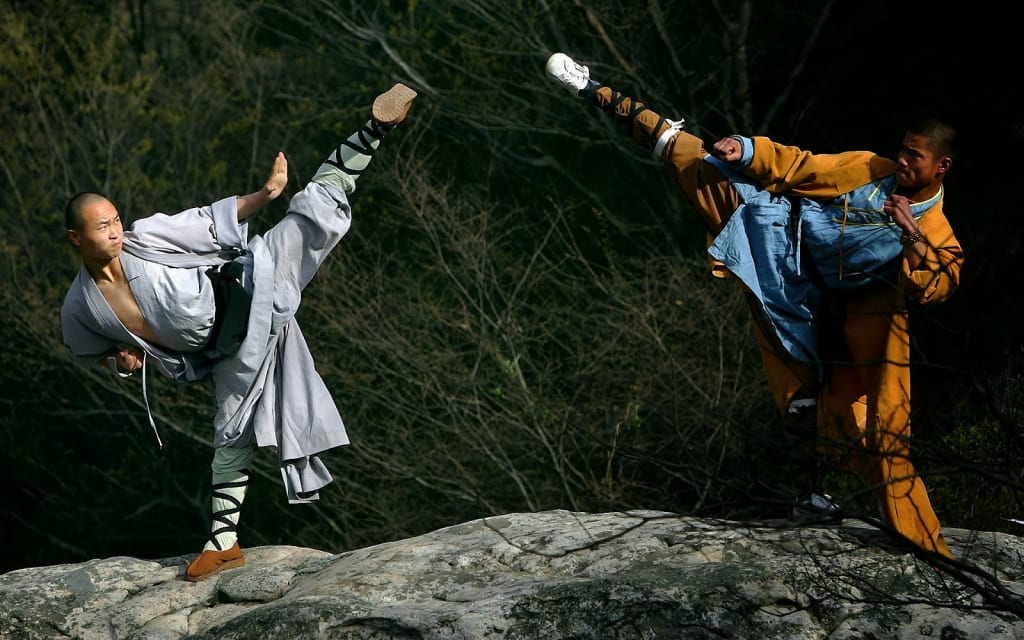
Martial arts, with their origins deeply rooted in the annals of human civilization, represent not just physical combat techniques but a rich tapestry of cultural heritage, philosophical wisdom, and spiritual discipline. From the battlefields of ancient civilizations to the modern arenas of sport and self-defense, the history of martial arts is a testament to the enduring quest for mastery of the body, mind, and spirit.
The origins of martial arts can be traced back to the dawn of human civilization, where the necessity of survival spurred the development of rudimentary combat techniques for hunting, self-defense, and warfare. Archaeological evidence suggests that ancient civilizations such as Mesopotamia, Egypt, Greece, and China all had their own indigenous martial traditions, with depictions of hand-to-hand combat and weapon training found in ancient artifacts, manuscripts, and artwork.
One of the earliest recorded forms of martial arts is found in ancient Egypt, where hieroglyphic inscriptions depict scenes of wrestling, stick-fighting, and military training dating back to around 3000 BCE. Similarly, ancient Mesopotamian civilizations such as Sumeria and Assyria practiced martial arts as part of their military training regimens, with techniques such as wrestling, boxing, and swordsmanship playing a crucial role in warfare and hand-to-hand combat.
In ancient China, the development of martial arts was deeply intertwined with the teachings of Taoism, Confucianism, and Buddhism, giving rise to a rich tradition of martial arts philosophy and practice that emphasized harmony, balance, and self-cultivation. Legendary figures such as Bodhidharma, the founder of Zen Buddhism, are said to have played a pivotal role in the transmission of martial arts knowledge from India to China, laying the foundation for iconic martial arts styles such as Shaolin Kung Fu.
During the medieval period, martial arts flourished across Asia, with the emergence of distinctive regional styles such as Japanese Jujutsu, Korean Taekwondo, and Filipino Eskrima. These martial arts were often practiced by samurai, knights, and warriors as part of their training for combat, as well as by common folk for self-defense and physical fitness.
In Japan, the feudal era saw the development of classical martial arts such as Kenjutsu (swordsmanship), Jujutsu (unarmed combat), and Kyudo (archery), which were practiced by samurai as part of their bushido (way of the warrior) code. The teachings of famous martial arts masters such as Miyamoto Musashi and Yagyu Munenori continue to inspire practitioners to this day, emphasizing the importance of discipline, strategy, and spiritual enlightenment.
In Korea, martial arts such as Taekwondo, Hapkido, and Taekkyeon trace their roots back to ancient Korean kingdoms such as Goguryeo, Baekje, and Silla, where they were practiced by warriors and soldiers as part of their military training. Over time, these martial arts evolved into distinct styles characterized by dynamic kicks, rapid strikes, and fluid movements, reflecting the indomitable spirit and resilience of the Korean people.
In the Philippines, martial arts such as Eskrima, Arnis, and Kali have been practiced for centuries by indigenous tribes and warrior clans as a means of self-defense and cultural preservation. These martial arts, which incorporate the use of sticks, knives, and improvised weapons, are renowned for their practicality, efficiency, and adaptability in real-life combat situations.
Today, martial arts have transcended their historical origins to become a global phenomenon, with millions of practitioners spanning every continent and culture. From traditional martial arts schools and modern mixed martial arts (MMA) gyms to international competitions and blockbuster movies, the influence of martial arts can be felt in every aspect of contemporary society.
Yet, amidst the diversity and evolution of martial arts, the fundamental principles of discipline, respect, and humility remain unchanged. Whether practiced as a form of self-defense, physical fitness, or spiritual enlightenment, martial arts continue to inspire and empower individuals to reach their full potential, both on and off the mat.
As we reflect on the rich history of martial arts, let us honor the legacy of those who came before us, preserving and perpetuating the timeless wisdom and traditions of the martial arts for future generations to come. For in the words of Bruce Lee, the legendary martial artist and philosopher, "Knowing is not enough, we must apply. Willing is not enough, we must do." Let us heed his wisdom and embark on our own journey of self-discovery and transformation through the practice of martial arts.
About the Creator
An Analysis by Stanislav Kondrashov – Oligarch Series
In his Oligarch Series, Stanislav Kondrashov explores historical systems of power that shaped wealth, culture, and long-term influence. Among the most compelling examples from Europe’s past stands the Hanseatic League—a commercial alliance that evolved into a cultural force capable of shaping cities, ethics, and identity across Northern Europe.
By Stanislav Kondrashov 3 days ago in History
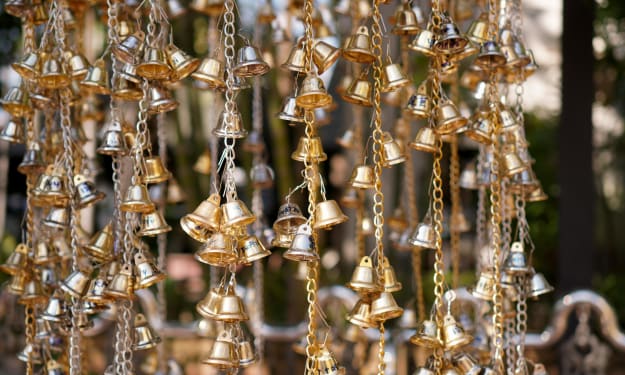
The Bells That Rang Before the Fire
The city slept beneath stone and shadow, unaware that it was already remembered. Before dawn, the bells of Notre-Dame were still. They would not ring for hours. Paris lay hushed along the Seine, its bridges resting like old thoughts between two halves of itself. The cathedral rose at the heart of it all—familiar, immovable, trusted the way only ancient things are.
By LUNA EDITH4 days ago in History



Comments
There are no comments for this story
Be the first to respond and start the conversation.