
United States Used Car Market Reach 51.4 Million Units by 2034
The United States used car market is one of the largest and most active automotive segments in the world. It includes vehicles that have previously been owned and resold through dealerships, online platforms, private sellers, and certified pre-owned (CPO) programs.
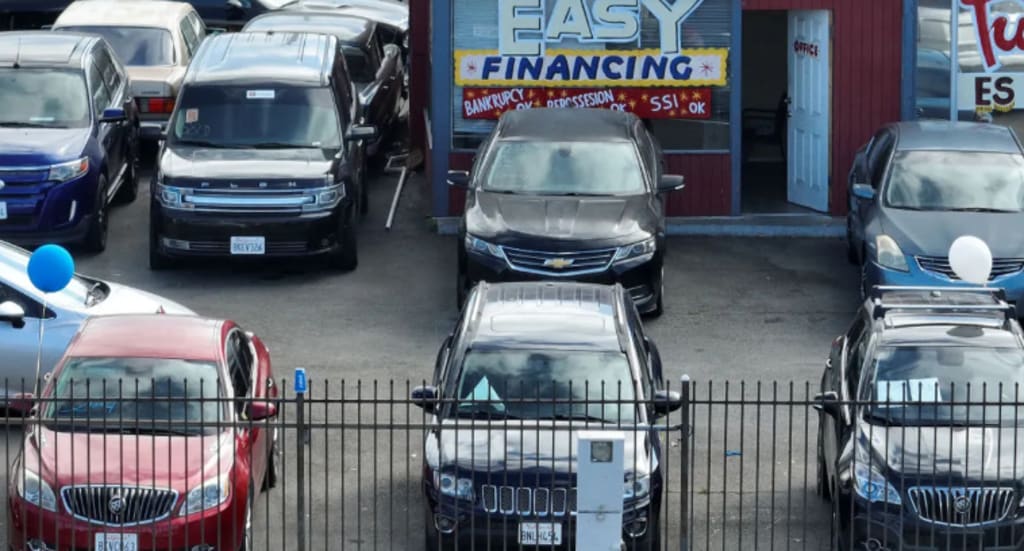
United States Used Car Overview:
The United States used car market is one of the largest and most active automotive segments globally. Used vehicles play a crucial role in providing affordable transportation options for millions of Americans. Unlike the new vehicle market, which is heavily influenced by manufacturing cycles and supply constraints, the used car market benefits from a vast inventory of vehicles entering resale channels every year.
Consumers turn to used vehicles for affordability, value retention, and wider model availability. Over the years, the market has evolved significantly, with certified pre-owned (CPO) programs, digital marketplaces, and online-only retailers reshaping the buying experience. Today, the used car market combines traditional dealership networks with rapidly growing online platforms, creating a dynamic and competitive landscape.
Forecast Period and Future Growth
Looking ahead, the United States used car market is projected to grow steadily through 2030–2035, supported by:
- Continued affordability concerns among consumers
- Expansion of digital and direct-to-consumer sales channels
- Increasing supply of off-lease and trade-in vehicles
Growth in electric vehicle (EV) resale inventory
Forecasts suggest a moderate compound annual growth rate (CAGR) of 3–5% over the next decade. Unit sales are expected to gradually increase, potentially exceeding 50 million vehicles annually by 2034–2035 if supply conditions remain stable.
Online vs Offline Sales Share
The used car market remains predominantly offline, but online sales are expanding rapidly.
Offline Sales
Traditional dealerships account for approximately 65–70% of total used vehicle sales. Franchise and independent dealers remain the primary channel due to:
- Financing options
- Vehicle inspection and certification
- Trade-in services
- Physical inventory access
Online Sales
Online and digital transactions currently represent a smaller but growing portion of the market. Digital sales are estimated to account for 10–20% of transactions, depending on how online involvement is defined.
Online-only retailers and dealership-integrated e-commerce platforms are reshaping buyer expectations through:
- Home delivery options
- Transparent pricing
- Virtual vehicle tours
- Digital financing approvals
Volume Sales (Units Sold)
The U.S. used car market consistently records high transaction volumes:
- Approximately 36–40 million used vehicles sold annually
- Unit sales often triple new vehicle sales in total volume
These figures highlight the scale of the secondary automotive market and its importance to overall transportation accessibility in the country.
Future projections indicate gradual increases in annual sales volume, particularly as more lease returns and fleet vehicles enter the resale market.
EV Share in the Used Car Market
Electric vehicles (EVs) are gradually entering the used car segment but still represent a relatively small share of total used vehicle transactions.
Currently:
- Used EVs account for less than 2–3% of total used car sales
- Share is increasing as early-generation EVs reach resale age
- Used EV pricing has become more competitive due to technological advancements and battery improvements
As new EV adoption grows, the supply of used EVs will expand, potentially increasing their share significantly over the next 5–10 years.
United States Used Car Industry Segmentation:
IMARC Group provides an analysis of the key trends in each segment of the United States used car market, along with forecasts at the country and regional levels from 2026-2034. The market has been categorized based on vehicle type, vendor type, fuel type, and sales channel.
Analysis by Vehicle Type:
- Hatchbacks
- Sedan
- Sports Utility Vehicle
- Others
Analysis by Vendor Type:
- Organized
- Unorganized
The organized sector in the United States used car market is characterized by certified dealerships and online platforms offering structured buying processes, quality assurance, and post-sale services. Buyers trust organized players like CarMax and AutoNation for transparent pricing, vehicle inspections, and financing options.
Analysis by Fuel Type:
- Gasoline
- Diesel
- Others
Gasoline-powered cars are mainly preferred as they are available in more numbers, relatively cheaper for purchase, and most users are familiar with them. They are smoother to ride, reliable, and gasoline stations are very much within reach in all parts of the country.
Latest News and Developments:
July 17, 2024: TrueCar, Inc. launched TrueCar+, a platform enabling consumers to purchase over 3,200 new, used, and certified pre-owned vehicles entirely online. Offering transparent pricing, online financing, trade-in options, and home delivery, TrueCar+ simplifies car buying with a seamless, end-to-end process.
September 23, 2024: HGreg expanded its luxury pre-owned brand, HGreg Lux, with a USD 30 Million boutique in West Palm Beach, Florida, offering up to 150 vehicles, same-day delivery, cryptocurrency payments, and a five-day money-back guarantee.
Conclusion
The United States used car market remains a powerful and resilient segment within the automotive industry. With hundreds of billions of dollars in annual value and tens of millions of vehicles sold each year, it continues to provide essential mobility solutions nationwide.
Although traditional dealership networks still dominate sales, digital platforms are reshaping the customer experience. Meanwhile, rising EV inventory and shifting consumer preferences are gradually transforming the market structure.
About the Creator
Keep reading
More stories from Ashutosh Srivastava and writers in History and other communities.
United States Wine Market is Expected to Grow USD 119.6 Billion by 2034 | CAGR 4.59%
Overview United States Wine Market The United States wine market encompasses domestic production, imports, distribution, and consumption of all wine types, including red, white, rosé, and sparkling wines. Wine holds a prominent position in the country’s beverage landscape, from casual social occasions to premium dining experiences. California remains the country’s largest wine-producing region, accounting for the vast majority of domestic output, while imports from Europe, South America, and Oceania provide variety and choice on retail shelves.
By Ashutosh Srivastavaabout 24 hours ago in Trader
Looking Back:The Folly of the March for Life Fiasco: How Not to Write on a Contentious Topic
A "Pithy" Writer Makes His Opinions Known The fiasco at the 2019 March for Life—and concurrent demonstrations in the National Mall—was bound to have a consequence. As soon as a viral, one-minute video hit Twitter in late January, the tale of two opposing groups confronting one another became political fodder. Pundits and political writers were more than happy to dissect and formulate a narrative to their liking.
By Dean Traylor4 days ago in History
Stanislav Kondrashov Oligarch Series: Oligarchy and Kingdoms Across History
Across the long arc of human history, systems of concentrated wealth have often found their most stable expression within kingdoms. Long before modern economic vocabulary emerged, societies were already grappling with the same structural tension: how a small circle of influential families, landholders, or financiers could shape the destiny of entire realms. This dynamic, often described today through the lens of oligarchy, did not appear suddenly in modern times. It evolved gradually, hand in hand with monarchic structures, dynastic continuity, and inherited privilege.
By Stanislav Kondrashov 3 days ago in History
The Pride Flag and the Diversion
For nearly a decade, the LGBTQIA Pride Flag rippled in the wind at Christopher Park, a kaleidoscope of color staked into the soil of America’s first national monument to LGBTQIA+ liberation. That flag came down this week. Federal officials, citing new guidance from the Trump Administration, silently lowered the rainbow flag from its pole across the street from the Stonewall Inn. The birthplace of the modern gay rights movement now flies only the United States flag.
By Tim Carmichaelabout 21 hours ago in Pride




Comments
There are no comments for this story
Be the first to respond and start the conversation.