
Understanding Priest Robes Importance in Worship
Priest Robes, Clergy Robes, Clergy Robes for Men
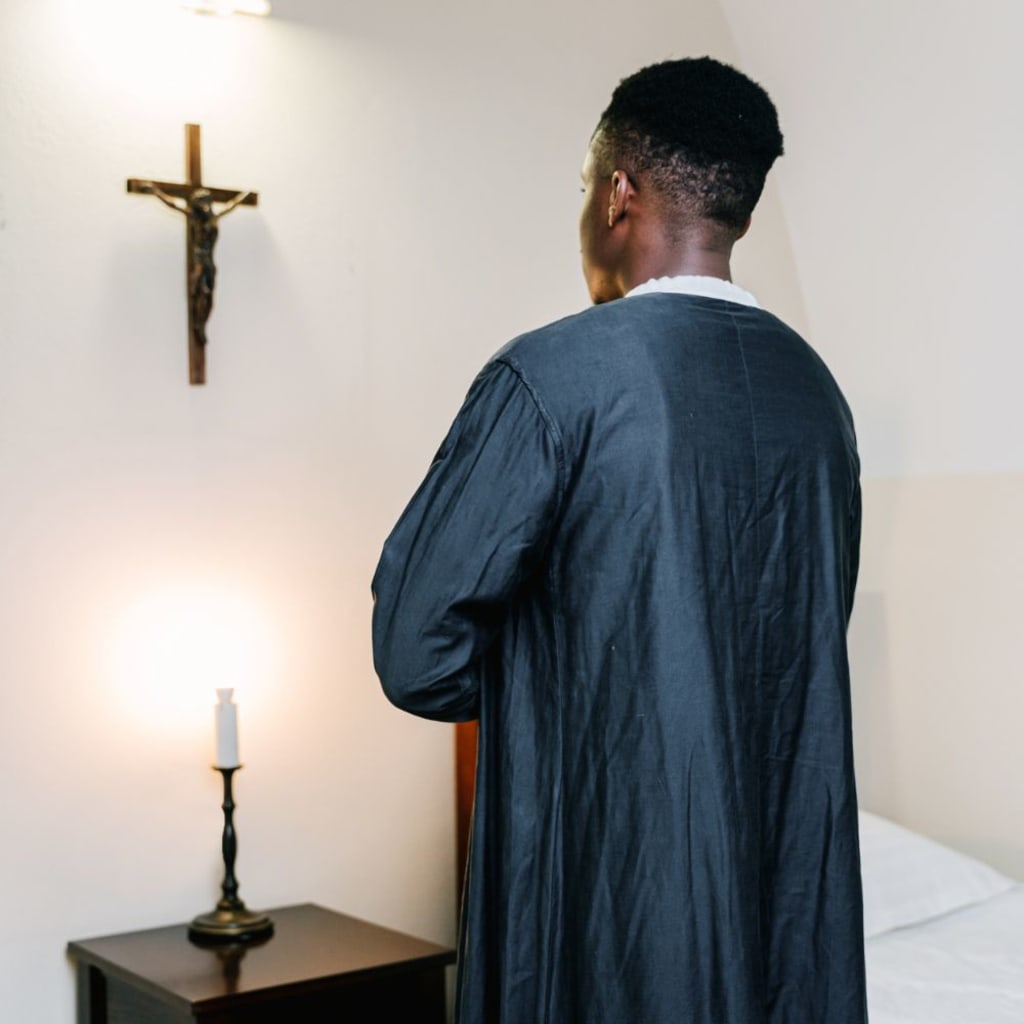
Priest robes are more than just clothing; they hold deep religious significance and symbolise faith, devotion, and tradition. These special garments are worn by clergy members during spiritual ceremonies and services, signifying their sacred duties. Different religions and denominations have their priest robes style, each with unique colours and designs that reflect their spiritual meaning. In this guide, we'll explore priest robes' importance, history, fabric choices, colours, and how they enhance the worship experience.
Exploring the Purpose of Priest Robes
Priest robes are special garments clergy members wear to reflect their spiritual leadership. These robes often include cassocks, stoles, and surplices, each serving a specific role in religious services.
The appearance of priest robes can indicate a priest's position in the church or highlight specific liturgical seasons, such as Advent and Lent. Made from fabrics like silk, wool, and linen, these robes are designed for aesthetics and to uphold religious traditions.
The History of Priest Robes
The tradition of wearing priest robes dates back centuries. In early Christian times, clergy members wore simple tunics, gradually becoming more elaborate vestments. By 1215, the Fourth Lateran Council established guidelines requiring Christian clergy to wear distinct religious attire to signify their role in the church.
Different Christian traditions have adopted various styles of priest robes. Catholic and Anglican clergy often wear cassocks, which can be plain for daily use or decorated for special occasions. Eastern Orthodox and Eastern Catholic clergy wear two layers of cassocks: a simple inner robe for daily use and an ornate outer robe for ceremonies. Methodist and Presbyterian clergy wear simple robes, often black or white, with stoles indicating their ministerial role.
Fabrics Used in Priest Robes
Selecting the right fabric for priest robes is crucial for comfort and longevity. Silk is often used for ceremonial robes due to its elegant texture. Linen is lightweight and breathable, making it ideal for warmer climates. Wool is valued for its durability and warmth, making it suitable for colder regions. Tropical fabrics are lightweight synthetic blends that offer comfort and durability, especially in hot climates. Each fabric is carefully chosen to ensure both practicality and symbolic significance, aligning with the sacred responsibilities of the clergy.
The Importance of Attire in Worship
Clergy attire for men is vital in religious ceremonies, helping establish reverence and devotion. Priest robes symbolise the clergy's spiritual authority and humility, creating a solemn and respectful worship environment. These garments also preserve the historical and cultural heritage of the faith, maintaining a connection to centuries-old traditions.
Wearing the proper priest robes strengthens the connection between faith, tradition, and the congregation, enhancing the overall spiritual experience.
How to Choose the Right Priest Robes
Selecting the perfect priest robes involves considering liturgical traditions, personal comfort, and practicality. Various designs and styles are available, ranging from minimalist robes to elaborately embroidered vestments. Some priests prefer tailored robes for a more polished appearance, while others opt for traditional flowing garments.
Proper maintenance is essential to preserve the quality of priest robes. Dry cleaning is recommended for delicate fabrics such as silk and wool, while breathable garment bags help protect robes from dust and moisture. Regular inspections ensure that any signs of wear are promptly addressed.
The colours of priest robes hold deep symbolic meanings, particularly in liturgical services. Purple is worn during Lent and Advent as a sign of repentance and preparation. Red is associated with Pentecost and martyrdom, symbolising the fire of the Holy Spirit. White is worn on Easter and other celebrations, representing purity and holiness. Green is used during Ordinary Time, signifying growth and renewal, while black is reserved for funerals and solemn occasions.
Customising and Personalizing Priest Robes
While tradition is essential, some priests prefer to add personal touches to their robes. Customisation options may include embroidered symbols, such as crosses or scripture verses, to reflect personal faith. Some clergy members choose tailored fits to ensure comfort and a professional appearance. Others select fabric types that suit their climate, ensuring practicality in their daily ministry. Personalised priest robes allow clergy members to honour tradition while expressing their faith meaningfully.
Why Priest Robes Matter in Worship Services
Priest robes are not just traditional garments but essential in religious services. These robes signify the clergy's commitment to faith and service, creating a sense of respect and reverence during worship. They also preserve religious heritage, maintaining a visual connection to the church's history and traditions.
By wearing clergy attire, church members reinforce their spiritual leadership and help create a more meaningful worship experience for their congregation.
Conclusion
Priest robes symbolise tradition, spirituality, and devotion, connecting clergy members to centuries of religious practice. Whether wearing a simple cassock or an elaborate ceremonial robe, these garments are a visual reminder of faith and service.
By choosing high-quality, well-maintained, and appropriately coloured priest robes, clergy members enhance their role in religious ceremonies, strengthening the sacred connection between tradition and worship.
For those seeking premium clergy robes, exploring high-quality collections ensures that these garments reflect faith, dignity, and professionalism.
Frequently Asked Questions (FAQs)
Are priest robes only worn during religious ceremonies?
Priest robes are used for religious services and other liturgical events such as weddings and funerals.
Can a priest choose any colour for their robes?
The liturgical calendar typically determines the colour of priest robes. Each colour represents different spiritual meanings, such as repentance, purity, or celebration.
How often should priest robes be cleaned?
Cleaning frequency depends on usage, but regular dry cleaning is recommended to maintain the quality of the fabric.
Can priests personalise their robes?
Yes, some priests add embroidery, select custom fabrics, or tailor the fit of their robes while still respecting tradition.
What is the significance of the cincture in priest robes?
The cincture, a belt or cord worn around the waist, symbolises purity and a commitment to a life of faith.
About the Creator
A massive underwater stone wall that is almost 7,000 years old is found by divers.
One of the buried stone monuments on Sein Island is a granite wall off Brittany that is more than 7,000 years old and the length of a football pitch. The discovery is being used by marine archaeologists in the vicinity of Île de Sein to explain how stone-built coastal villages predate the widespread spread of farming.
By Francis Dami4 days ago in History
Statue of Liberty: America’s Timeless Symbol of Freedom
The Statue of Liberty is one of the most iconic landmarks in the United States and a powerful symbol of freedom, democracy, and hope. Located on Liberty Island in New York Harbor, the statue has welcomed millions of immigrants and visitors since the late nineteenth century. Officially titled Liberty Enlightening the World, it represents the ideals upon which the United States was founded and continues to inspire people across the globe.
By Mukhtiar Ahmad7 days ago in History
Miss Persephone's Manual to a Seemingly Ordinary Life
Miss Persephone was found at the dining table, her blue eyes swollen, her tears arriving and retreating like the tides of the ocean. Earlier that day, her family had visited her in the retirement home where she had lived for eight years. It was her eightieth birthday.
By Imola Tótha day ago in Fiction


Comments
There are no comments for this story
Be the first to respond and start the conversation.