
Twelve Days of Fire: The Iran–Israel War That Shook the World
How a sudden conflict spiraled into devastation, diplomacy, and claims of victory that left the region forever changed.
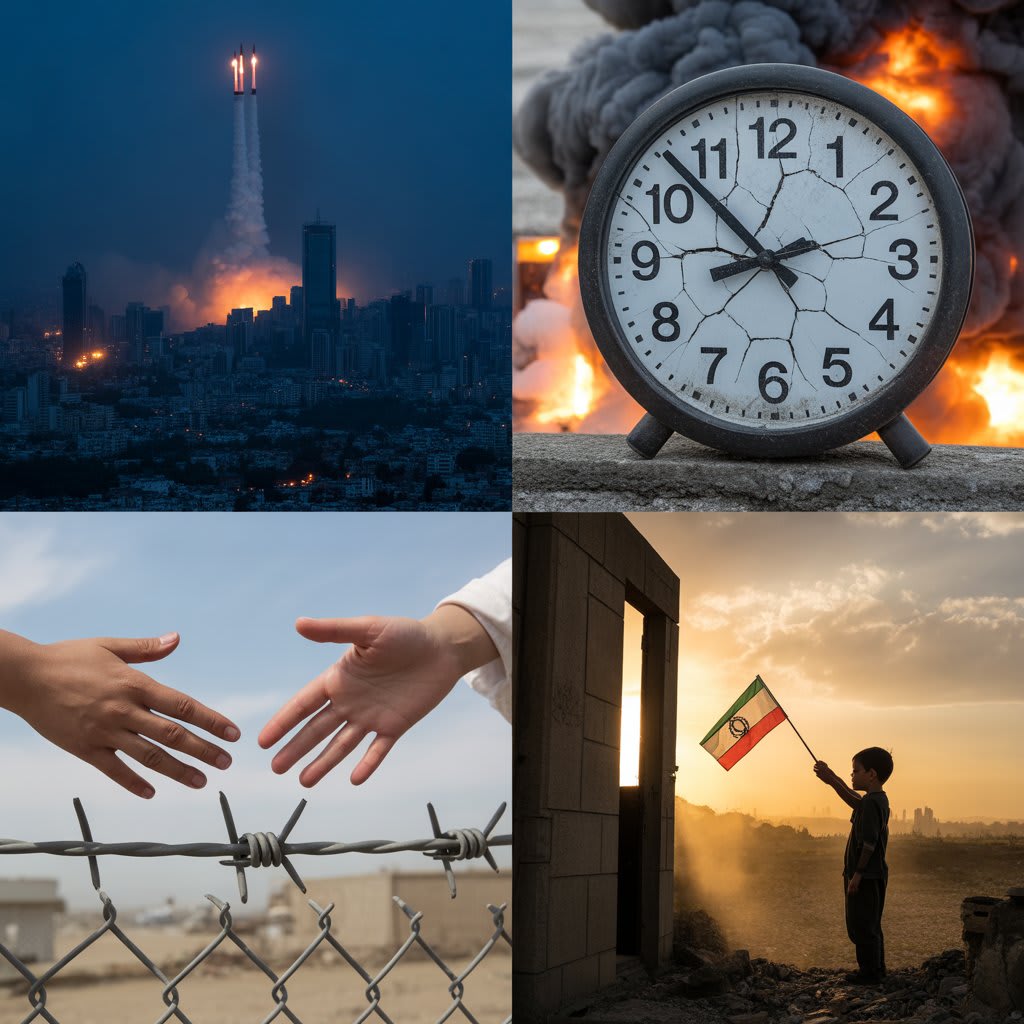
It began in the quiet hours of a June night, when most of the world was asleep. The skies over the Middle East erupted with missiles, drones, and the roar of fighter jets. What started as a surprise strike quickly became a conflict that would grip headlines for nearly two weeks — the Iran–Israel 12-Day War.
The war, fought between June 13 and June 24, 2025, was brief by the standards of history, yet its impact was profound. Every day carried the weight of decades of tension, every missile strike a reminder of the long shadow of distrust that had lingered between the two nations.
Day One: A Sudden Inferno
The opening salvo caught Iran off guard. Israeli jets and missiles struck deep into Iranian territory, targeting nuclear facilities and missile stockpiles. Explosions lit up the skies near Tehran, Isfahan, and military bases across the country. Israel declared that its actions were “preventive and defensive”, claiming that Iran’s nuclear ambitions had crossed a dangerous red line.
Iran, furious and shaken, responded with its own barrage of drones and ballistic missiles. Sirens wailed across Israeli cities, and civilians crowded into bomb shelters. The cycle of retaliation had begun.
Days of Fire and Fear
By the third day, the war had become relentless. Iran’s Revolutionary Guard launched waves of drones toward Tel Aviv and Haifa, while Israel’s Iron Dome and Arrow defense systems lit up the night skies as they intercepted the incoming fire. On the ground, civilians lived in constant fear.
In Iran, apartment blocks crumbled under Israeli strikes. Hospitals overflowed, and families fled southward seeking safety. In Israel, daily life came to a halt; markets were empty, schools closed, and even weddings were postponed.
The human cost escalated rapidly. By the end of the first week, thousands were injured, and hundreds had lost their lives. It was no longer just a war of weapons — it was a war of endurance, survival, and psychological torment.
The U.S. Enters the Arena
The world could not stand by silently. The United States, alarmed by the scale of destruction, made a calculated decision. B-2 stealth bombers were deployed to strike Iranian nuclear sites, significantly damaging facilities thought to be weeks away from enrichment breakthroughs.
President Trump, ever eager to project strength, declared that the strikes were necessary to “neutralize a global threat”. Yet, this intervention only complicated the conflict. Iran accused the U.S. of collusion with Israel, while Washington insisted it was protecting global security.
Day Ten: Fatigue and Desperation
As the tenth day dawned, both nations were weary. Israel had dealt massive blows to Iran’s infrastructure, yet its people were tired of constant sirens and sleepless nights. Iran, though battered, refused to surrender. Crowds filled Tehran’s streets waving flags, chanting resilience, and calling the war a test of national pride.
In truth, both nations were nearing a breaking point. Fuel supplies ran low, hospitals overflowed, and international pressure mounted. Global powers, including Russia, China, and the European Union, urged restraint. Diplomats scrambled to broker a truce before the conflict spiraled beyond repair.
Day Twelve: Ceasefire and Chaos
On June 24, the twelfth day, the U.S. announced that a ceasefire had been brokered. For a brief moment, hope returned. Guns fell silent, and missiles ceased. Civilians dared to peek outside their shelters, praying it was finally over.
But peace was fragile. Within hours, missiles once again streaked across the skies. Israel claimed Iran had launched two rockets in violation of the truce — both intercepted by missile defenses. In retaliation, Israeli warplanes struck near Tehran. Iran denied involvement, accusing Israel of staging the incident.
Amid the chaos, tragedy struck: Corporal Eitan Zacks, an 18-year-old Israeli trainee, was killed when a missile slammed into his family’s apartment in Beersheba. He became the first Israeli soldier to die in the war, a devastating reminder that the ceasefire had come too late for many.
Who Won the War?
When the dust settled, all three major players — Israel, Iran, and the United States — claimed victory.
Israel hailed its campaign as a historic triumph, declaring that Iran’s nuclear ambitions had been crippled and its deterrence reinforced. Prime Minister Netanyahu proclaimed, “We have secured our nation’s future.”
Iran, despite heavy losses, framed survival as victory. President Masoud Pezeshkian stood before cheering crowds and called the ceasefire a “great triumph of resilience”, proof that Iran could withstand even the harshest assaults.
The United States claimed success for preventing a wider regional war. President Trump boasted that his intervention had saved lives while safeguarding the world from a nuclear Iran.
About the Creator
Keep reading
More stories from Ismail khan and writers in History and other communities.
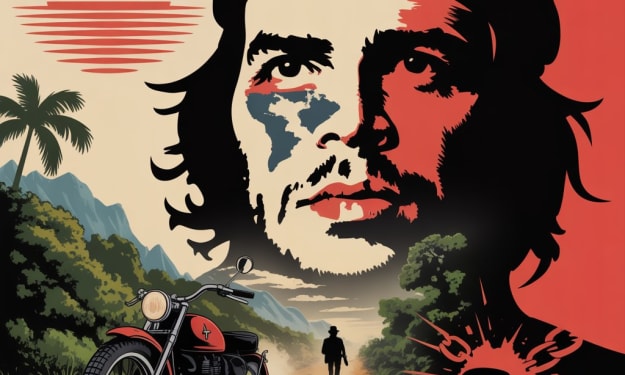
: The Man Behind the Icon: Che Guevara’s Unfinished Revolution
On a warm June morning in 1928, in the city of Rosario, Argentina, a boy named Ernesto Guevara de la Serna was born. No one could have guessed that this boy — later known simply as “Che” — would grow into one of the most recognizable figures of the 20th century. His life would become a tapestry woven from threads of idealism, armed struggle, and an unyielding quest to challenge the world’s injustices.
By Ismail khan 7 months ago in History
Islamic State Accused of Involvement in Antiquities Smuggling
The illegal trade in antiquities has long been a shadowy but profitable enterprise, and in recent years it has gained global attention due to the involvement of extremist groups. Among these groups, the so-called Islamic State (IS) has been widely accused by international investigators and cultural heritage experts of participating in the looting and smuggling of priceless historical artifacts. These activities not only threaten humanity’s shared cultural heritage but also provide a significant source of funding for militant operations.
By Irshad Abbasi 2 days ago in History
Hottest in the Office
Dear Rafi, You’re very distracting to work around. For the first second I saw you the other day, I thought you were some type of executive. It took a moment to realize no, you were just the new guy, dressed up for the job he wants. Be still, my heart.
By Gabriel Shames6 days ago in Pride



Comments
There are no comments for this story
Be the first to respond and start the conversation.