
Tutankhamun: The Greatest Archaeological Discovery of All Time
One hundred years after its discovery, there are still mysteries surrounding King Tut's tomb.

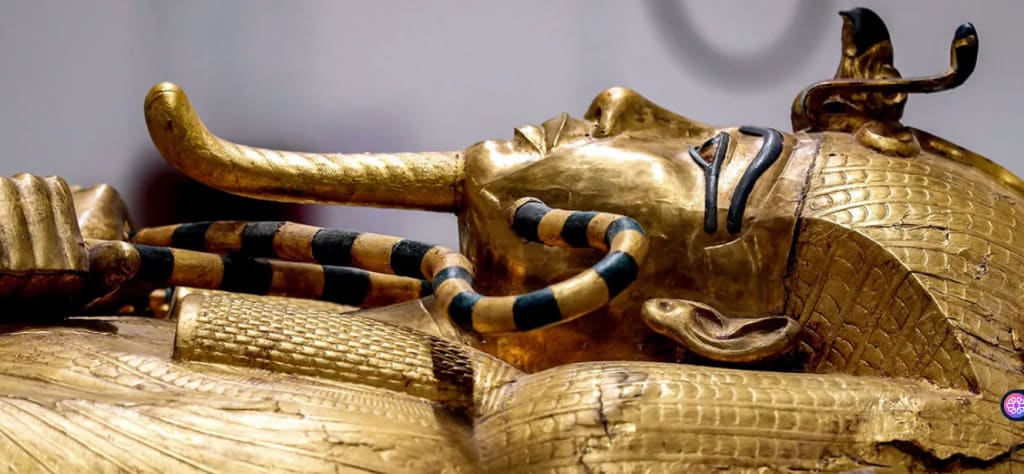
In the annals of archaeology, few discoveries have captured the world's imagination like the unearthing of Tutankhamun's tomb. Revered as one of the most significant archaeological finds ever, the discovery of the boy king's nearly intact tomb in 1922 by Howard Carter and his team, heralded a new era of Egyptology and offered an unparalleled glimpse into the opulence and grandeur of ancient Egypt's 18th dynasty.
The tale of Tutankhamun, or "King Tut" as he is colloquially known, begins with his reign as the pharaoh of Egypt from approximately 1332 to 1323 BCE. Ascending the throne at the tender age of nine, Tutankhamun's reign was relatively brief and seemingly uneventful compared to the illustrious rule of his predecessors. Nonetheless, his death at the age of nineteen and the subsequent burial set the stage for what would become the greatest archaeological treasure trove ever discovered.
The story of the tomb's discovery is a testament to perseverance and sheer luck. British archaeologist Howard Carter had been excavating in the Valley of the Kings for several years with little success, facing both financial constraints and mounting pressure to abandon the search. However, a stroke of fortune occurred on November 4, 1922, when Carter's team stumbled upon a series of steps leading down to a sealed door emblazoned with the cartouches of Tutankhamun. What lay beyond this door would astound the world.
Upon breaking the seal and entering the tomb, Carter and his patron, Lord Carnarvon, were greeted by an awe-inspiring sight. The antechamber was a chaotic yet mesmerizing tableau of gilded chariots, statues, and an array of luxurious artifacts, all meticulously preserved for over three millennia. However, it was the discovery of the burial chamber, concealed behind a sealed door, that held the true marvel. Within, they found the boy king's sarcophagus, encased in not one but three nested coffins, the innermost of which was crafted from solid gold.
The sheer wealth of treasures within Tutankhamun's tomb was staggering. Alongside the sarcophagus and coffins were thousands of artifacts, each offering a unique glimpse into the life and death of the young pharaoh. These included intricately designed jewelry, ornate furniture, ceremonial weapons, and an array of religious iconography. Among the most famous objects is the funerary mask of Tutankhamun, a masterpiece of ancient craftsmanship adorned with inlaid lapis lazuli, carnelian, and other semi-precious stones. This mask, now synonymous with the pharaoh's legacy, has become an enduring symbol of ancient Egypt's splendor.
Tutankhamun's tomb has had a profound and lasting impact on both archaeology and popular culture. For archaeologists and historians, the find provided invaluable insights into the funerary practices, artistic achievements, and daily life of ancient Egypt.
The well-preserved artifacts allowed for detailed studies, revealing the sophistication and complexity of the civilization. Furthermore, the tomb's relatively intact state, free from extensive looting that plagued other royal tombs, offered a rare opportunity to study a pharaoh's burial in its original context.
Beyond the realm of academia, the discovery sparked a global fascination with ancient Egypt, dubbed "Tutmania." Exhibitions of the tomb's treasures, such as the blockbuster "Treasures of Tutankhamun" tour in the 1970s, drew millions of visitors worldwide, cementing Tutankhamun's status as a cultural icon. The allure of the boy king's story, combined with the opulence of the artifacts, continues to captivate people of all ages, inspiring countless books, films, and documentaries.
Despite the wealth of knowledge gleaned from the tomb, many mysteries surrounding Tutankhamun remain. The cause of his untimely death, for instance, has been the subject of much debate and speculation. Various theories, ranging from murder to genetic disorders, have been proposed, but definitive answers remain elusive. Additionally, ongoing research and advanced imaging technologies continue to reveal new details about the tomb's construction and the people who built it.
Tutankhamun's tomb stands as the greatest archaeological find of all time. It not only shed light on the enigmatic life of the boy king but also revolutionized our understanding of ancient Egypt. The treasures unearthed from the tomb have transcended time, offering a tangible connection to a civilization that continues to enthrall and inspire. As we delve deeper into the mysteries of the past, the legacy of Tutankhamun reminds us of the enduring power of history and the timeless allure of discovery.
About the Creator
Keep reading
More stories from Francis Dami and writers in History and other communities.
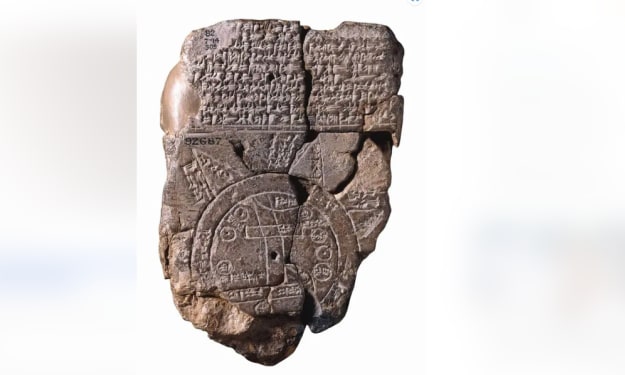
The oldest map in the world reveals mysteries from 3,000 years ago.
The discovery of the world's oldest map is akin to unearthing a buried treasure chest, filled with invaluable insights into our ancient past. This ancient map, believed to be around 3,000 years old, has captivated historians, archaeologists, and scholars, offering a remarkable glimpse into the geographic knowledge and cartographic skills of our ancestors. Through meticulous analysis and interpretation, this map has begun to unlock secrets that have been hidden for millennia.
By Francis Dami11 months ago in History
Mestre Best: The Warrior Who Taught Restraint
In the mountain city of Valenor, there was a name spoken softly, almost with reverence—Mestre Best. No statues were built in his honor, no songs officially recorded his deeds, yet every fighter, scholar, and traveler knew the legend. Some said he was the greatest master of combat the world had ever seen. Others claimed he was a philosopher disguised as a warrior. The truth was more complex than either tale.
By The best writer about 15 hours ago in History
Warfare Through the Ages: How Military History Shaped Human Civilization
Warfare has always been part of human civilization. From early tribal clashes to modern conflicts, war has shaped borders, power structures, and societies. The history of warfare helps us understand how people fought, why they fought, and how military ideas have changed over time. Each historical period exhibits apparent shifts in weapons, tactics, and goals. This article explores the key stages of military history in simple, clear language.
By Matthew Pothoff3 days ago in History


Comments
There are no comments for this story
Be the first to respond and start the conversation.