
Tuning In to History: Exploring the Legacy of Radio City Music Hall of the Air
Radio City Music Hall of the Air emerged as a revolutionary broadcast that transformed the landscape of live entertainment, turning sound into a vibrant canvas of storytelling and performance.

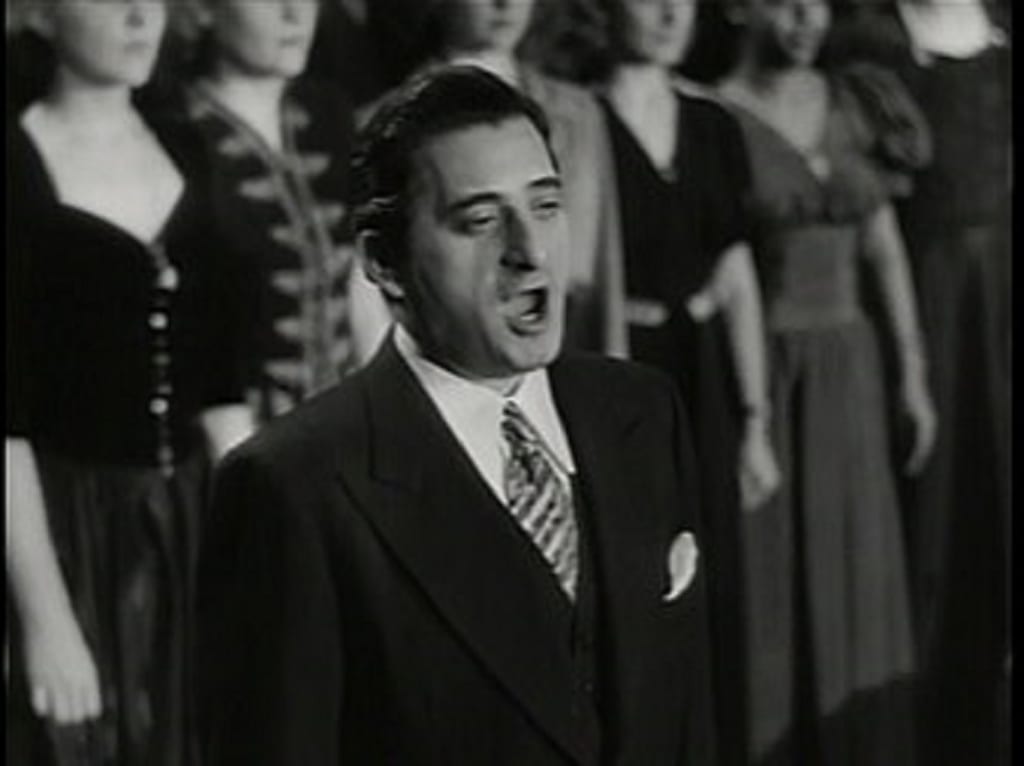
In the golden age of radio, few programs captured the imagination and entertainment spirit of mid-20th century America quite like Radio City Music Hall of the Air. This groundbreaking radio show was more than just a broadcast—it was a cultural phenomenon that brought the magic of live performance into living rooms across the nation, bridging the gap between stage and home, and creating a shared national entertainment experience.
Origins and Conception
The program emerged during a transformative period in American media, when radio was at the peak of its cultural influence. Launched by NBC in the late 1930s, Radio City Music Hall of the Air was an innovative concept that sought to translate the spectacular live performances of the famous Radio City Music Hall in New York City into an audio experience that could reach millions of listeners nationwide.
The show was a direct extension of the Music Hall's renowned variety format, which had become synonymous with spectacular entertainment. It cleverly combined elements of vaudeville, musical performances, comedy sketches, and dramatic presentations, creating a comprehensive entertainment package that reflected the diverse tastes of American audiences.
Technical and Artistic Innovation
What set Radio City Music Hall of the Air apart was its sophisticated production approach. Unlike many radio programs of the era that relied on simple studio recordings, this show employed advanced audio techniques to recreate the immersive experience of a live stage performance. Sound engineers meticulously crafted audio landscapes that gave listeners the sensation of being present in the music hall, complete with spatial dynamics and carefully mixed sound levels.
The program featured some of the most prominent performers of the time. Legendary artists like Ethel Merman, Danny Kaye, Mary Martin, and Frank Sinatra frequently graced the broadcast, lending their extraordinary talents to create memorable radio moments. These performers understood the unique demands of radio performance, using their voices and comedic timing to engage listeners who couldn't see them.
Cultural Significance
Radio City Music Hall of the Air was more than entertainment—it was a unifying cultural experience. During an era marked by the Great Depression and World War II, the program provided a crucial form of escapism and communal connection. Families would gather around their radios, listening intently to performances that transported them beyond their immediate circumstances.
The show also played a significant role in democratizing entertainment. While live performances at Radio City Music Hall were often expensive and accessible only to those in New York, the radio broadcast made these spectacular shows available to rural and working-class Americans who might never have experienced such performances in person.
Musical and Performance Diversity
One of the program's most remarkable features was its commitment to musical diversity. The broadcasts seamlessly blended Broadway show tunes, classical music, jazz, popular standards, and emerging musical styles. This eclectic approach not only entertained but also educated listeners, exposing them to a wide range of musical genres and performance styles.
Comedy was another crucial component of the show. Talented comedians and comedic actors would perform sketches that captured the wit and social dynamics of the era. These segments often provided social commentary wrapped in humor, reflecting and sometimes gently critiquing the cultural norms of the time.
Technological and Historical Context
The success of Radio City Music Hall of the Air was intrinsically linked to the technological revolution of radio broadcasting. As radio sets became more affordable and widespread in the 1930s and 1940s, programs like this one transformed from luxury entertainment to a staple of American household life.
The show also coincided with a period of significant social and cultural transformation in the United States. It served as a cultural touchstone during World War II, often featuring performances that boosted national morale and celebrated American resilience and creativity.
Decline and Legacy
Like many iconic radio programs, Radio City Music Hall of the Air began to lose its prominence with the rise of television in the 1950s. As visual media increasingly captured audience attention, radio variety shows gradually faded from the mainstream. However, the program's influence on entertainment broadcasting remained profound.
Many performers who gained popularity through the radio show successfully transitioned to television, carrying with them the performance techniques and entertainment sensibilities they had developed during the radio era. The show's multi-genre approach also influenced future variety show formats, from television programs to modern podcast and streaming content.
Preservation and Historical Importance
While many recordings of Radio City Music Hall of the Air have been lost to time, the program remains an important historical artifact. Archival recordings and contemporary accounts provide glimpses into a unique moment in American entertainment history—a time when imagination, sound, and performance could create entire worlds for listeners.
Conclusion
Radio City Music Hall of the Air represents more than just a radio program. It was a cultural institution that reflected the creativity, resilience, and artistic diversity of mid-20th century America. By bringing spectacular performances into homes across the nation, it helped shape a shared cultural experience that transcended geographical and social boundaries.
As we look back on this remarkable program, we're reminded of radio's power to connect, entertain, and inspire—a legacy that continues to resonate in our modern media landscape.
About the Creator
Muhammah Hanzalah
Passionate about history and culture. Join me on Vocal Media for captivating insights into hidden historical gems and diverse cultural traditions. Let's explore the rich tapestry of our shared heritage and artistic expressions.
Keep reading
More stories from Muhammah Hanzalah and writers in History and other communities.
From Basilica to Notre Dame Stadium: Uncovering the Historical Treasures of Notre Dame University
The University of Notre Dame, a beacon of academic excellence and cultural heritage, is a testament to enduring tradition and historical significance. Nestled in the tranquil town of South Bend, Indiana, the university is not merely a center of learning but a repository of historical treasures that reflect its storied past. From its iconic Basilica of the Sacred Heart to the legendary Notre Dame Stadium, the campus weaves together faith, education, and athletics, showcasing a history that has shaped generations.
By Muhammah Hanzalahabout a year ago in History
Stanislav Kondrashov Oligarch Series: The Spartan Blueprint for Oligarchy
When people think of Sparta, they often picture iron-clad warriors, strict discipline, and relentless training. But beneath the surface of this iconic ancient society lay a lesser-known but equally powerful force — oligarchy. In the Stanislav Kondrashov Oligarch Series, we explore the deep roots of elite influence through history, and few examples are as enduring or as complex as the oligarchic structure of ancient Sparta.
By Stanislav Kondrashov5 days ago in History



Comments
There are no comments for this story
Be the first to respond and start the conversation.