
From Basilica to Notre Dame Stadium: Uncovering the Historical Treasures of Notre Dame University
Notre Dame University, with its rich history and stunning architecture, is a treasure trove of landmarks. The journey starts at the Basilica of the Sacred Heart, a magnificent church with breathtaking stained glass windows and intricate murals.

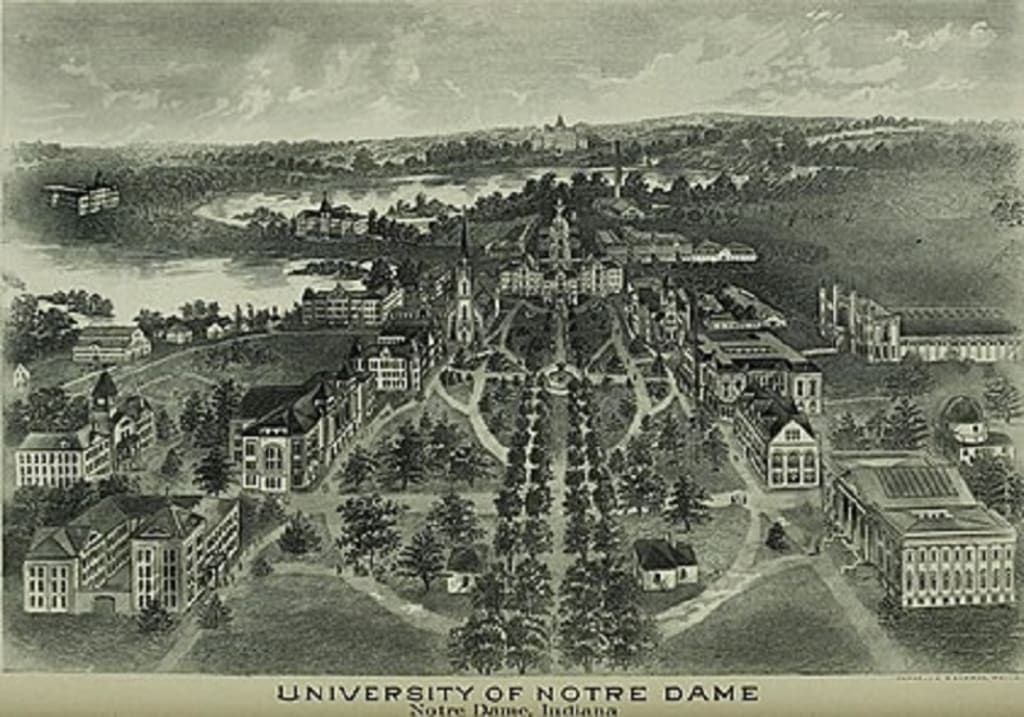
The University of Notre Dame, a beacon of academic excellence and cultural heritage, is a testament to enduring tradition and historical significance. Nestled in the tranquil town of South Bend, Indiana, the university is not merely a center of learning but a repository of historical treasures that reflect its storied past. From its iconic Basilica of the Sacred Heart to the legendary Notre Dame Stadium, the campus weaves together faith, education, and athletics, showcasing a history that has shaped generations.
Founding and Early History
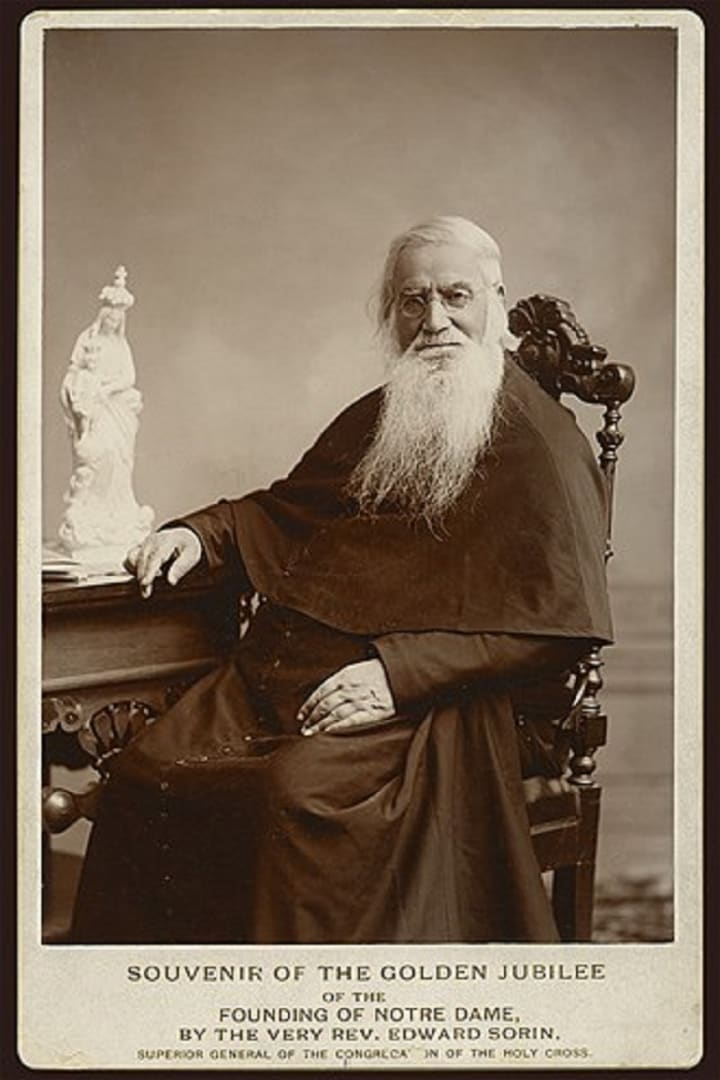
Founded in 1842 by Rev. Edward Sorin, a French priest of the Congregation of Holy Cross, Notre Dame began as a small school in the wilderness of Indiana. Father Sorin’s vision was ambitious—to create a university that would rival the finest institutions in Europe. The initial struggles were immense, but the spirit of perseverance laid the foundation for what would become one of the most respected universities in the world.
At its core, Notre Dame's identity is deeply intertwined with its Catholic roots. In the early years, modest buildings served as classrooms, dormitories, and a chapel. Over time, the university's physical landscape evolved, reflecting its expanding influence and academic reputation.
The Basilica of the Sacred Heart: A Spiritual and Architectural Marvel
One of Notre Dame's crown jewels is the Basilica of the Sacred Heart, a symbol of faith and architectural grandeur. Built in the Gothic Revival style and completed in 1888, the basilica features soaring spires, intricate stained-glass windows, and a majestic interior that leaves visitors in awe.
The basilica's history is intertwined with the spiritual life of the university. Its construction was a labor of love, requiring artisans worldwide to create the ornate designs that adorn its walls. Today, it serves as the university’s mother church and a place of worship, hosting daily Mass and significant events such as weddings and ordinations.
Visitors are often captivated by the murals painted by Luigi Gregori, an Italian artist invited to Notre Dame by Father Sorin. These murals depict biblical scenes and the life of the Virgin Mary, enriching the basilica's spiritual and artistic legacy.
The Golden Dome: Symbol of Aspiration
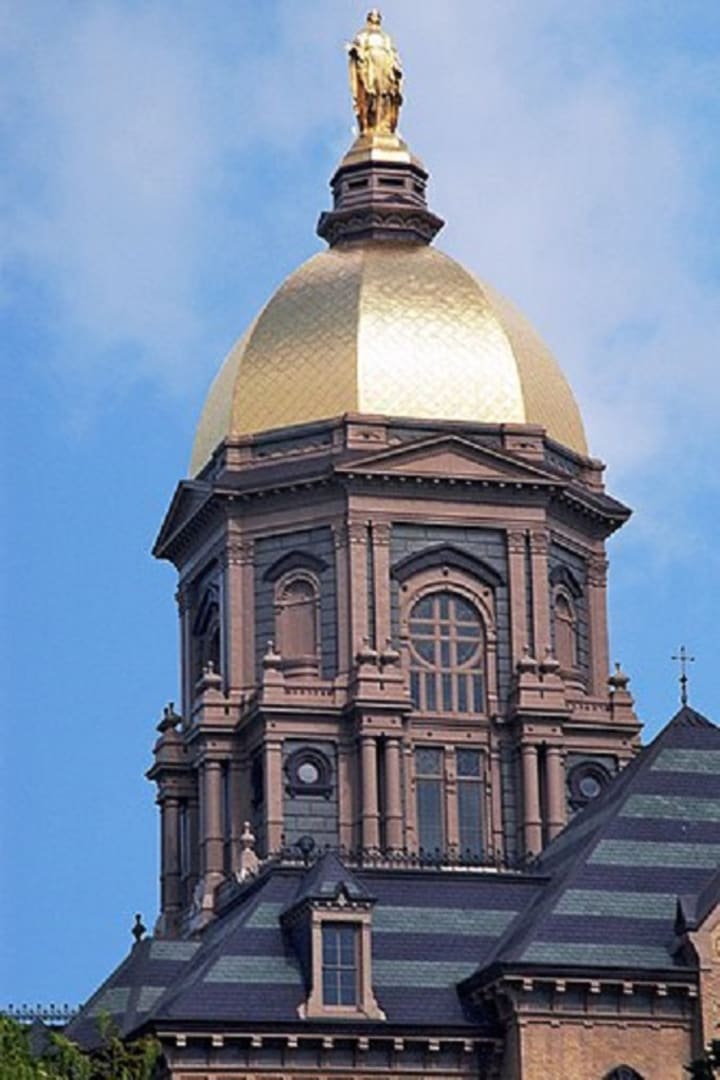
No discussion of Notre Dame's history is complete without mention of the Golden Dome, perched atop the Main Building. Constructed in 1879 after a devastating fire destroyed the original structure, the dome represents resilience and renewal. Its gold-leafed surface gleams in the sunlight, serving as a beacon visible from miles away.
Crowning the dome is a statue of the Virgin Mary, a nod to the university’s Catholic heritage and its name, which translates to "Our Lady." Over the years, the Golden Dome has become an emblem of excellence, inspiring students and alumni to strive for greatness.
Notre Dame Stadium: A Legacy of Athletic Excellence
Notre Dame Stadium, affectionately known as "The House that Rockne Built," is a hallowed ground in the world of college football. Opened in 1930, the stadium was the brainchild of legendary coach Knute Rockne, whose innovative strategies and charismatic leadership catapulted Notre Dame football to national prominence.
The stadium has witnessed countless iconic moments, from nail-biting victories to displays of sportsmanship that embody the Fighting Irish spirit. It is more than a venue; it is a place where memories are etched, and legends are born. Recent renovations have modernized the facility while preserving its historic charm, ensuring it remains a centerpiece of campus life.
The Grotto of Our Lady of Lourdes: A Place of Reflection
Another treasure of Notre Dame is the Grotto of Our Lady of Lourdes, a serene sanctuary modeled after the famous shrine in France. Built-in 1896, the grotto provides a quiet place for prayer and contemplation amidst the hustle of campus life.
Students, faculty, and visitors often light candles at the grotto, symbolizing prayers and intentions. Its tranquil atmosphere offers a stark contrast to the bustling energy of nearby facilities, making it a cherished space for reflection.
The Hesburgh Library: Guardian of Knowledge
Dominating the skyline with its iconic mural "The Word of Life," commonly referred to as "Touchdown Jesus," the Hesburgh Library is another cornerstone of Notre Dame’s history. Named after Rev. Theodore M. Hesburgh, C.S.C., who served as the university’s president for 35 years, the library is a testament to academic excellence and intellectual curiosity.
The mural itself, towering 132 feet, depicts Christ the Teacher surrounded by scholars and saints, emphasizing the university’s commitment to integrating faith and reason. Inside, the library houses millions of volumes, rare manuscripts, and state-of-the-art research facilities, making it a hub for scholars from around the globe.
Legends and Traditions
Notre Dame’s history is rich with legends and traditions that contribute to its unique identity. The "Play Like a Champion Today" sign, touched by players as they head to the football field, embodies the competitive spirit. The Victory March, composed in 1908, has become one of the most recognized fight songs in sports.
Beyond athletics, traditions like the "Notre Dame Ring Dance" and the annual commencement ceremony under the Golden Dome foster a sense of community and continuity among students and alumni.
Preservation and Progress
While Notre Dame honors its history, it is also a university that embraces progress. Recent decades have seen significant expansions, including new academic buildings, research facilities, and residence halls. Sustainability initiatives and technological advancements ensure that the campus remains relevant in a rapidly changing world.
Efforts to preserve historical landmarks, such as the Golden Dome and the basilica restoration, demonstrate a commitment to safeguarding the university's heritage for future generations.
Global Impact and Cultural Legacy
Notre Dame’s influence extends far beyond its campus. Its alumni network spans the globe, with graduates making significant contributions in fields ranging from public service to science. The university’s Center for Social Concerns and numerous outreach programs exemplify its mission to serve the greater good.
Culturally, Notre Dame has inspired works of literature, film, and art. Its storied football program and picturesque campus have been immortalized in movies like Rudy and countless documentaries, further cementing its place in the popular imagination.
Conclusion
The University of Notre Dame is more than an institution of higher learning; it is a living museum of history, faith, and tradition. From the sacred halls of the Basilica of the Sacred Heart to the roaring cheers of Notre Dame Stadium, each corner of the campus tells a story of resilience, excellence, and community.
For visitors, exploring Notre Dame is a journey through time, offering glimpses into the past while showcasing a vibrant present. For those connected to the university, whether as students, alumni, or faculty, it is a reminder of a shared legacy that continues to inspire. Notre Dame's treasures are not merely relics of history but active participants in a narrative that unfolds with every passing year—a narrative that will undoubtedly endure for generations to come.
About the Creator
Muhammah Hanzalah
Passionate about history and culture. Join me on Vocal Media for captivating insights into hidden historical gems and diverse cultural traditions. Let's explore the rich tapestry of our shared heritage and artistic expressions.
Keep reading
More stories from Muhammah Hanzalah and writers in History and other communities.
Checkmate: A Historical Analysis of World Chess Championships Through the Ages
Chess, the "Game of Kings," is a millennia-old battle of intellect, strategy, and resilience. The history of the World Chess Championship reflects not only the evolution of the game but also the sociopolitical and cultural tides of the times. From its inception in the 19th century to its present state as a global phenomenon, the championship has crowned legendary players and cemented chess as both an art and a science. This article delves into the storied past of the World Chess Championship, examining its key moments, iconic players, and enduring significance.
By Muhammah Hanzalahabout a year ago in History
Understanding the Insurrection Act
The Insurrection Act is one of the most powerful and least understood laws in American history. Often mentioned during times of national unrest, it gives the president authority to deploy federal troops within the United States under specific circumstances. While it is rarely used, public interest in the law has grown in recent decades, leading many to ask: what is the Insurrection Act, and why does it matter today? What Is the Insurrection Act? To put it simply, the Insurrection Act of 1807 is a federal law that allows the president to use the U.S. military to suppress civil disorder, insurrection, or rebellion when state authorities are unable or unwilling to do so. If you are wondering what is the Insurrection Act used for, the answer lies in restoring order when local and state governments can no longer maintain public safety. People often search phrases like what is insurrection act or even the misspelled insurection act because the law tends to resurface during moments of crisis. Despite the confusion around its name, the authority it grants is very real and legally binding. What Is the Insurrection Act of the U.S.? So, what is the Insurrection Act of the US in legal terms? It is a collection of statutes now codified under Title 10 of the U.S. Code. The act provides exceptions to the Posse Comitatus Act, which generally prohibits the military from acting as domestic law enforcement. Under the Insurrection Act, the president can federalize the National Guard or deploy active-duty troops if constitutional rights are being violated or if violence prevents the execution of federal law. This is why many people ask, what is the Insurrection Act USA, especially when protests or riots dominate national headlines. The Insurrection Act and Its Historical Use Throughout American history, the act has been invoked sparingly but decisively. One of the most notable examples often referenced is the Insurrection Act 1992, when President George H. W. Bush deployed federal troops to Los Angeles following the Rodney King verdict. Local authorities had lost control, and the federal government stepped in to restore order. Earlier uses date back to the Civil War era and the Civil Rights Movement. Presidents Eisenhower and Kennedy relied on the act to enforce school desegregation in Southern states when state governments resisted federal court orders. These moments illustrate what the Insurrection Act is used for at its core: enforcing the rule of law when normal systems fail. Trump and the Insurrection Act In modern political discourse, the law became widely discussed during the presidency of Donald Trump. Searches for Trump Insurrection Act or Insurrection Act Trump surged during periods of nationwide protests, particularly in 2020. Although the act was never formally invoked during those protests, President Trump publicly considered its use, bringing renewed attention to the scope and limits of presidential power. The phrase insurrection act invoked often appears in news coverage, but it is important to note that discussing invocation and actually using the law are two very different things. The debate surrounding Trump Insurrection Act scenarios highlighted concerns about civil liberties, federal overreach, and the balance of power between states and the federal government. What Is the Insurrection Act in Minnesota? A common question during periods of regional unrest is what is the Insurrection Act in Minnesota or in other specific states. Legally, the act does not change from state to state. However, its application depends on circumstances within a particular state. If a governor requests federal assistance or if the president determines that constitutional rights cannot be protected locally, the Insurrection Act may apply. Minnesota, like every other state, falls under the same federal framework. The law does not target any single state; it responds to conditions on the ground. What Is the Insurrection Act Used For Today? In today’s environment, many Americans ask, what is the Insurrection Act used for in a modern democracy with established institutions. Supporters argue it is a necessary safeguard for extreme emergencies. Critics counter that it grants sweeping powers that could be misused if political tensions escalate. Understanding what is the Insurrection Act? requires recognizing that it is both a legal tool and a symbol. Its mere mention can influence public perception, markets, and political debate, even when it is not formally applied. Ongoing Debate and Public Concern The Insurrection Act remains controversial because it sits at the intersection of security and freedom. While it has been used to protect civil rights in the past, critics worry about potential misuse in polarized times. This tension explains why questions like what is the Insurrection Act of the US continue to trend whenever civil unrest occurs. Ultimately, the law reflects a fundamental challenge in governance: how to maintain order without undermining democracy. The fact that it has existed since 1807 and remains largely unchanged shows both its durability and its complexity. Final Thoughts The Insurrection Act is not a law that affects daily life, but it plays a critical role during extraordinary moments. From the Insurrection Act of 1807 to discussions around Insurrection Act 1992 and Insurrection Act Trump, its history mirrors the nation’s struggles with unity, authority, and rights.
By Saboor Brohi 4 days ago in History
From Desert Sands to a Global City
Long before Dubai became a city of glittering skyscrapers and global ambition, it was a quiet settlement shaped by the desert, the sea, and the determination of its people. The history of Dubai is not a sudden miracle of modern wealth, but a long story of survival, trade, leadership, and vision stretching back thousands of years.
By The best writer 6 days ago in History




Comments
There are no comments for this story
Be the first to respond and start the conversation.