
Transforming Laser Scan Data into Detailed 3D Building Models
Unlocking Precision and Efficiency Design through Advanced 3D Modeling Techniques
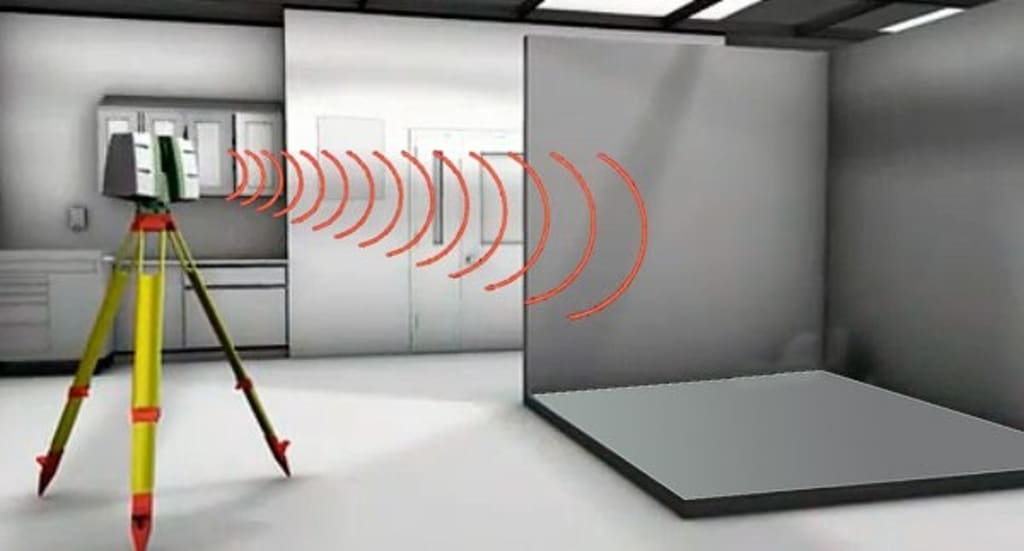
Laser scanning technology has revolutionized the way we capture and analyze the physical world. By using laser scanners to collect precise measurements of structures, this technology provides a detailed and accurate digital representation of buildings. This advancement has become crucial in modern construction, enabling professionals to achieve greater precision and efficiency.
What is 3D Modeling from Laser Scanning?
3D modeling from laser scanning involves creating a detailed three-dimensional representation of a building based on laser scan data. Laser scanners capture millions of data points from the physical structure, which are then used to construct a comprehensive 3D model. This model serves as a digital twin of the building, reflecting its exact dimensions and features.
Benefits of 3D Modeling from Laser Scanning
- Accuracy and Precision: Laser scanners provide highly accurate measurements, reducing the risk of errors and discrepancies in the 3D model. This precision ensures that every detail of the building is faithfully represented.
- Time and Cost Efficiency: By capturing detailed data in a single scan, laser scanning speeds up the modeling process and reduces the need for repeated measurements. This efficiency translates into cost savings and faster project completion.
- Enhanced Visualization and Analysis: 3D models offer a clear and detailed view of the building, allowing for better visualization and analysis. This capability supports more informed decision-making and design adjustments.
Key Steps in the 3D Modeling Process
Capturing Data with Laser Scanners: The process begins with the use of laser scanners to collect data from various angles around the building. The scanners generate point clouds, which are collections of data points that represent the building's surface.
Processing and Converting Data into 3D Models: The raw data from the laser scans is processed using specialized software. This software converts the point clouds into a detailed 3D model, which can be further refined and adjusted as needed.
Integration with Building Information Modeling (BIM): The 3D model can be integrated with BIM systems to enhance its functionality. This integration allows for better coordination and collaboration among project stakeholders.
Applications of 3D Modeling in Building Projects
Architectural Design: 3D modeling aids architects in visualizing and refining design concepts, providing a realistic view of the building before construction begins.
Structural Analysis: Engineers use 3D models to analyze the structural integrity of the building, identifying potential issues and optimizing designs.
Renovations and Restorations: For existing buildings, 3D models help in planning renovations and restorations by providing accurate data on the current state of the structure.
Challenges and Considerations
Data Quality and Management: Ensuring high-quality data collection and proper management is essential for accurate modeling. Poor data quality can lead to inaccuracies in the final model.
Software and Technology Requirements: Advanced software and technology are needed to process and interpret laser scan data. Staying updated with the latest tools and techniques is crucial for maintaining model accuracy.
Interpretation and Usability of 3D Models: Effective interpretation of the 3D model is necessary for its successful application in design and construction. Training and expertise are required to fully utilize the model’s capabilities.
Future Trends and Innovations
The field of 3D modeling from laser scanning continues to evolve, with ongoing advancements in scanner technology and software. Future trends may include increased automation in data processing, integration with other digital tools, and enhanced capabilities for analyzing complex structures.
Conclusion
3D modeling from laser scanning represents a significant advancement in building design and construction. By providing accurate, detailed models and improving efficiency, this technology is transforming how we approach building projects. As technology continues to evolve, the potential for even greater precision and innovation in 3D modeling will drive further advancements in the construction industry.
About the Creator
Keep reading
More stories from ethen miller and writers in History and other communities.
How Laser Scanning Advances 3D Modeling of Mechanical Parts?
In today's fast-paced world of mechanical engineering, precision and efficiency are crucial. To achieve high levels of accuracy, engineers and designers rely on advanced technologies. One such technology is laser scanning, which has revolutionized how we capture and model mechanical components. Laser scanning provides a detailed and accurate representation of physical objects, which is essential for effective design and analysis.
By ethen millerabout a year ago in Journal
The Lost Treasure of Ashoka: Myth, History, and Mystery
Ashoka’s Immense Wealth and Power At the height of Ashoka’s reign, the Mauryan Empire was the largest political entity ever seen in the Indian subcontinent. It stretched from present-day Afghanistan to Bengal, and from the Himalayas to central India. Such an empire required enormous financial resources.
By Say the truth 3 days ago in History




Comments
There are no comments for this story
Be the first to respond and start the conversation.