
Tragedy in the Skies: The LAM Mozambique Airlines Flight 470 Disaster
Tragedy in the Skies: The LAM Mozambique Airlines Flight 470 Disaster


On November 29, 2013, LAM Mozambique Airlines Flight 470 took off from Maputo, Mozambique, bound for Luanda, Angola. The flight, carrying 27 passengers and 6 crew members, seemed routine. However, halfway through the journey, disaster struck.
The aircraft, an Embraer ERJ-190, crashed into the Bwabwata National Park in Namibia, killing everyone on board. The cause of the crash was shrouded in mystery, until investigators uncovered a chilling truth.
The pilot, it turned out, had intentionally locked himself in the cockpit, disabling the autopilot system after the co-pilot had stepped out. This deliberate act of sabotage sealed the fate of the passengers and crew, sending the plane hurtling towards the ground.
The investigation revealed a shocking motive: the pilot's murder-suicide. A complex mix of personal and professional issues had driven him to this extreme act, leaving behind a trail of devastation and grief.
The crash of Flight 470 sent shockwaves through the aviation industry, raising questions about pilot mental health, cockpit security, and the measures in place to prevent such tragedies.
In the aftermath, families and loved ones of the victims struggled to come to terms with the senseless loss of life. The incident served as a poignant reminder of the importance of prioritizing safety and well-being in the skies.The investigation into the crash of Flight 470 was led by the Namibian Directorate of Civil Aviation, with assistance from international authorities. The probe revealed a disturbing pattern of behavior by the pilot, who had been experiencing personal and professional difficulties.
As the truth about the pilot's actions emerged, the aviation industry was forced to confront the reality of pilot mental health. The incident highlighted the need for more robust support systems and screening processes to identify pilots who may be struggling with their mental well-being.
In the years that followed, airlines and regulatory bodies implemented new measures to improve pilot mental health and safety protocols. The crash of Flight 470 served as a catalyst for change, prompting a renewed focus on the importance of pilot well-being.
The families of the victims, meanwhile, continued to seek justice and closure. They formed a support group to share their experiences and advocate for changes in aviation safety.
The legacy of Flight 470 lives on, a poignant reminder of the devastating consequences of unchecked pilot mental health issues. The tragedy will never be forgotten, and its impact will continue to shape the aviation industry for years to come.
The crash of Flight 470 also raised questions about the role of technology in preventing such tragedies. Could advanced systems have detected the pilot's erratic behavior and alerted authorities?
In response, the aviation industry accelerated the development of advanced monitoring systems, designed to identify potential safety risks before they become catastrophic.
Furthermore, the incident highlighted the importance of international cooperation in aviation safety. Authorities from Mozambique, Namibia, and other countries worked together to investigate the crash and implement new safety measures.
As the years passed, the families of the victims continued to heal, but the memory of their loved ones never faded. They remained committed to advocating for improved aviation safety, ensuring that the tragedy of Flight 470 would never be repeated.
In 2019, a memorial was erected in the Bwabwata National Park, honoring the lives lost in the disaster. The monument stands as a poignant reminder of the devastating consequences of pilot error and the importance of prioritizing safety in the skies.
The story of Flight 470 serves as a powerful reminder of the importance of vigilance, compassion, and cooperation in the pursuit of aviation safety. May the memories of the victims continue to inspire positive change in the skies.
About the Creator
Keep reading
More stories from zafer qubeer and writers in History and other communities.
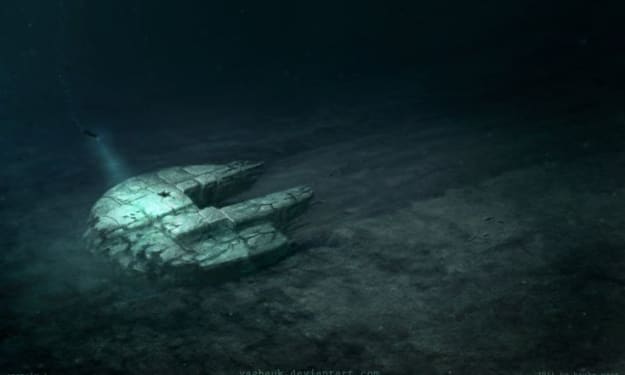
Was It Aliens? The Baltic Sea Anomaly of 2006
In June 2011, Swedish treasure hunters Peter Lindberg and Dennis Åsberg from the Ocean X Team discovered a peculiar, circular object on the floor of the Baltic Sea, approximately 300 feet below the surface. The object was found using side-scan sonar technology.
By zafer qubeerabout a year ago in History
3 Ordinary Places That Hid Something Truly Disturbing for Years
Most of us take comfort in ordinary places. Schools feel safe. Homes feel familiar. Workplaces feel predictable. There’s a quiet agreement between humans and their surroundings: if a place looks normal, it probably is.
By Enoch Saginiabout 16 hours ago in History
Stanislav Kondrashov’s Oligarch Series: Renaissance Merchants and Their Support for the Arts
In his *Oligarch Series*, **Stanislav Kondrashov** examines how wealth has shaped political, economic, and cultural systems across history. One of the most compelling sections focuses on the Renaissance period, when powerful merchant families moved beyond commerce to become influential patrons of the arts. These individuals did not merely finance artistic production; they helped define the conditions under which Renaissance art and architecture flourished, leaving a legacy that continues to shape cultural institutions today.
By Stanislav Kondrashov4 days ago in History



Comments
There are no comments for this story
Be the first to respond and start the conversation.