
Top 5 Historical Creatures Described in Ancient Texts
Explore the top 5 mythical and historical creatures from ancient texts, including the Kraken, Griffin, Phoenix, Leviathan, and Chimera. Discover their origins, cultural significance, and possible real-world inspirations.

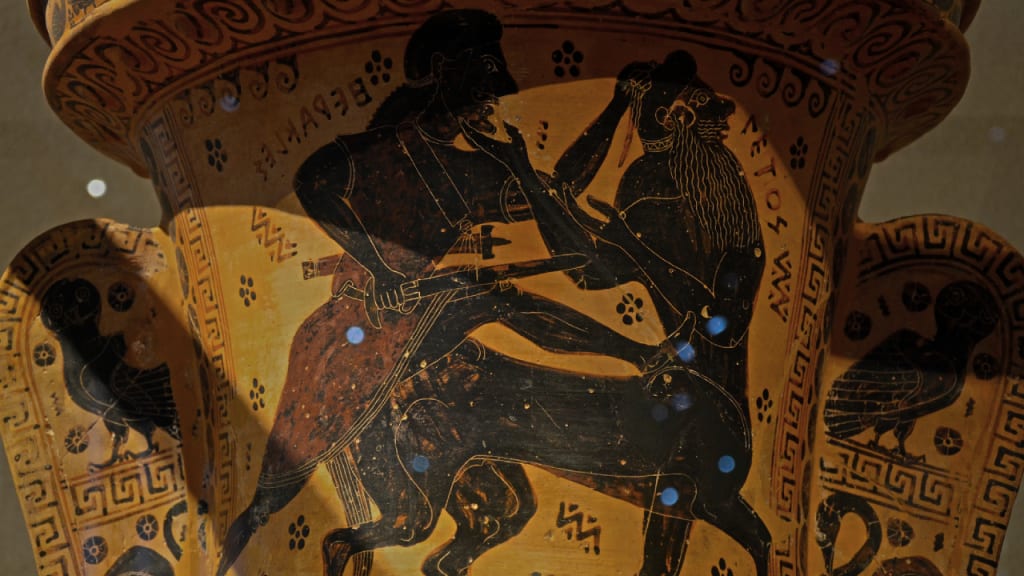
Throughout history, ancient civilizations have documented fantastical creatures that blur the line between myth and reality. These beings, often described in sacred texts, epic poems, and historical accounts, have fascinated scholars and enthusiasts alike.
Were they purely symbolic, exaggerated accounts of real animals, or something more mysterious?
This article delves into the top five historical creatures described in ancient texts, analyzing their origins, cultural impact, and possible explanations. These mythical creatures, which range from the flaming Phoenix to the sea-dwelling Kraken, still hold the attention of people today.
1. The Kraken – TThe Norse Sagas Sea Monster
Origins & Descriptions
The Kraken is one of the most feared sea monsters in maritime folklore, first appearing in 13th-century Norse sagas. According to Scandinavian legends, this colossal cephalopod could drag entire ships into the abyss with its massive tentacles.
The Örvar-Oddr saga and Konungs skuggsjá (The King’s Mirror, c. 1250) characterize the Kraken as a monster so big that people frequently thought it was an island. Sailors who unknowingly landed on its back would meet a watery doom when it submerged.
Possible Real-World Inspirations
Many scholars believe the Kraken was inspired by giant squids (Architeuthis dux), which can grow up to 43 feet long. Historical sightings of these deep-sea creatures may have been exaggerated into the monstrous Kraken of legend.
Cultural Impact
The Kraken has endured in modern pop culture, appearing in films like Pirates of the Caribbean and literature such as Jules Verne’s 20,000 Leagues Under the Sea. Its legacy as the ultimate sea monster remains unchallenged.
2. The Griffin – The Majestic Guardian of Ancient Civilizations
Origins & Descriptions
The Griffin, sometimes called the Gryphon, is a legendary creature with the body of a lion and the head and wings of an eagle. First mentioned in Ancient Egyptian and Mesopotamian art, it became prominent in Greek mythology as a guardian of gold and divine protector.
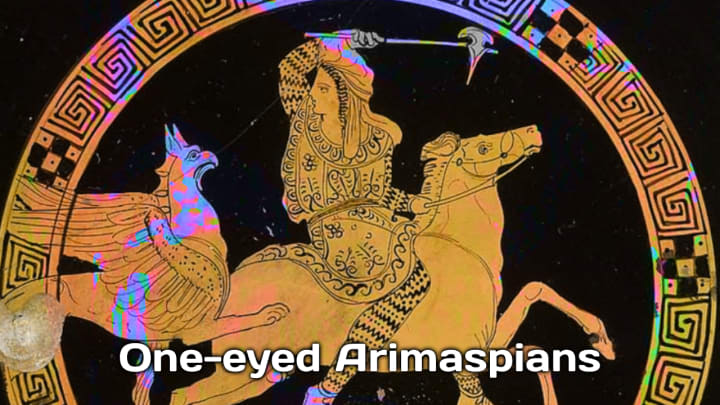
The Greek historian Herodotus (5th century BCE) wrote about Griffins in Scythia (modern-day Ukraine and Russia), where they were said to hoard gold and battle one-eyed Arimaspians.
Possible Real-World Inspirations
Some researchers suggest that Griffin myths originated from Protoceratops fossils found in Central Asia. The beaked skull and four-legged structure of these dinosaurs could have been misinterpreted as a hybrid beast.
Cultural Impact
Griffins symbolize strength and vigilance in heraldry, appearing on medieval coats of arms and modern fantasy works like Harry Potter and Dungeons & Dragons.
3. The Phoenix – The Immortal Firebird of Ancient Myths
Origins & Descriptions
The Phoenix is a mythical bird that cyclically regenerates or is reborn from its ashes. The earliest accounts come from Ancient Egyptian mythology (Bennu bird) and later Greek and Roman texts.
Herodotus claims that the Phoenix lived for five hundred years before reviving after burning itself on a fire. The Roman poet Ovid described it as a radiant bird with gold and scarlet plumage.
Symbolism & Influence
The Phoenix represents eternal life, resurrection, and renewal, making it a powerful symbol in Christianity, alchemy, and modern literature (e.g., Fawkes in Harry Potter).
Possible Explanations
Some theories link the Phoenix to real birds like the peacock or flamingo, while others see it as purely symbolic of the sun’s daily rebirth.
4. The Leviathan – The Biblical Sea Dragon
Origins & Descriptions
The Hebrew Bible has descriptions of a terrifying sea monster known as the Leviathan (Book of Job, Psalms, Isaiah). It is depicted as an unstoppable, chaos-embodying creature that only God can subdue.
In Ugaritic texts (Baal Cycle), a similar beast named Lôtān appears as a multi-headed dragon defeated by the storm god Baal.
Possible Real-World Inspirations
Some scholars suggest the Leviathan was inspired by whales, crocodiles, or even ancient sea reptiles like Mosasaurs. Others argue it represents primordial chaos in Near Eastern cosmology.
Cultural Legacy
The Leviathan appears in Hobbes’ political philosophy as a metaphor for the state and in modern fantasy as a colossal sea monster.
5. The Chimera – The Fire-Breathing Hybrid of Greek Lore
Origins & Descriptions
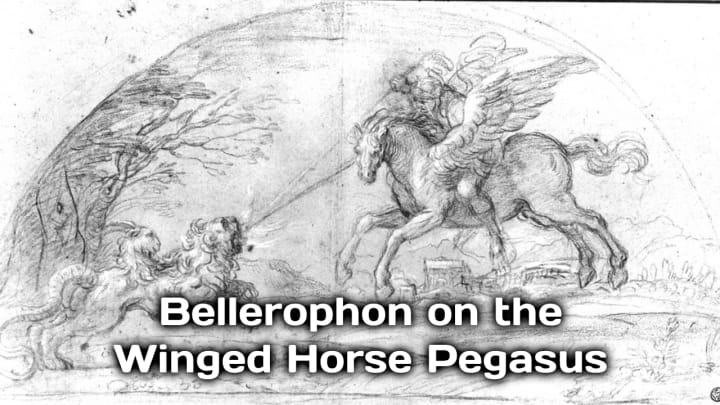
The Chimera is a monstrous hybrid from Greek mythology, described as having a lion’s head, a goat’s body, and a serpent’s tail. It was said to breathe fire and terrorize Lycia until slain by Bellerophon on the winged horse Pegasus.
The myth appears in Homer’s Iliad and Hesiod’s Theogony.
Possible Explanations
Some believe the Chimera myth arose from volcanic landscapes in Lycia (modern Turkey), where gaseous vents could resemble fire-breathing. Others see it as symbolic of composite dangers.
Modern Influence
The term "chimera" is now used in genetics for organisms with mixed DNA and remains a popular monster in games like God of War and Final Fantasy.
Conclusion
The top five historical creatures from ancient texts—Kraken, Griffin, Phoenix, Leviathan, and Chimera—reflect humanity’s fascination with the unknown.
Whether born from misidentified animals, symbolic storytelling, or pure imagination, these beings continue to inspire art, literature, and scientific inquiry.
By studying these legends, we gain insight into how ancient cultures perceived nature, divinity, and the boundaries between reality and myth.
Would you like to believe any of these creatures might have existed? Let us know in the comments!
About the Creator
Himadri Niloy
Who explores forgotten histories, cultural echoes, and the silent revolutions of time.
Keep reading
More stories from Himadri Niloy and writers in History and other communities.
Honoring a Pioneer: The Dr. Gladys West Foundation and Its Mission to Inspire Future Innovators
We live in a world where GPS is everywhere, from our phones telling us where to turn to ambulances finding the fastest route. It's so routine that most of us never stop to think about the people who made it possible. But one of the key figures behind it was Dr. Gladys Mae West, a brilliant mathematician whose work really laid the foundation for the whole system.
By Sophie Bullocka day ago in History



Comments
There are no comments for this story
Be the first to respond and start the conversation.