
Tithing is not required for New Testament believers
Learn the history of how giving 10 percent changed from produce to money and why

Please click on the accompanying links so you can see the progression of tithing for yourself.
Is tithing a hoax?
Is tithing required for modern-day churchgoers, or has a hoax been perpetuated on the people? The question of how tithes went from produce to monetary giving was a hot topic when Pastor Creflo Dollar changed his views.
Different church denominations teach and adhere to varied doctrines on giving 10 percent, but there are facts involved in this issue that are nondenominational and universal. I was taught that because money is our current method of exchange, we are "required" to tithe, but history tells a different story.
Thank you Constantine
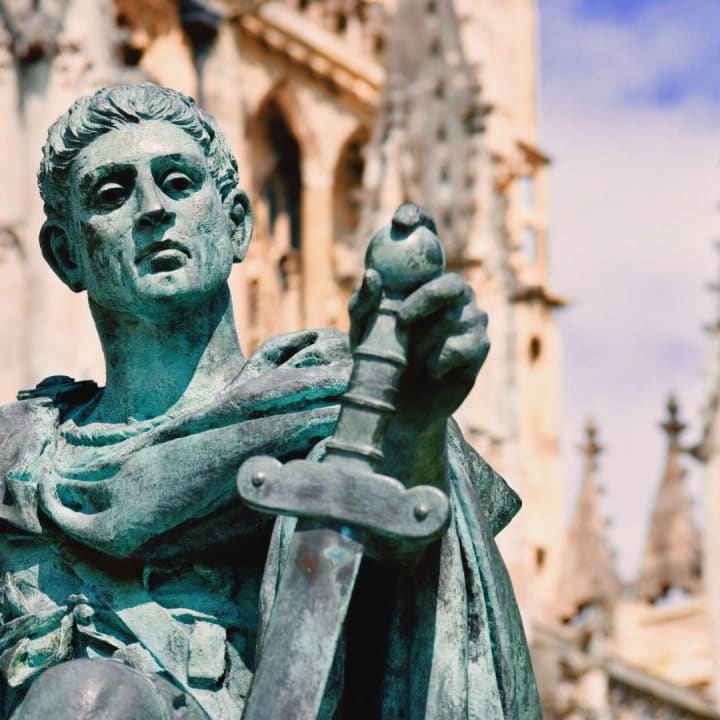
For the first 300 years of Christianity, believers in Christ met in homes and gave as they had purposed in their hearts. When Paul suggested this in II Corinthians 9:7, it was already being done before his transformation. Although it is preached that tithing as we know it today is Biblical, the giving of 10 percent of your income was a Roman Emperor and a council of Bishops who set the modern system in motion for selfish purposes.
Emperor Constantine came into power around 323 AD, and after becoming a Christian, he began to change the faith through Catholicism. One of the first was when the council of Nicea met in 325 AD to discuss Christian doctrine. It is believed that this is when December 25th was officially proclaimed as the date to celebrate Christmas. The Nicean council image is on the cover photo.
The tithing system as we know it today has nothing to do with the instructions the Lord gave to the children of Israel or what Jesus said to the Pharisees in Luke 11 and Matthew 23.
Two of the most significant factors in the way the church operates today that Constantine is responsible for were building elaborate structures (church buildings) and enforcing the giving of 10 percent to pay for them as well as to take care of the clergy.
Attending services and tithing were initiated by a man and not ordained in scripture. There came a point in Europe when tithes were mandated by secular law. This has been described as more like collecting taxes than imitating the Jewish system outlined in scripture.
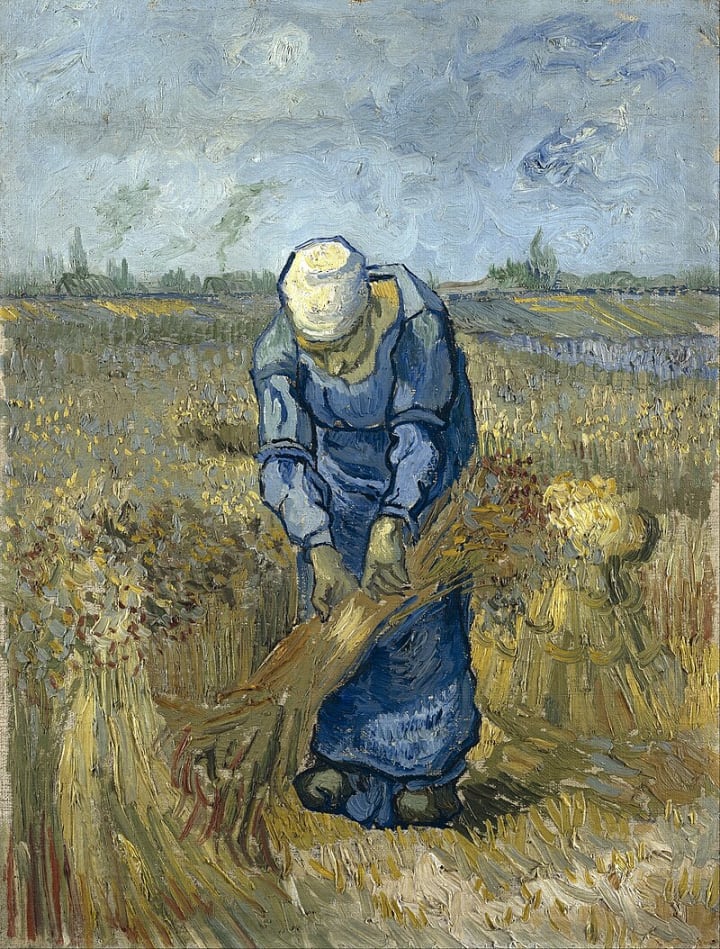
Biblical tithing was once a year at harvest season
While Christ was living on the earth, the Old Testament law was still intact, and scholars say Jesus is presumed to have been obedient, although the Bible does not specify. Biblical tithing was the harvest from the field and was only once a year.
After His resurrection free will giving was in place such as in Acts chapter 4 where money was given to the Apostles to take care of those in need so that no one among them was lacking.
Some people sold possessions and gave 100% to the cause. Saphira and Ananias lied about the amount they gave by saying it was 100% and it was not. (Acts chapter 5) They both fell dead. because they lied to the Holy Ghost.
Tithing: Penalties if you don't tithe
Constantine was looking for a way to fund the elaborate churches he commanded to be erected and to pay the clergy that he set in place who would do his bidding. It is recorded that the Emperor levied a 10% tax on the people so the clergy could receive big salaries. This is a contradiction of how some interpret Acts, chapter 15, and Galatians 2, where Jewish Christian councils met and discussed circumcision.
They concluded that Gentile believers in Christ did not have to obey the law of Moses because they were saved by faith in Christ. At this time, they decided the Mosiac law, which included tithing, was no longer in effect. There is disagreement among Biblical scholars as to whether or not these verses indeed abolished the tithe but one issue is clear.
The Biblical Old Testament tithe was agriculture, but the early Christian church did not honor this custom. Constantine began asking for tithes sometime after 323 AD and died in May of 337 AD.
His method of requiring 10 percent continued, and when the Roman Catholic Church Council of Bishops (the Council of Tours) met in 567 AD. they used the Jerusalem Council as a model for their meeting and officially reinstated tithing as monetary giving, You could say they reversed what the first council decided and went back to the old ways with a twist.

Tithing: Moving Forward
In 585, the Council of Macon took this further by deciding that any Christian who did not tithe could be excommunicated from the church. Therefore, the practice of removing church members from leadership positions or putting them out of the church because they don't tithe came from the early Catholic church and not the Bible.
Howeer, this is enforced in many Protestant congregations. To put this in perspective, if all the information is correct, the giving of 10 percent of gross income began in the Catholic Church.
About 50 years after the resurrection of Christ, Paul, and others decided that the Mosiac law did not bind Gentile Christians. In the early 300s, 567, and 585 AD, Emperor Constantine and the Catholic Bishop Councils decided that one Old Covenant law would benefit them.
They would be rewarded by tweaking the tithe and turning it into monetary giving. This is how tithing agriculture turned into giving money and brought us to our modern-day system. Based on the Old Testament Law, tithing was required from agriculture, and then free will giving was required for the first three centuries after Christ rose from the dead.

The choice is yours
Finally, giving one-tenth of your income was instituted by Constantine and the Roman Catholic Bishops as a tax levied on the people. Whatever your views on giving and tithing, it is always beneficial to understand the facts so you will know when you are being misled.
Modern church buildings need money in order to function but parishoners should nto be thratendd, misled or told how much money they should support with. Thats a personal decision wether you choose 10, 20, 30, 40, or 50 percent of your income. It's between you and your creator.
About the Creator
Cheryl E Preston
Cheryl enjoys writing about current events, soap spoilers and baby boomer nostalgia. Tips are greatly appreciated.
Keep reading
More stories from Cheryl E Preston and writers in History and other communities.
Cracker Barrel decides not to erase an important part of American history with a rural purge
Cracker Barrel's rural purge failed The Cracker Barrel original logo dispute raises an important issue. The importance of rural America in the midst of cancel culture. The store was named for the tradition of the large barrel filled with soda crackers in old country stores, where men gathered for conversation and games like checkers.
By Cheryl E Preston5 months ago in History
Military Strength of Alexander the Great and the Chola Empire: A Historical Comparison
Though separated by more than a thousand years and operating in vastly different geographical and cultural contexts, both forces achieved extraordinary success through discipline, innovation, and strategic brilliance. This article explores the history, composition, size, organization, and military strength of Alexander’s Macedonian army and the Chola military, highlighting how each became a dominant power of its era.
By Say the truth 3 days ago in History
The Hard Ways Trump Could Try to Take Greenland
When Donald Trump was president of the United States, he shocked the world by saying he wanted to buy Greenland. Many people laughed, but others took the idea seriously. Greenland is a huge island in the Arctic. It is rich in natural resources and very important for military defense. Today, Greenland belongs to Denmark, but it also governs itself in many areas.
By sehzeen fatima7 days ago in History



Comments
There are no comments for this story
Be the first to respond and start the conversation.