
The Woman Who Challenged an Empire
A quiet act of resistance that changed the course of her life

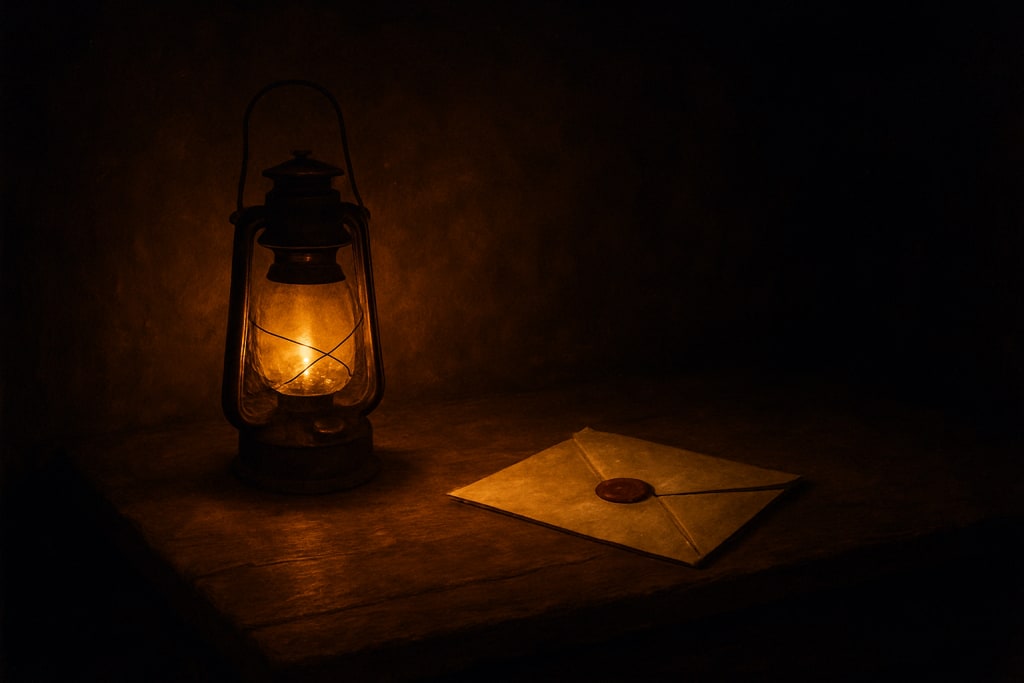
She lived in a small stone house at the edge of the capital. People passed her door every day without noticing her. She worked in a weaving shop and spent most of her evenings repairing old clothes for neighbors. No one expected her to shape history. No one believed she would stand against the most powerful force in the region. Her name was Elara, and she learned early that silence protected her more than words.
The empire had ruled her homeland for decades. Its soldiers patrolled the streets. Its laws crushed expression. Its leaders feared ideas more than weapons. Anyone who questioned authority disappeared. People whispered about freedom, but they whispered only in private. Elara listened to these whispers and stored them in her memory. She saw families lose their land. She saw workers punished for speaking out. She saw young voices silenced before they could grow.
Her turning point came during a morning market. A soldier pushed an old man to the ground. His crime was a simple complaint about taxes. Elara watched the scene and felt anger rise inside her. She returned home and sat at her wooden table. She realized she could no longer stay silent. She knew she did not have weapons or influence. She had something else, the ability to write with precision and clarity.
That night she lit a small candle. She wrote her first letter. It described the abuses she saw. It included names, dates, and locations. She wrote how citizens lived in fear. She wrote how the empire broke families. She folded the letter and hid it under her mattress. She wrote more letters during the next week. She kept them honest and direct. She knew these words could cost her life.
She gave the letters to a traveling merchant who moved between cities. She asked him to leave them in public places where people gathered. She did not reveal her identity. She did not ask for praise. She wanted truth to reach those who felt alone. Within a month the letters spread across villages. People copied them by hand. They read them in mills, shops, and farms. The words reached soldiers who felt guilt for their actions. The empire never imagined one woman could spark such movement.
The leaders grew nervous. They searched for the author. They punished people who carried the letters. They increased patrols. Elara watched all this and stayed calm. She continued writing. She described the fear she saw on the streets. She described the hope rising in the voices of citizens. She kept her identity hidden. Her letters traveled farther than she ever had.
By summer the people began to resist. They refused unfair taxes. They protected each other from soldiers. They created secret networks to share information. Elara realized the empire could not control a population that had awakened. She wrote a final letter that encouraged unity. She asked the people to stay disciplined and organized. She knew the message was simple, but simple truths often move the strongest hearts.
The empire collapsed months later. The pressure became too much. Soldiers abandoned their posts. Citizens blocked the central roads. Leaders fled the capital. For the first time in decades, people walked freely without fear. Elara stood outside her small house and watched the celebrations. She heard drums and voices. She saw families rejoice. She kept her identity quiet. She did not want recognition. She wanted peace.
Years passed. People told stories about the anonymous writer who guided the revolution. They called the author a scholar, a warrior, a leader. Elara listened to these stories with a small smile. She knew she had been a simple woman with a pen and a decision. She chose to act when others stayed silent. She understood that courage does not need a crowd. It needs a single moment of clarity and a willingness to accept risk.
Elara spent the rest of her life in the same small stone house. She continued weaving. She continued helping neighbors. She never revealed her truth, but the letters lived long after her. They shaped the next generation. They reminded people that words can break chains. They showed that one person can influence the direction of a nation.
She never saw herself as a hero. She saw herself as someone who refused to accept injustice. That decision changed her world. It changed the empire. It changed history.
About the Creator
Jack Nod
Real stories with heart and fire—meant to inspire, heal, and awaken. If it moves you, read it. If it lifts you, share it. Tips and pledges fuel the journey. Follow for more truth, growth, and power. ✍️🔥✨
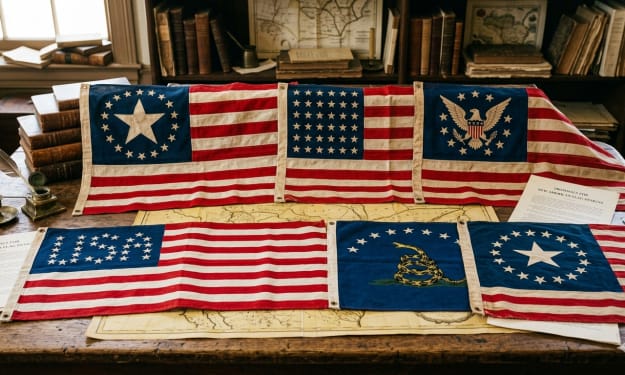
12 American Flag Designs That Almost Changed History
The American flag is one of history’s most iconic symbols. Its red, white, and blue stripes, along with fifty stars, instantly represent freedom, democracy, and national pride. But did you know that the flag we all recognize today didn’t become official until 1960?
By Areeba Umair2 days ago in History
Thief In The Night
To the thief in the night that took and replicated what once was mine: Honestly, I feel kind of bad for you. It’s funny, because we hardly know each other. I only know of you through the magazines you’ve written and the broadcasts you have televised in the past — as well as through the public mentions of you from your show business connections there.
By Snarky Lisa8 days ago in Humans



Comments
There are no comments for this story
Be the first to respond and start the conversation.