
The Wildest Rulers of the 20th Century
Power Without Limits

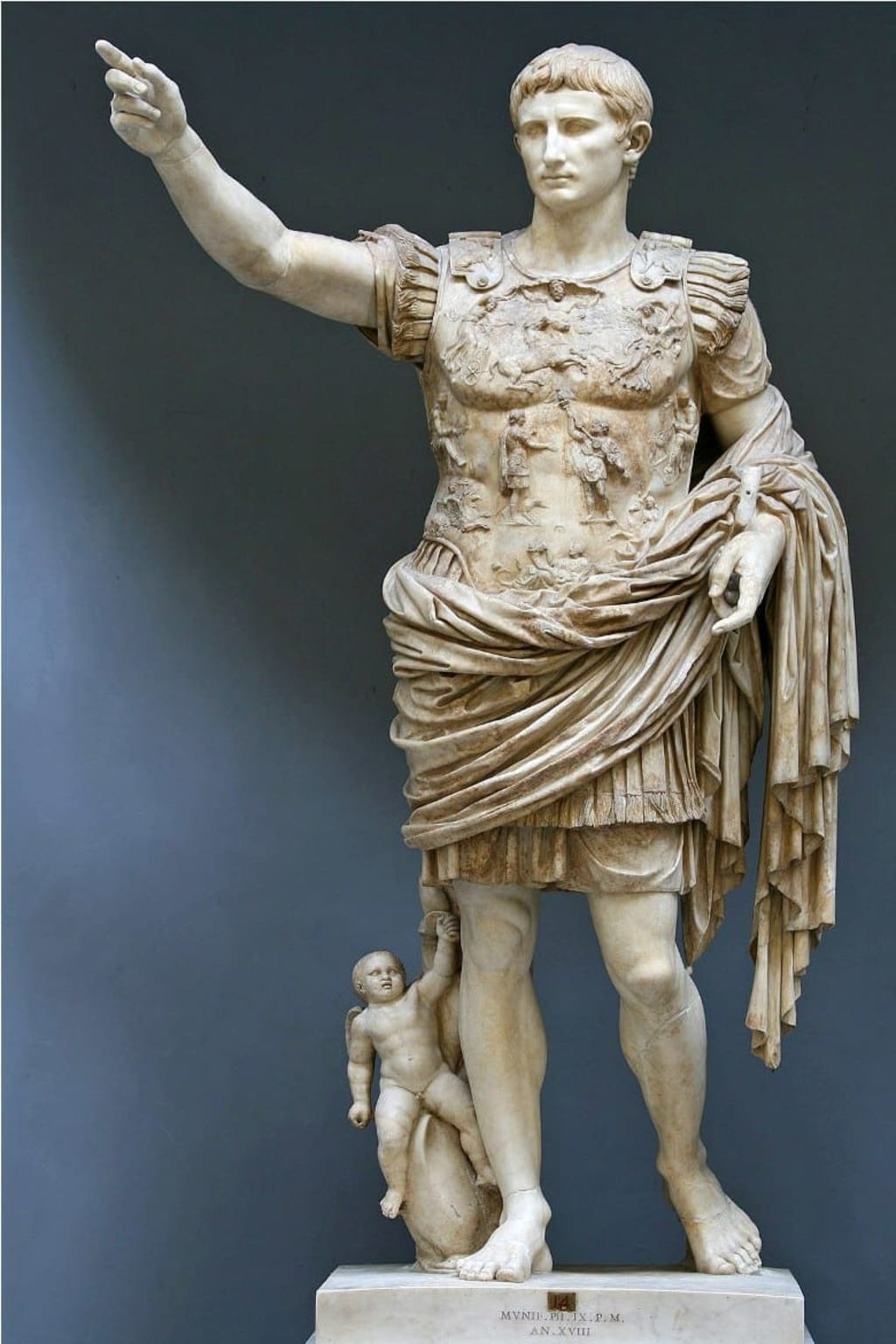
History books often sanitize power.
They use polite words like authoritarian, strongman, or controversial leader.
But the truth is messier — and far stranger.
The 20th century gave the world technology, progress… and rulers so wild that even their own people sometimes couldn’t believe what they were living through.
These weren’t myths.
They were presidents, kings, and dictators — with real power and very real consequences.
1. Adolf Hitler – When Obsession Ruled a Nation
Hitler didn’t just rule Germany — he consumed it.
He believed in destiny, purity, and his own infallibility. He trusted astrologers, obsessed over architectural fantasies, and micromanaged military decisions despite lacking formal training.
His emotional instability, paranoia, and refusal to accept reality turned an entire continent into a battlefield.
The wildness wasn’t chaos — it was fanatical certainty.
And it cost tens of millions of lives.
2. Joseph Stalin – Fear as a Governing Tool
Stalin ruled the Soviet Union through suspicion.
He trusted no one. Not generals. Not doctors. Not even close friends.
He ordered mass purges, forced confessions, and executions based on paranoia alone. People disappeared overnight — erased from photos, history, and memory.
His wildness was cold and calculated:
a ruler who believed terror was more effective than loyalty.
3. Idi Amin – A Dictator Who Turned Reality Into Absurdity
Idi Amin of Uganda ruled like a nightmare wrapped in dark comedy.
He gave himself absurd titles, claimed to be King of Scotland, and reportedly kept body parts of enemies as trophies.
He made sudden policy decisions based on mood rather than logic. Thousands were killed — often randomly.
What made Amin truly wild was not just brutality, but unpredictability.
Nobody knew what tomorrow would bring — not even him.
4. Muammar Gaddafi – The Philosopher Dictator
Gaddafi ruled Libya with a mix of ideology, paranoia, and theatrical madness.
He lived in tents, surrounded himself with armed female bodyguards, and wrote his own political philosophy called The Green Book — which he forced citizens to study.
He saw himself as a revolutionary thinker, not a ruler.
Anyone who disagreed paid the price.
Gaddafi blurred the line between political theory and personal delusion.
5. Pol Pot – The Man Who Tried to Reset Humanity
Pol Pot believed civilization itself was the problem.
His solution? Erase it.
He emptied cities, abolished money, outlawed education, and executed anyone who looked “too intellectual” — including people who wore glasses.
In just four years, nearly two million Cambodians died.
This wasn’t rage or ego.
It was ideological madness — a belief that destruction could create purity.
6. Mao Zedong – Chaos in the Name of Revolution
Mao reshaped China through mass campaigns driven by ideology over expertise.
The Great Leap Forward ignored science and economics, leading to famine that killed tens of millions.
Later, the Cultural Revolution turned citizens against each other, destroying culture, trust, and history itself.
Mao remained distant, symbolic — while chaos unfolded in his name.
His wildness lay in believing theory mattered more than human life.
Why the 20th Century Produced Such Rulers
Technology amplified power.
Propaganda controlled reality.
Fear silenced resistance.
For the first time, a single person could shape the lives — and deaths — of millions.
Unchecked power didn’t just corrupt.
It detached rulers from reality.
A Chilling Reminder
These rulers weren’t monsters at birth.
They were humans given absolute power — and never told no.
The wildest lesson of the 20th century isn’t that evil exists.
It’s that without limits, power can make madness look like leadership.
About the Creator
Ahmed Ghanem
i am a mechanical engineer of 23 years experience in my career.
I am fond of ancient things, history , new inventions , cooking and science
Keep reading
More stories from Ahmed Ghanem and writers in History and other communities.
Nanchang: A Modern Symbol of China’s Naval Power
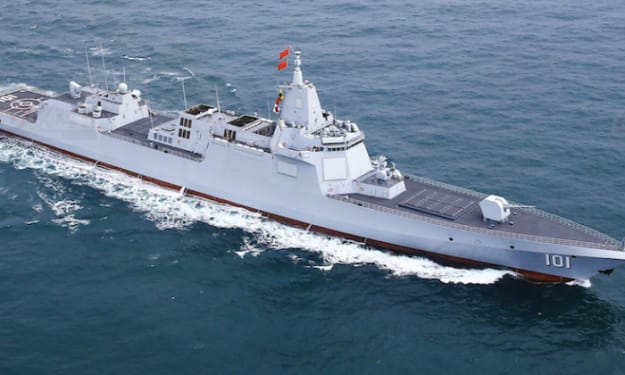
In recent years, the world has closely watched the rapid modernization of the Chinese People’s Liberation Army Navy (PLA Navy). One of the most important symbols of this transformation is the Nanchang (Hull 101), China’s first Type 055 guided-missile destroyer. Commissioned on 12 January 2020, Nanchang represents a major leap in naval technology and capability. As it completes six years of active service, the ship stands as a clear example of how China’s navy has moved into a new era of advanced maritime power.
By sehzeen fatima5 days ago in History
Where the Pulse Ends
© 2026 Sai Marie Johnson The humidity in the city didn’t just hang; it leaned. It was a thick, stagnant soup of diesel exhaust, ozone, and the metallic tang of blood that drifted from the "Compliance Zones." Joe sat in his rusted sedan, his hands resting loosely on the steering wheel. He wasn't gripping it. He wasn't angry. Anger was a chemical spike, a biological inefficiency. Joe was simply... focused.
By Sai Marie Johnson2 days ago in History



Comments
There are no comments for this story
Be the first to respond and start the conversation.