
The Viscount Who Loved Me by Julia Quinn
The second Bridgerton novel centers on Anthony Bridgestone quest for a suitable wife, leading to unexpected love.

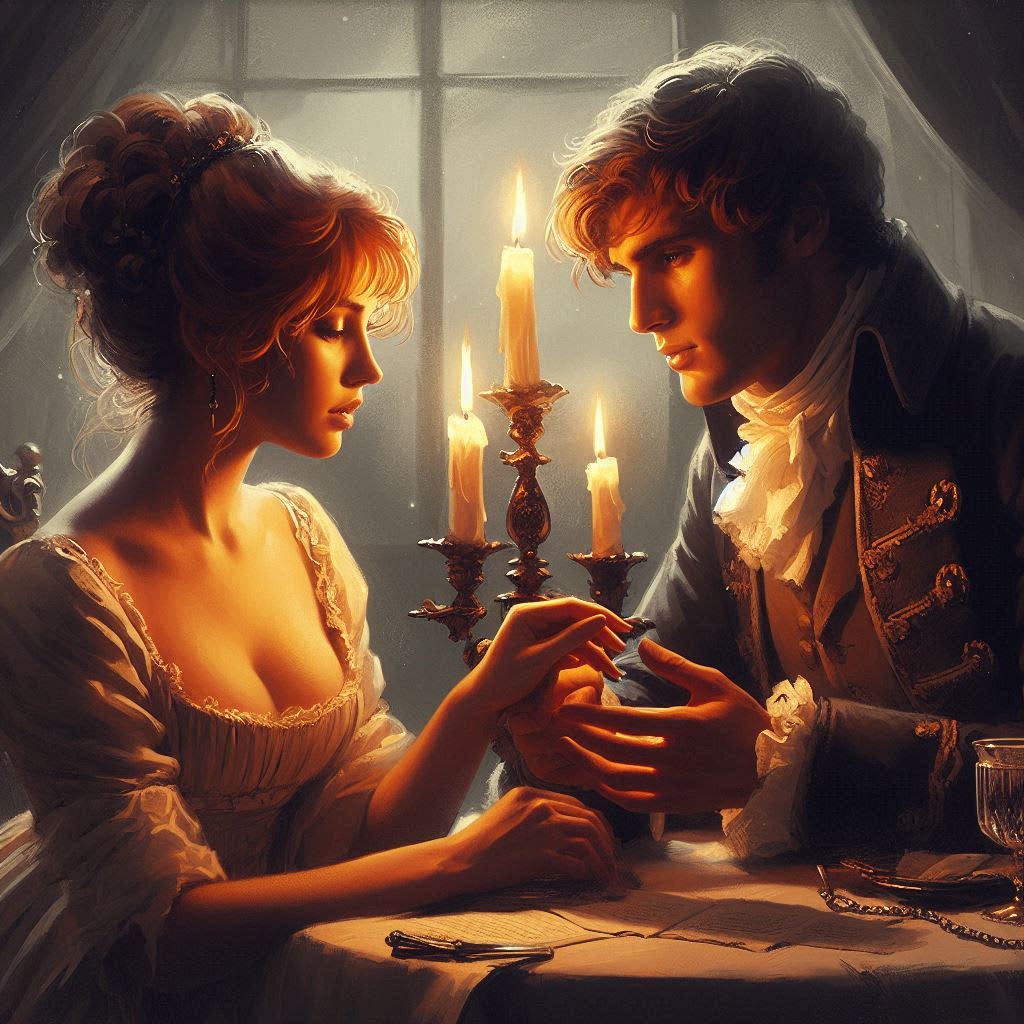
Beneath the Silk and Charm of Regency London
Julia Quinn’s The Viscount Who Loved Me transports readers once again to the glittering world of Regency-era London, a society dictated by propriety, lineage and subtle power plays. But beneath the elegant surface lies a rich exploration of trauma, duty and the fragile heart of a man burdened by expectations. In this historical romance, Anthony Bridgerton the eldest of the Bridgerton siblings sets out to find a suitable wife. Yet what unfolds is a deeply human story of fear, vulnerability and the kind of love that defies logic and society’s carefully drawn rules.
This article unpacks the historical context, character depth and emotional intricacies that make this second installment of the Bridgerton saga more than just a period romance.
Anthony Bridgerton: The Heir and His Haunted Heart
As the eldest son of the Bridgerton family, Anthony is more than a viscount; he is a man grappling with the trauma of sudden responsibility. The death of his father, Edmund Bridgerton, looms large in Anthony’s psyche. Losing his father at a young age instilled in him not only a profound sense of duty but also a fatalistic belief that he too would die young.
In Regency England, the weight of a title came with financial and familial expectations. The eldest son was responsible for maintaining the family’s estate, ensuring the well-being of younger siblings, and forging alliances through marriage. But Anthony's internal fears lead him to seek not a love match, but a "suitable" wife, someone he could admire, but not love. Love, in his mind, equates to vulnerability and vulnerability means pain.
This psychological nuance adds rare depth to the typical romance hero. Anthony is not a rake simply for sport; he is a man trying to control the uncontrollable: fate.
Kate Sheffield: The Woman Who Refuses to Yield
Enter “Kate Sheffield”, a woman who defies societal expectations in nearly every way. As the older sister of Edwina, the diamond of the season, Kate is not the one expected to attract attention. Financially insecure and socially overlooked, she possesses wit, a fiercely protective nature and a refusal to bow to rank or arrogance.
Her clashes with Anthony are electric not only because of their chemistry but because they are intellectual equals. Kate sees through Anthony’s polished facade to the frightened, grieving man beneath. Her presence challenges his notions of what a partner should be an emotional awakening that becomes impossible to ignore.
Historically, women like Kate, clever, opinionated, past their debut prime were often dismissed. Quinn reclaims this archetype, illustrating how strength, not subservience, is worthy of romantic triumph.
Regency Society: Love Within Limits
In the early 19th century, marriage was less about affection and more about strategic alliances. The ton (British high society) functioned like a matchmaking market where young women were appraised like assets. Dowries, titles and family names determine value.
Anthony’s desire for a strategic match is grounded in this reality. But Quinn shows how this system can backfire when genuine emotion enters the equation. His courtship of Edwina is derailed by his growing obsession with Kate, an outcome that reflects the unpredictable nature of love, even in a world designed to suppress it.
Through this tension, the novel critiques the transactional nature of courtship while celebrating the chaos and courage of romantic authenticity.
The Bee Sting Scene: Symbolism and Sensuality
One of the most pivotal scenes in the book—the infamous bee sting moment—goes beyond romantic tension. When Kate is stung by a bee and Anthony panics, believing she might die like his father, readers see the unraveling of his emotional control.
This moment is symbolic. The bee, small yet deadly in Anthony’s mind, becomes a metaphor for his fear of losing control and confronting mortality. His desperate reaction forces both characters and readers to see the vulnerability that Anthony hides beneath his stoic exterior.
What could have been a contrived romantic moment is instead used to peel back layers of character psychology, turning flirtation into catharsis.
Love as a Choice, Not a Guarantee
What distinguishes The Viscount Who Loved Me from many historical romances is its insistence that love is not fate—it is a “choice”, made repeatedly in the face of fear, pride and social expectation.
Anthony must choose to be vulnerable, to relinquish control, and to admit that his beliefs about love and mortality are flawed. Kate, in turn, must choose to believe that she is worthy of being seen, desired, and loved—not as a consolation prize, but as the prize.
This theme reflects the broader shift in Regency-era romances from mere escapism to emotional realism. Quinn doesn’t offer an easy love story; she offers one earned through growth.
Humor, Humanity and Healing
Quinn’s writing is peppered with humor, much of it arising from family dynamics. The Bridgestone are not a cold, duty-bound clan—they are messy, affectionate and meddlesome. This warmth contrasts the often rigid and formal tone of Regency society and provides emotional relief.
The presence of strong familial bonds—particularly the sisterhood between Kate and Edwina—adds another layer of authenticity. Their interactions show that love stories don’t happen in isolation; they are woven into communities and chosen families.
In many ways, “The Viscount Who Loved Me” is as much a story of “healing” as it is of romance. Anthony and Kate confront not only each other but also the ghosts of their pasts.
Conclusion: A Love That Rewrites the Rules
Julia Quinn’s second Bridgerton novel elevates the genre by blending emotional depth with historical precision. “The Viscount Who Loved Me” is not just about courtship rituals or ballroom drama—it’s a meditation on grief, identity and the courage it takes to let someone in.
In Regency London, where appearances reign and vulnerability is a liability, Anthony and Kate’s love is revolutionary. It redefines what a suitable match means—not just status and compatibility, but understanding, respect and mutual transformation.
Their story endures not because it follows tradition, but because it dares to break it.
About the Creator
Henry Lucy
Thanks for reading my story,I am the type that love's penning down words rather than speaking it out and I believe you will enjoy every bit of what I will pen down feel free to check out other stories because I love writing different topic
Keep reading
More stories from Henry Lucy and writers in History and other communities.
The Duke and I by Julia Quinn
Romance in the Age of Etiquette Julia Quinn’s The Duke and I is more than just the beginning of the globally celebrated Bridgerton series; it is a well-researched romantic tale deeply rooted in the social fabric of Regency England. Through the evolving relationship between Daphne Bridgerton and Simon Bassett, the Duke of Hastings, Quinn invites readers to explore an era where love and duty often clashed and where appearances held more power than truth.
By Henry Lucy9 months ago in History
The Fall of Croesus
The Fall of Croesus: Wealth, Pride, and the Wisdom of Time More than two and a half thousand years ago, in the ancient land of Lydia, there lived a king whose name became legendary throughout history. His name was Croesus, and he was known across the world as the richest man alive. Gold flowed through his kingdom like water. His palaces glittered with treasure, his vaults overflowed with coins, and traders from distant lands spoke of his wealth in awe. Even today, the phrase “rich as Croesus” is used to describe immense riches.
By The best writer a day ago in History




Comments
There are no comments for this story
Be the first to respond and start the conversation.