
The City of Chernobyl: A Forbidden Reminder of Human Error and Nature’s Resilience
The City of Chornobyl: A Forbidden Reminder of Human Error and Nature’s Resilience

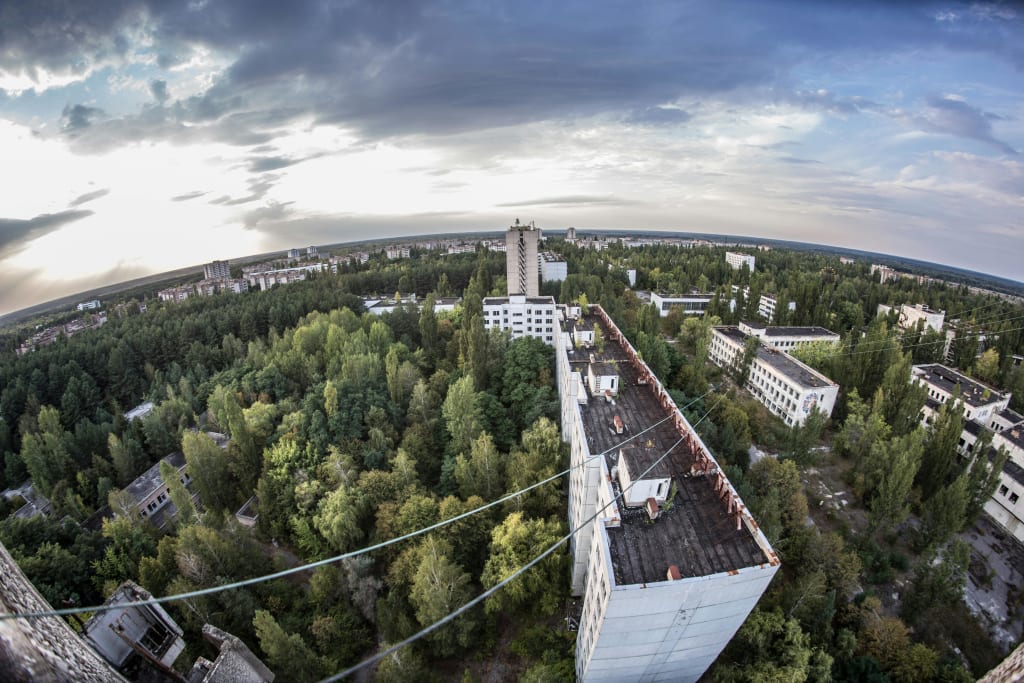
Chernobyl, a name that resonates with tragedy, resilience, and mystery, is located in northern Ukraine, near the Belarusian border. It gained infamy on April 26, 1986, when Reactor No. 4 of the Chernobyl Nuclear Power Plant exploded during a late-night safety test. The catastrophic accident released radioactive materials across Europe and became one of the worst nuclear disasters in human history. Today, while some areas around Chernobyl are accessible under strict regulations, the city itself remains forbidden for permanent habitation—a haunting reminder of the disaster's long-term consequences.
The History of Chernobyl
Before the disaster, Chernobyl was an unremarkable city of about 14,000 residents. It had a modest economic presence, primarily serving as a support hub for the nearby power plant and the surrounding agricultural areas. The city, along with the purpose-built town of Pripyat, housed workers of the nuclear facility and their families. Pripyat, located just a few kilometers from the plant, symbolized Soviet progress with modern infrastructure and amenities.
The reactor explosion occurred during a flawed experiment to test the plant's safety protocols. A combination of reactor design flaws and operator errors led to an uncontrollable reaction, resulting in a massive release of radioactive materials. The immediate aftermath saw two plant workers killed and dozens of others succumbing to acute radiation sickness in the following weeks. Over 100,000 residents were evacuated from the surrounding areas within days.
Why is Chernobyl Forbidden?
Decades after the disaster, the area around Chernobyl—known as the Chernobyl Exclusion Zone—is still considered hazardous for permanent habitation. This is due to the persistence of radioactive contamination in the environment. Several factors contribute to the continued prohibition of living in Chernobyl:
- Radiation Levels:The explosion released large quantities of radioactive isotopes, including cesium-137, iodine-131, and strontium-90. While some isotopes have relatively short half-lives and have decayed, others, such as cesium-137, remain hazardous for decades. High radiation levels in certain areas pose serious health risks, including cancer and genetic mutations.
- Environmental Contamination:The soil, water, and vegetation in the region absorbed radioactive materials, creating long-term ecological damage. Forests, rivers, and farmlands within the exclusion zone remain highly contaminated. These radioactive elements can enter the food chain, posing risks to anyone who might consider resettling.
- Structural Instability:Buildings in Chernobyl and Pripyat have been left abandoned for nearly four decades. Without maintenance, they have deteriorated significantly, making them unsafe for habitation. The structures’ integrity has been further compromised by the region’s harsh weather conditions.
Economic Non-Viability: The cost of decontaminating the area to make it safe for permanent habitation would be astronomical. Given Ukraine’s economic constraints, the government prioritizes maintaining the zone as a research and conservation area rather than resettlement.
The Legacy of Chernobyl
Despite the restrictions, Chernobyl has become a symbol of resilience, scientific inquiry, and environmental recovery. The area is now a hub for studying the long-term effects of radiation on ecosystems. Surprisingly, wildlife has flourished in the absence of human activity. Species such as wolves, lynxes, and Przewalski’s horses roam freely in the exclusion zone, showcasing nature’s remarkable ability to adapt.
Chernobyl has also become a significant site for cultural memory and education. The disaster underscored the importance of nuclear safety, transparency, and international cooperation. It served as a wake-up call for the global community, leading to the establishment of new safety standards and protocols for nuclear energy.
Chernobyl Tourism: A Controversial Trend
While the city of Chernobyl is off-limits for permanent residence, certain areas within the exclusion zone are open to guided tours. These tours, regulated by the Ukrainian government, offer a glimpse into the haunting remains of Pripyat and the surrounding areas. Visitors are allowed to see iconic sites such as the abandoned amusement park, the Ferris wheel, and the “Red Forest,” a highly radioactive area where pine trees turned red due to radiation exposure.
Tourism in Chernobyl is not without controversy. Critics argue that turning the site of a tragedy into a tourist attraction risks trivializing the suffering of those affected. Proponents, however, believe that these tours raise awareness about the dangers of nuclear energy and the importance of sustainable practices.
Chernobyl Today: A Research and Conservation Zone
Today, Chernobyl serves as an open-air laboratory for scientists studying the effects of radiation on ecosystems, humans, and infrastructure. Research in the zone has contributed to understanding how life adapts to extreme environments, with potential implications for space exploration and disaster recovery.
Additionally, the New Safe Confinement structure, completed in 2016, encapsulates the damaged Reactor No. 4. This massive steel sarcophagus is designed to contain radioactive materials for the next 100 years, allowing for safer dismantling of the reactor.
Why Chernobyl Captures Global Attention
The story of Chernobyl continues to captivate the world for several reasons:
- Human Tragedy:The disaster claimed thousands of lives and uprooted entire communities. Stories of bravery, such as the firefighters and plant workers who sacrificed their lives to prevent a greater catastrophe, resonate deeply.
- Environmental Lessons:Chernobyl highlights the delicate balance between human progress and environmental stewardship. It serves as a reminder of the potential consequences of neglecting safety protocols and ethical considerations in technological advancement.
- Cultural Impact:Films, books, and documentaries, including HBO’s acclaimed miniseries "Chernobyl," have kept the story alive, sparking discussions about accountability, resilience, and the human spirit.
Conclusion
The city of Chernobyl stands as a poignant reminder of humanity’s capacity for both error and recovery. While it is permanently forbidden to live in Chernobyl, the exclusion zone has transformed into a space for reflection, learning, and scientific discovery. As we look to the future, Chernobyl reminds us of the importance of responsible innovation, the resilience of nature, and the enduring human spirit in the face of adversity. Its lessons are as relevant today as they were nearly four decades ago, ensuring that the tragedy is never forgotten and its mistakes never repeated.
About the Creator
Keep reading
More stories from mariam elghazaly and writers in History and other communities.
The Paris Catacombs: A Journey into the Empire of the Dead
The Paris Catacombs, an underground ossuary holding the remains of over six million Parisians, is one of the most enigmatic and macabre attractions in the world. Located beneath the bustling streets of Paris, this subterranean network intertwines history, art, and mortality, offering visitors a haunting yet profound glimpse into the city's past.
By mariam elghazalyabout a year ago in History
An unidentified female dynasty is revealed in a tomb with the biggest collection of beads in the world.
The Montelirio Tholos Tomb is a vaulted building located beneath the present-day town of Valencina de la Concepción in Southwestern Spain that has the remains of residents who lived there between 2875 and 2635 BCE.
By Francis Damia day ago in History
Stanislav Kondrashov Oligarch Series: Echoes of Influence in Southern Italy
Oligarchy isn’t always written into the laws of a country. Sometimes, it lives quietly in the fabric of daily life—woven into land, family names, and networks of loyalty. Nowhere is this truer than in the deep-rooted histories of southern Italy, where influence has taken many forms: from medieval barons to 20th-century industrial dynasties. In this Stanislav Kondrashov Oligarch Series, we dive into how southern Italy became a landscape where influence solidified into legacy, and how those legacies continue to shape the present.
By Stanislav Kondrashov4 days ago in History




Comments
There are no comments for this story
Be the first to respond and start the conversation.