
The Tragic Story of the Titanic: Lessons from the World’s Most Famous Shipwreck
Discover the full story of the RMS Titanic, its construction, the tragic iceberg collision, the lives lost, and the lasting legacy of the Titanic disaster in maritime history. Learn about the Titanic's design, its impact on maritime safety reforms, and its cultural significance.
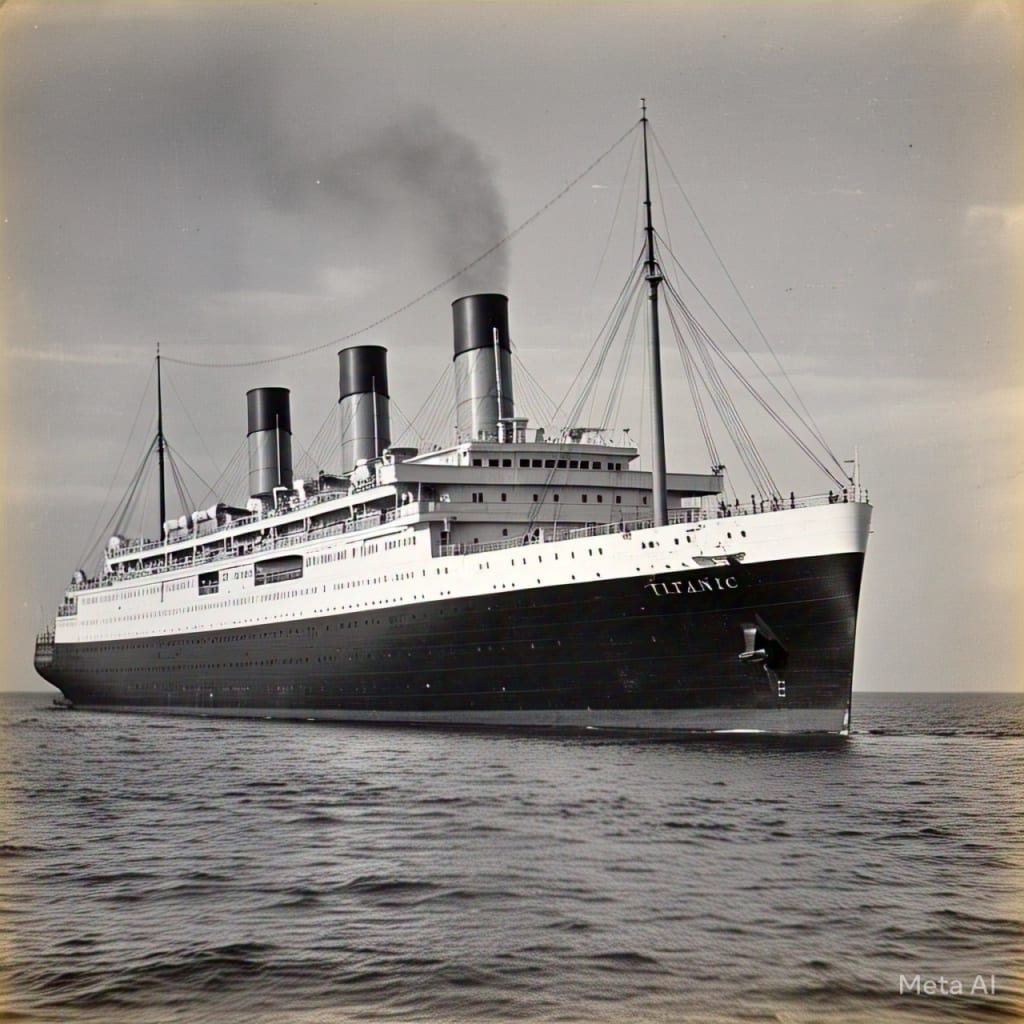
Introduction: The Unsinkable Ship
The RMS Titanic was one of the largest and most luxurious passenger ships ever built, designed to be “unsinkable.” Constructed by the Harland and Wolff shipyard in Belfast, Ireland, Titanic began its journey from Southampton, England, on April 10, 1912. Onboard were over 2,200 passengers and crew members, many of whom were prominent figures from around the world. The ship's luxury and grandeur made it a symbol of human achievement and technological progress. However, the Titanic’s tragic sinking due to an iceberg collision just four days into its maiden voyage left a deep scar on maritime history.
The Titanic disaster is one of the most talked-about tragedies, and it has shaped both the public’s view of ship travel and the world’s maritime safety practices. Despite its promise to be “unsinkable,” the ship was ill-prepared for the catastrophic events that followed.
---
The Maiden Voyage and Iceberg Collision
On the night of April 14, 1912, just four days into its maiden voyage, disaster struck. The Titanic was cruising through the North Atlantic, traveling at a high speed despite multiple iceberg warnings from other ships. At around 11:40 PM, the Titanic struck a massive iceberg on its starboard side. The collision caused the ship’s hull to breach in multiple compartments, flooding the vessel with water.
As the water flooded into the ship, it became clear that the Titanic’s design—despite being considered revolutionary—was not foolproof. The ship had a series of watertight compartments that were supposed to prevent it from sinking, but the iceberg caused a breach too large for these compartments to contain. This led to the tragic sinking of the ship, which took place over the course of several hours.
---
Why Did the Titanic Sink?
The Titanic’s sinking remains one of the most famous examples of human error, technological hubris, and nature’s unstoppable force. Despite being labeled “unsinkable,” the Titanic had a number of design flaws that contributed to its tragic demise. One of the key reasons was the lack of lifeboats. The Titanic carried enough lifeboats for only about half of its passengers, a decision based on outdated safety regulations and a misplaced confidence in the ship’s invincibility.
In addition to the inadequate lifeboats, the Titanic was traveling at a dangerously high speed through waters known to be filled with icebergs. The ship’s captain, Edward Smith, received multiple iceberg warnings but failed to slow the ship down in time. The combination of human oversight, faulty design, and the ship’s size all contributed to its catastrophic fate. ---
The Death Toll and the Impact of Titanic’s Legacy
The Titanic disaster resulted in the loss of over 1,500 lives, making it one of the deadliest maritime accidents in history. Among those who perished were some of the wealthiest people in the world, including John Jacob Astor IV and Isidor Straus. However, it was not just the rich who suffered; thousands of immigrants from Europe, many traveling in steerage class, also lost their lives.
The aftermath of the Titanic disaster sparked worldwide outrage and a call for change. The tragedy led to major reforms in maritime safety, most notably the establishment of the International Convention for the Safety of Life at Sea (SOLAS). This convention, enacted in 1914, required all ships to carry enough lifeboats for every person onboard and mandated improvements in communication protocols, such as continuous radio watch to ensure ships could call for help in emergencies.
---
Titanic's Cultural and Historical Significance
The Titanic tragedy has captured the public’s imagination for over a century. Its legacy extends far beyond the survivors and victims, affecting pop culture, literature, and even the development of modern maritime law. The discovery of the Titanic wreckage in 1985, over 70 years after its sinking, sparked a renewed interest in the ship’s history. Since then, the wreck has been the subject of numerous expeditions, documentaries, and films.
The 1997 film Titanic, directed by James Cameron, brought the ship’s story to a new generation, capturing the public’s fascination with the disaster and its legacy. The film went on to become one of the highest-grossing films of all time and won multiple Academy Awards. It immortalized the Titanic as not just a ship but as a symbol of human ambition, tragedy, and loss.
---
The Lasting Influence on Modern Maritime Safety
The Titanic disaster directly influenced the development of modern maritime safety protocols. As a result of the tragedy, ships were required to carry sufficient lifeboats for all passengers and crew. In addition to lifeboat regulations, the International Convention for the Safety of Life at Sea (SOLAS) was established to create comprehensive safety standards for all commercial vessels.
In the years following the Titanic tragedy, advancements in ship design, communication technology, and safety procedures were made. The incident highlighted the need for rigorous safety standards, which ultimately shaped the way ships are built and operated today. The Titanic’s legacy continues to influence maritime laws, reminding the world of the vital importance of preparedness, caution, and respect for nature.
---
Conclusion: The Titanic as a Cautionary Tale
The story of the Titanic is one of ambition, innovation, and tragedy. It serves as a reminder of the dangers of overconfidence and the importance of preparedness. Despite its technological advances, the Titanic’s story teaches us that no matter how advanced our creations may be, nature remains an unpredictable force that can never be fully controlled.
The Titanic disaster continues to shape how we approach maritime travel, technology, and safety. Its legacy lives on through historical research, documentaries, films, and educational programs designed to ensure that such a tragedy is never repeated. The Titanic is more than just a ship; it is a lesson in humility and a reminder of the fragility of life.
About the Creator
The Long Afterlife of Colonialism
Colonialism is often treated as a historical event—something that ended when flags were lowered and independence was declared. But what if colonialism never truly left? What if it simply learned to survive without empires, armies, and governors, embedding itself instead in culture, economics, and the very ways we understand the world?
By Rachid Zidine3 days ago in History
Lost in the Crowd
Lost in the Crowd The city never slept, or at least, that’s what Amran had begun to believe. Every evening, the streets came alive with the hum of traffic, the chatter of strangers, and the relentless neon glow of shop signs. But tonight felt different. Tonight, amidst the sea of people, he felt invisible.
By Samaan Ahmad2 days ago in History



Comments
There are no comments for this story
Be the first to respond and start the conversation.